
How to Set Up the Perfect Cat Litter Box (2026)
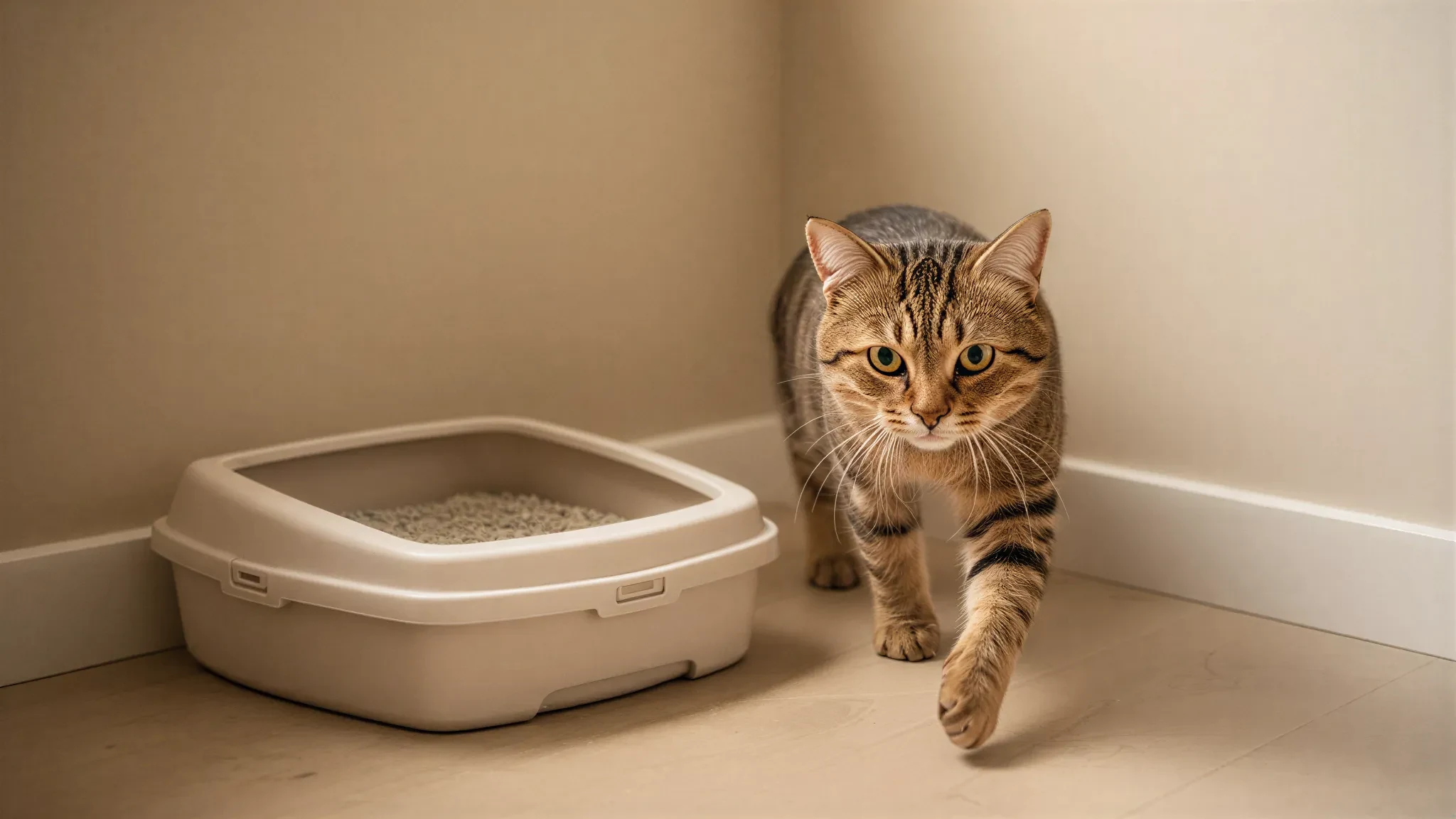
Proper litter box setup is essential for preventing litter box problems. Location, number of boxes, litter type, and maintenance all affect whether your cat uses the box consistently. Following established litter box rules prevents accidents and keeps your cat happy. This guide covers everything you need to know about litter box setup: how many boxes you need, where to place them, what litter to use, and how to maintain them properly.
The One-Plus-One Rule
The golden rule of litter boxes is one box per cat plus one extra. For one cat, provide two boxes. For two cats, provide three boxes. For three cats, provide four boxes. This prevents competition and ensures access even if one box is dirty.
Multiple boxes prevent resource guarding. In multi-cat households, one cat may guard the litter box and prevent others from using it. Multiple boxes in different locations eliminate this problem.
Place boxes in different locations throughout your home. Don’t line up all boxes side by side. Spread them out so cats have options. This is especially important in multi-level homes.
The one-plus-one rule applies even if your cats seem to get along. Cats are territorial and prefer having options. What looks like harmony to you may be stress for your cats.
Choosing the Right Location
Quiet and Private
Cats need privacy when using the litter box. Place boxes in quiet, low-traffic areas. Avoid locations near washing machines, dryers, or other noisy appliances that may startle cats.
Basements, spare bathrooms, and quiet corners work well. Cats feel secure when they can use the box without interruption. Privacy encourages consistent box use.
Don’t place boxes in areas where cats may feel trapped. Avoid dead-end locations where another cat could block the exit. Cats need escape routes when using the box.
Accessible and Convenient
Litter boxes should be easily accessible at all times. Don’t place boxes in closets that may be closed. Don’t put boxes behind doors that may be shut. Cats need 24/7 access.
For senior cats or kittens, place boxes on every level of your home. Stairs may be difficult for seniors and kittens. Easy access prevents accidents.
Avoid placing boxes near food and water stations. Cats don’t like to eliminate near where they eat. Separate feeding and elimination areas by several feet.
Avoid Problem Locations
Don’t place boxes in high-traffic areas. Busy hallways, family rooms, and entryways are too public. Cats prefer privacy for elimination.
Avoid placing boxes near loud appliances. Washing machines, dryers, and dishwashers can startle cats. Sudden noises create negative associations with the box.
Don’t place boxes in areas with strong odors. Laundry rooms with detergent smells or garages with chemical odors may deter cats. Cats have sensitive noses.
Choosing the Right Box
Size Matters
Litter boxes should be at least 1.5 times the length of your cat. Cats need room to turn around and dig comfortably. Boxes that are too small discourage use.
Large cats need large boxes. Storage tubs make excellent large litter boxes. Cut an entry on one side. This is inexpensive and provides ample space.
Kittens need smaller boxes initially. Low-sided boxes make entry easy. Transition to larger boxes as kittens grow.
Covered vs. Uncovered
Uncovered boxes are generally preferred by cats. They provide better ventilation and don’t trap odors. Cats can see their surroundings while using the box.
Covered boxes may be preferred by owners for odor and litter containment. However, some cats find them confining. If using covered boxes, ensure they’re large enough and well-ventilated.
Some cats prefer covered boxes for privacy. If your cat seems to prefer covered boxes, provide them. Individual preferences vary.
Top-entry boxes work well for some households. They reduce litter tracking and prevent dogs from accessing the box. However, some cats don’t like climbing in and out.
Easy to Clean
Choose boxes that are easy to clean. Smooth surfaces without crevices are best. Plastic boxes should be replaced yearly even with cleaning.
Avoid boxes with liners if your cat scratches them. Liners can tear and create messes. Many cats dislike the feeling of liners under their paws.
Consider boxes with high backs to reduce litter scatter. High-backed boxes contain litter better. This reduces cleanup around the box.
Litter Depth and Type
Proper Litter Depth
Fill boxes with 2-3 inches of litter. This provides enough depth for digging and covering. Too little litter discourages use. Too much is wasteful.
Some cats prefer deeper litter. Observe your cat’s preferences. Adjust depth based on individual preferences.
Kittens need less litter initially. One inch is sufficient for small kittens. Increase depth as they grow.
Litter Type Considerations
Most cats prefer fine-grained, unscented clumping litter. This mimics natural sand texture. Avoid heavily scented litters that may deter cats.
Unscented litter is generally better than scented. Cats have sensitive noses. Fragrances that smell pleasant to humans may be overwhelming to cats.
If transitioning litter types, do so gradually. Mix increasing amounts of new litter with decreasing amounts of old over 7-10 days. Sudden changes can cause box avoidance.
Maintenance and Cleaning
Daily Scooping
Scoop litter boxes at least once daily, preferably twice. Cats prefer clean boxes. Dirty boxes are a leading cause of litter box avoidance.
Remove both solid waste and urine clumps. Leaving clumps makes the box less appealing. Cats may avoid boxes with accumulated waste.
Dispose of waste in sealed bags. This controls odor and prevents pests. Don’t flush clumping litter even if labeled flushable.
Complete Litter Changes
Change litter completely and wash boxes regularly. Clumping litter: every 2-4 weeks. Non-clumping: weekly. Crystal litter: when color indicator shows saturation.
Wash boxes with mild soap and water. Avoid harsh chemicals that leave residues. Cats may avoid boxes that smell like chemicals.
Replace plastic boxes yearly. Plastic absorbs odors and develops scratches that harbor bacteria. New boxes are more appealing to cats.
Odor Control
Good ventilation reduces odors. Place boxes in well-ventilated areas. Avoid enclosed spaces without air circulation.
Baking soda can help control odors. Sprinkle a thin layer under the litter. Avoid scented deodorizers that may deter cats.
Air purifiers near litter boxes reduce airborne odors. HEPA filters capture fine particles. This is especially helpful in small spaces.
Multi-Cat Household Considerations
Preventing Resource Guarding
Spread boxes throughout your home. Don’t place all boxes in one location. This prevents one cat from guarding all boxes.
Provide boxes on every level of multi-story homes. Cats shouldn’t have to navigate stairs past other cats to access boxes.
Watch for signs of resource guarding. One cat waiting by the box, chasing others away, or blocking access indicates problems. Add more boxes in different locations.
Reducing Stress
Use pheromone diffusers near litter boxes. Feliway and similar products reduce stress. This is especially helpful in multi-cat households.
Provide hiding spots near boxes. Cats feel vulnerable when using the box. Nearby hiding spots provide security.
Maintain consistent cleaning schedules. Predictable routines reduce stress. Cats know when to expect clean boxes.
Troubleshooting Common Problems
Box Avoidance
If your cat avoids the box, first rule out medical issues. Urinary problems, kidney disease, and other conditions cause box avoidance. See your vet if avoidance is sudden.
Check box cleanliness. Dirty boxes are the most common cause of avoidance. Increase scooping frequency.
Consider litter preferences. Your cat may dislike the current litter. Try different types to find what your cat prefers.
Inappropriate Elimination
Inappropriate elimination outside the box has many causes. Medical issues, stress, litter preferences, and box location all contribute. Systematic troubleshooting identifies the cause.
Clean soiled areas thoroughly with enzymatic cleaners. Regular cleaners don’t remove urine scent completely. Cats return to areas that smell like urine.
Don’t punish inappropriate elimination. Punishment increases stress and worsens the problem. Address the underlying cause instead.
Frequently Asked Questions
How many litter boxes do I need?
One box per cat plus one extra. For one cat, two boxes. For two cats, three boxes. This prevents competition and ensures access.
Where should I place litter boxes?
In quiet, private, low-traffic areas. Avoid noisy appliances and high-traffic areas. Provide easy access and escape routes.
How often should I scoop?
At least once daily, preferably twice. Cats prefer clean boxes. Dirty boxes lead to avoidance.
What litter is best?
Most cats prefer fine-grained, unscented clumping litter. However, individual preferences vary. Watch your cat’s behavior to determine preferences.
Should I use covered or uncovered boxes?
Uncovered boxes are generally preferred by cats. They provide better ventilation and don’t trap odors. Some cats prefer covered boxes for privacy.
How deep should the litter be?
2-3 inches is ideal for most cats. This provides enough depth for digging and covering. Adjust based on individual preferences.
My cat suddenly stopped using the box. What should I do?
First, see your vet to rule out medical issues. Then check box cleanliness, location, and litter type. Systematic troubleshooting identifies the cause.
Want more cat care guidance? Read our Best Cat Litter for product recommendations or explore Why Is My Cat Not Using the Litter Box for troubleshooting.