
How Much Should I Feed My Cat? Portions by Age & Weight
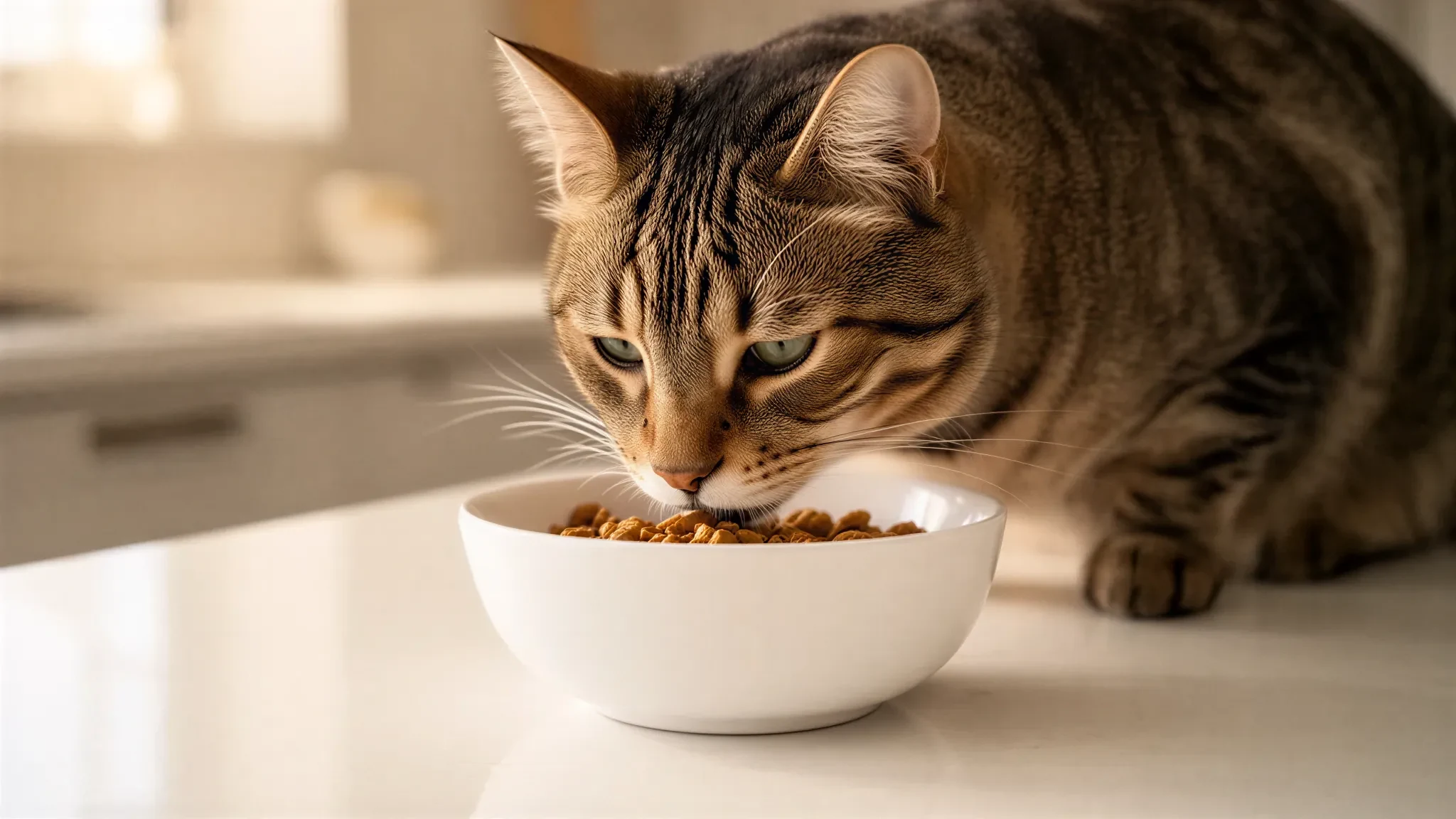
Feeding your cat the right amount is one of the most important things you can do for their health. Most adult cats need 20-33 calories per pound of body weight per day, which translates to roughly one-third to one-half cup of dry food or one 3-ounce can of wet food twice daily for a 10-pound cat. Kittens need 2-3 times more calories per pound than adults. Exact portions depend on age, activity level, and whether you use dry, wet, or mixed feeding. This guide provides specific feeding recommendations by age and weight, plus signs you’re feeding too much or too little.
This article contains affiliate links. If you buy through them we may earn a commission at no extra cost to you. We only recommend products we’d use for our own cats, and ratings are pulled from real Amazon reviews.
Why Proper Feeding Matters for Cats
Feeding the right amount directly impacts your cat’s health and longevity. Overweight cats face increased risks of diabetes, arthritis, heart disease, and reduced lifespan. Underweight cats may have nutrient deficiencies, weakened immune systems, and underlying health problems. Finding the right balance keeps your cat healthy throughout their life.
Cats have different nutritional needs at different life stages. Kittens need more calories and protein for growth. Adult cats need maintenance nutrition to support their activity level. Senior cats may need fewer calories but more of certain nutrients. Adjusting portions as your cat ages prevents weight-related health problems.
The type of food you choose affects how much you should feed. Dry food is more calorie-dense than wet food. A cup of dry food contains roughly 300-400 calories while a cup of wet food contains only 150-250 calories. Mixing dry and wet requires calculating calories from both sources.
Your cat’s individual metabolism affects how much they need. Some cats maintain weight on less food while others gain easily. Regular weigh-ins and body condition scoring help you adjust portions for your individual cat.
Feeding Guidelines by Age
Kittens (2-6 Months)
Kittens need significantly more calories than adult cats because they’re growing rapidly. At 2-6 months, kittens need about 250-300 calories per day, divided into 3-4 meals. This translates to roughly two-thirds to one cup of kitten food daily.
Kitten food is formulated with higher protein and fat content to support growth. Never feed adult cat food to kittens because they won’t get adequate nutrition for proper development. Look for food labeled “complete and balanced for growth” or “for kittens.”
Free-feeding works well for young kittens because they self-regulate well at this age. Leave food available throughout the day and monitor that they’re eating regularly. As kittens approach 6 months, transition to scheduled meals to prevent overeating.
Watch for signs your kitten is getting enough food. They should be gaining weight steadily, have good energy levels, and produce normal stools. Rapid weight gain or loss warrants veterinary attention.
Juniors (6 Months-2 Years)
Cats from 6 months to 2 years are still growing but at a slower rate. They need about 200-250 calories per day, divided into 2-3 meals. This translates to roughly two-thirds to one cup of food daily.
Transition from kitten food to adult food gradually around 12 months of age. Mix increasing amounts of adult food with decreasing amounts of kitten food over 7-10 days. Some large breeds like Maine Coons benefit from staying on kitten food longer.
This is when many cats establish their adult weight. Monitor body condition and adjust portions to maintain ideal weight. Cats who become overweight as juveniles often struggle with weight throughout life.
Active young cats may need more calories than sedentary ones. Adjust portions based on your cat’s activity level and body condition. Regular play sessions help maintain healthy weight during this life stage.
Adults (2-7 Years)
Adult cats need about 20-33 calories per pound of body weight per day. A 10-pound adult cat needs roughly 200-330 calories daily, typically divided into 2 meals. This translates to about half to three-quarters of a cup of dry food or one 3-ounce can of wet food twice daily.
Indoor adult cats typically need fewer calories than outdoor cats because they’re less active. Most indoor cats do well on the lower end of the calorie range. Outdoor cats who hunt and roam need more calories to support their activity.
Maintain consistent feeding schedules for adult cats. Twice-daily meals work well for most households. Some cats do well with free-choice dry food combined with scheduled wet food meals.
Monitor your adult cat’s weight regularly. Weigh your cat monthly and adjust portions if you notice changes. Even small weight gains add up over time and become harder to reverse.
Seniors (7+ Years)
Senior cats may need fewer calories due to decreased activity. They typically need about 180-280 calories per day for a 10-pound cat. However, some seniors need more calories if they have difficulty absorbing nutrients.
Senior cat food is formulated with adjusted protein and phosphorus levels for aging kidneys. Look for food labeled “for senior cats” or “7+ years.” Some seniors do better with smaller, more frequent meals.
Watch for weight changes in senior cats. Unexplained weight loss can signal kidney disease, hyperthyroidism, or dental problems. Weight gain may indicate reduced mobility or metabolic changes. Regular veterinary checkups help catch age-related issues early.
Some seniors benefit from wet food because it’s easier to chew and provides hydration. Cats with dental disease may struggle with dry kibble. Soaking dry food or switching to wet helps seniors with dental issues eat comfortably.
Feeding Guidelines by Weight
Small Cats (5-8 Pounds)
Small cats need proportionally fewer calories than larger cats. A 5-pound cat needs about 125-165 calories daily. An 8-pound cat needs about 200-265 calories daily. This translates to roughly one-third to two-thirds of a cup of dry food.
Small cats may do better with multiple small meals throughout the day. Their smaller stomachs can’t hold as much food at once. Consider puzzle feeders that dispense small amounts over time.
Monitor small cats carefully for weight changes. Small weight fluctuations represent larger percentage changes than in bigger cats. A half-pound gain on a 6-pound cat is significant.
Average Cats (9-12 Pounds)
Average-sized cats are the reference point for most feeding guidelines. A 10-pound cat needs about 200-330 calories daily. This translates to roughly half to three-quarters of a cup of dry food or two 3-ounce cans of wet food.
Most commercial cat foods provide feeding guidelines on the package for this weight range. Use these as starting points and adjust based on your individual cat’s needs. Package guidelines often overestimate because they’re designed to ensure all cats get enough.
Average cats typically do well with twice-daily feeding. Morning and evening meals align with their natural hunting instincts. Some cats prefer three smaller meals if their owners are home during the day.
Large Cats (13-18+ Pounds)
Large cats need more calories but not proportionally more. A 15-pound cat needs about 300-495 calories daily. An 18-pound Maine Coon may need 360-595 calories daily. This translates to roughly three-quarters to one and a half cups of dry food.
Large breed cats are prone to obesity because their frames can hide weight gain. Regular weigh-ins and body condition scoring are essential. Don’t rely on appearance alone to assess weight.
Some large cats benefit from large breed formulas designed for their specific needs. These foods often have adjusted calorie density and joint-supporting nutrients.
Dry Food vs. Wet Food
Dry Food Benefits and Portions
Dry food is convenient, cost-effective, and can be left out for free-feeding. It helps reduce tartar buildup through mechanical action. A cup of dry food typically contains 300-400 calories depending on the brand.
Portions for dry food are smaller because it’s calorie-dense. A 10-pound cat needs roughly half to three-quarters of a cup daily. Use a measuring cup for accuracy because eyeballing leads to overfeeding.
Dry food works well for multi-cat households where cats can free-feed. However, this makes it harder to monitor individual intake. Consider microchip feeders for households with cats needing different portions.
Wet Food Benefits and Portions
Wet food provides hydration, which supports urinary and kidney health. It’s typically higher in protein and lower in carbohydrates than dry food. A 3-ounce can contains roughly 70-100 calories.
Portions for wet food are larger by volume but similar in calories. A 10-pound cat needs roughly two 3-ounce cans daily. Some cats do well with one can morning and evening.
Wet food is ideal for cats with urinary issues, kidney disease, or diabetes. The higher moisture content supports these conditions. It’s also easier for seniors with dental issues to chew.
Mixed Feeding
Many owners combine dry and wet food to get benefits of both. Calculate calories from each source to avoid overfeeding. For example, a 10-pound cat could get one 3-ounce can (80 calories) plus one-quarter cup of dry food (100 calories) twice daily.
Mixed feeding works well for cats who enjoy variety. It also ensures adequate hydration while providing the convenience of dry food. Adjust portions of each type to maintain ideal weight.
Some cats prefer wet food in the morning and dry food in the evening. Others prefer the opposite. Work with your cat’s preferences while meeting their nutritional needs.
Automatic Feeders for Portion Control
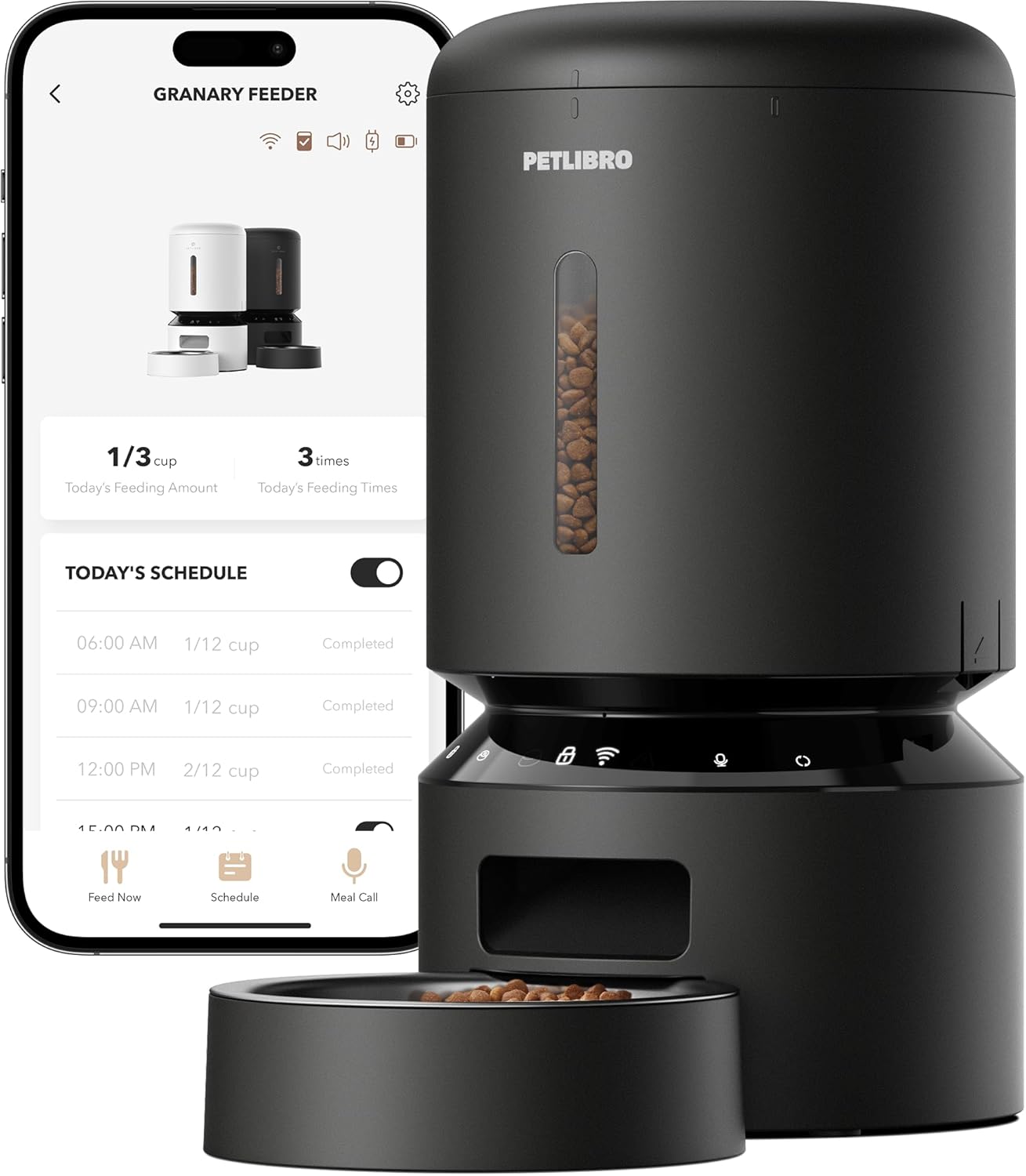
Measuring every meal by hand is where good intentions slip. A programmable feeder dispenses exact portions on a schedule, which is the single easiest way to prevent the slow creep toward overfeeding — especially for multi-cat homes, busy schedules, or cats on a diet.
🥇 Best Automatic Feeder
PETLIBRO Automatic Cat Feeder
A WiFi feeder with a 5L hopper and a freshness-sealing design that dispenses precise portions up to several times a day. Set it once and your cat gets consistent, measured meals whether you're home or not — the reliable way to hold a healthy weight.
- WiFi + app
- 5L capacity
- Portion control
Amazon: 4.3/5 from 8,203 reviews. Pair it with a scheduled vet-recommended daily amount.
Signs You’re Feeding Too Much
Weight gain is the most obvious sign of overfeeding. Your cat should have a visible waist when viewed from above and you should be able to feel their ribs with light pressure. If you can’t feel ribs without pressing hard, your cat is overweight.
Lethargy and decreased activity can signal your cat is carrying excess weight. Overweight cats often move less because it’s uncomfortable. They may stop jumping on furniture they previously accessed easily.
Difficulty grooming is a sign of obesity. Overweight cats can’t reach all areas of their body. You may notice greasy fur along the back or mats in areas they can’t reach.
Increased thirst and urination can signal diabetes from chronic overfeeding. These symptoms warrant immediate veterinary attention. Early diabetes management improves outcomes.
Signs You’re Feeding Too Little
Weight loss is the most obvious sign of underfeeding. Your cat’s ribs, spine, and hip bones become prominent. Severe weight loss creates a bony, emaciated appearance.
Increased hunger and food-seeking behavior signal your cat isn’t getting enough. They may meow constantly around meal times, follow you to the kitchen, or scavenge for food.
Lethargy from underfeeding differs from obesity-related lethargy. Underfed cats lack energy because they don’t have adequate calories. They may sleep more and show less interest in play.
Poor coat quality can indicate nutritional deficiency. The coat may look dull, dry, or brittle. Severe deficiency causes hair loss and skin problems.
Frequently Asked Questions
How often should I feed my cat?
Most adult cats do well with twice-daily feeding. Kittens need 3-4 meals daily. Seniors may benefit from smaller, more frequent meals. Work with your schedule while meeting your cat’s needs.
Should I free-feed my cat?
Free-feeding works for some cats but leads to obesity in others. Cats who self-regulate well can free-feed. Cats who overeat need scheduled meals. Monitor weight regardless of feeding method.
Can I feed my cat human food?
Some human foods are safe for cats in small amounts. Many are toxic including onions, garlic, chocolate, and grapes. Stick to cat food formulated for their nutritional needs.
How do I switch my cat’s food?
Transition gradually over 7-10 days. Mix increasing amounts of new food with decreasing amounts of old food. Sudden changes cause digestive upset.
My cat won’t eat their food. What should I do?
Temporary appetite loss can be normal. If your cat skips more than two meals or shows other symptoms, see your vet. Cats who don’t eat for 24+ hours risk liver problems.
Should I use a feeding schedule or free-feed?
Scheduled feeding helps monitor intake and prevents obesity. Free-feeding works for cats who self-regulate. Choose based on your cat’s eating style and your ability to monitor weight.
How do I know if my cat is at ideal weight?
You should be able to feel your cat’s ribs with light pressure and see a waist when viewed from above. Your vet can assess body condition score during exams.
Want more cat care guidance? Read our Cat Dental Care Guide or explore Best Cat Toys for enrichment ideas.