
The Complete New Kitten Checklist: Everything You Need (2026)
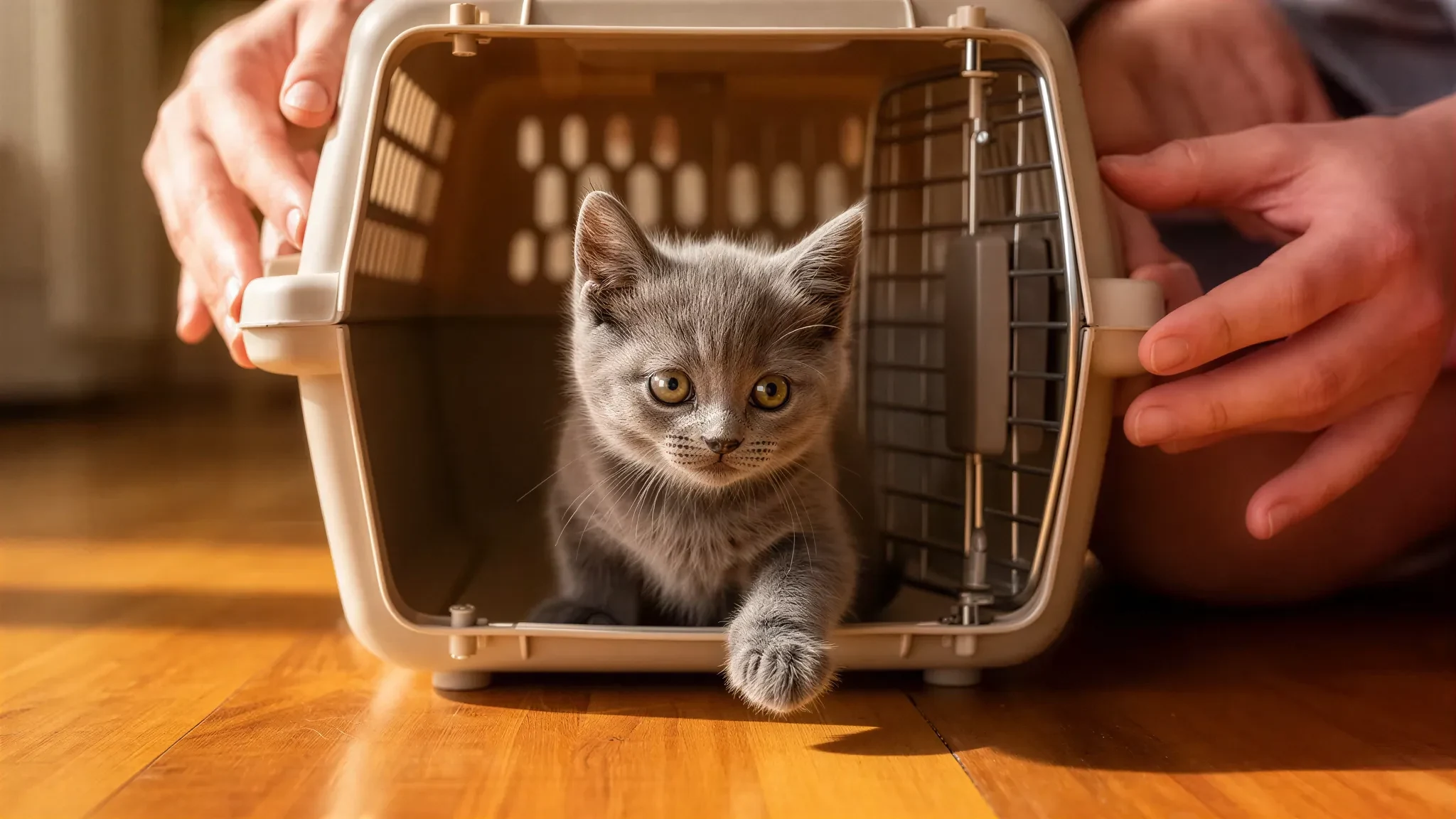
Bringing home a new kitten is exciting but requires preparation. Having the right supplies and knowledge beforehand sets you both up for success. This complete checklist covers everything you need for your new kitten: essential supplies, vet care schedule, vaccination timeline, kitten-proofing tips, and first-week care. Use this guide to prepare your home and ensure your kitten’s smooth transition.
Essential Supplies Checklist
Food and Water
Kitten food: Choose high-quality kitten-formulated food. Kittens need more protein and calories than adult cats. Look for food labeled “complete and balanced for growth” or “for kittens.” Wet food provides hydration while dry food is convenient. Many owners feed a combination of both.
Food bowls: Choose stainless steel or ceramic bowls. Plastic bowls harbor bacteria and may cause chin acne. Provide separate bowls for food and water. Shallow bowls are easier for kittens to access.
Water bowls or fountain: Fresh water should always be available. Many cats prefer running water, so consider a fountain to encourage hydration. Place water bowls away from food bowls, as cats prefer separate locations.
Litter Box Setup
Litter box: Start with a small, low-sided box that’s easy for kittens to enter. As your kitten grows, you can transition to a larger box. The general rule is one box per cat plus one extra.
Kitten-safe litter: Choose unscented, clumping litter. Avoid crystal or clay litters that kittens might ingest. Unscented litter is less likely to deter kittens from using the box.
Litter scoop: Get a sturdy scoop for daily cleaning. Metal scoops are more durable than plastic. Clean the box at least once daily.
Litter mat: Place a mat outside the box to catch tracked litter. This keeps your floors cleaner and makes cleanup easier.
Comfort and Safety
Carrier: Choose a sturdy, well-ventilated carrier for vet visits and travel. Hard-sided carriers are more protective. Soft-sided carriers are lighter for travel. Make the carrier comfortable with a soft blanket.
Bed: Provide a soft, warm bed in a quiet location. Kittens sleep 16-20 hours daily and need comfortable resting spots. Heated beds or beds with raised edges provide extra comfort.
Blankets: Have several soft blankets available. Kittens like to burrow and nest. Wash blankets regularly to maintain hygiene.
Scratching posts: Provide at least one scratching post. Kittens need to scratch to maintain claw health and mark territory. Choose sturdy posts that won’t tip over. Sisal rope is durable and appealing to cats.
Toys and Enrichment
Interactive toys: Wand toys, laser pointers, and feather toys provide interactive play. Kittens need 20-30 minutes of interactive play daily. Interactive toys strengthen your bond and provide exercise.
Solo toys: Small balls, mice, and crinkle toys provide solo entertainment. Rotate toys regularly to maintain interest. Avoid toys with small parts that could be swallowed.
Cat tree: Provide a cat tree with multiple levels for climbing and perching. Kittens love to climb and explore. Choose a sturdy tree that won’t tip over.
Puzzle feeders: Puzzle feeders provide mental stimulation and slow down eating. They’re excellent for preventing boredom and obesity.
Grooming Supplies
Brush: Choose a soft bristle brush or grooming mitt for kittens. Brush once weekly to get your kitten accustomed to grooming. Increase frequency as your kitten’s coat develops.
Nail clippers: Get cat-specific nail clippers. Human clippers can split cat nails. Trim nails every 2-3 weeks starting when your kitten is young.
Toothbrush and toothpaste: Start dental care early with cat-specific toothpaste. Never use human toothpaste. Brush teeth regularly to prevent dental disease.
Cat shampoo: Have cat-specific shampoo on hand for occasional baths. Most kittens don’t need regular baths, but it’s good to be prepared.
Kitten-Proofing Your Home
Remove Hazards
Toxic plants: Remove or secure toxic plants including lilies, poinsettias, philodendron, and pothos. Many common houseplants are toxic to cats. Check the ASPCA’s toxic plant list.
Secure cords: Secure electrical cords and cables. Kittens chew on cords, which can cause electrocution. Use cord covers or bitter sprays to deter chewing.
Store chemicals safely: Store cleaning products, medications, and pesticides in locked cabinets. Kittens explore everything and can access surprisingly high places.
Remove small objects: Pick up small objects that could be swallowed. Rubber bands, hair ties, buttons, and strings are choking hazards.
Create Safe Spaces
Designate a kitten room: Set up a safe room with all essentials for the first few days. This room should be quiet and low-traffic. Include food, water, litter box, bed, toys, and hiding spots.
Provide hiding spots: Boxes, tunnels, and covered beds provide security. Kittens feel safe when they can hide. Respect hiding time as part of adjustment.
Secure windows and balconies: Install window screens and secure balcony railings. Cats can fall from significant heights. Never leave kittens unsupervised on balconies.
Block off unsafe areas: Use baby gates to block stairs or rooms with hazards. Kittens can squeeze through surprisingly small spaces.
Vet Care Schedule
First Vet Visit (Within First Week)
Schedule a wellness visit within the first week of bringing your kitten home. This visit establishes care and identifies any health issues. Bring any records from shelter or breeder.
The vet will perform a complete physical examination, check for parasites, and discuss vaccination schedules. This visit establishes baseline health information.
Vaccination Timeline
6-8 weeks: First FVRCP vaccine. This begins the vaccination series. Fecal examination and deworming.
10-12 weeks: Second FVRCP vaccine. First FeLV vaccine if recommended. Booster deworming.
14-16 weeks: Third FVRCP vaccine. Second FeLV vaccine if started earlier. Rabies vaccine.
12 months: Adult boosters for FVRCP, rabies, and FeLV if needed.
Parasite Prevention
Flea prevention: Start flea prevention as recommended by your vet. Year-round prevention is recommended. Treat all pets in the household simultaneously.
Heartworm prevention: Discuss heartworm prevention with your vet. Indoor cats have lower risk but prevention is still recommended.
Deworming: Kittens commonly have intestinal parasites. Multiple deworming doses are needed to eliminate all parasites.
Spay/Neuter
Schedule spay/neuter between 4-6 months of age. Some vets perform the procedure as early as 8 weeks for healthy kittens. Early spay/neuter prevents unwanted litters and provides health benefits.
First Week Care
Days 1-3: Adjustment Period
Keep your kitten in their safe room for the first three days. This allows adjustment without overwhelm. Spend quiet time in the room several times daily. Let your kitten approach you on their terms.
Maintain consistent feeding schedules. Feed at the same times daily. Cats thrive on routine. Watch for signs of adjustment. Eating, drinking, and using the litter box normally indicate progress.
Days 4-7: Gradual Exploration
Begin allowing supervised exploration outside the safe room. Open the door and let your kitten venture out at their own pace. Watch for signs of stress during exploration.
Continue spending time in the safe room. Your kitten still needs this secure base. Introduce family members one at a time if not already done.
Feeding Your Kitten
How Much to Feed
Kittens need more calories than adult cats. Follow feeding guidelines on food packaging. Adjust based on your kitten’s body condition and activity level.
2-6 months: Feed 3-4 small meals daily. Kittens need frequent meals due to their small stomachs.
6-12 months: Gradually reduce to 2-3 meals daily. Monitor weight and adjust portions accordingly.
Transitioning Food
If changing food, transition gradually over 7-10 days. Mix increasing amounts of new food with decreasing amounts of old food. Sudden changes cause digestive upset.
Socialization and Training
Handling and Touch
Get your kitten accustomed to handling early. Touch paws, ears, and mouth gently. This prepares your kitten for grooming and vet visits. Reward with treats and praise.
Litter Box Training
Most kittens come litter trained from their mothers. Place your kitten in the litter box after meals and naps. Praise when they use the box correctly. Never punish accidents.
Play and Boundaries
Teach your kitten appropriate play. Use toys, not hands, for play. This prevents biting and scratching habits. Redirect inappropriate behavior to appropriate toys.
Frequently Asked Questions
What should I feed my kitten?
Choose high-quality kitten-formulated food. Kittens need more protein and calories than adult cats. Look for food labeled “complete and balanced for growth.” Feed 3-4 small meals daily until 6 months.
When should I take my kitten to the vet?
Schedule a wellness visit within the first week. Then follow the vaccination schedule at 6-8 weeks, 10-12 weeks, and 14-16 weeks. Annual checkups continue throughout adulthood.
How do I kitten-proof my home?
Remove toxic plants, secure cords, store chemicals safely, and remove small objects. Create safe spaces with hiding spots. Secure windows and balconies. Block off unsafe areas with baby gates.
When should I spay or neuter my kitten?
Schedule spay/neuter between 4-6 months of age. Some vets perform the procedure as early as 8 weeks for healthy kittens. Early spay/neuter prevents unwanted litters and provides health benefits.
How much should I play with my kitten?
Plan for 20-30 minutes of interactive play daily. Kittens have bursts of energy followed by naps. Match your play schedule to your kitten’s natural rhythm.
When will my kitten be litter trained?
Most kittens come litter trained from their mothers. Place your kitten in the litter box after meals and naps. Praise when they use the box correctly. Accidents are normal during adjustment.
How do I introduce my kitten to other pets?
Introduce slowly and carefully. Keep initial interactions brief and positive. Use baby gates for visual introduction before physical contact. Watch for stress signals.
Want more kitten care guidance? Read our Bringing Home a New Cat guide or explore Kitten Vaccination Schedule for health information.