
Cat Grooming 101: Everything You Need to Know (2026)
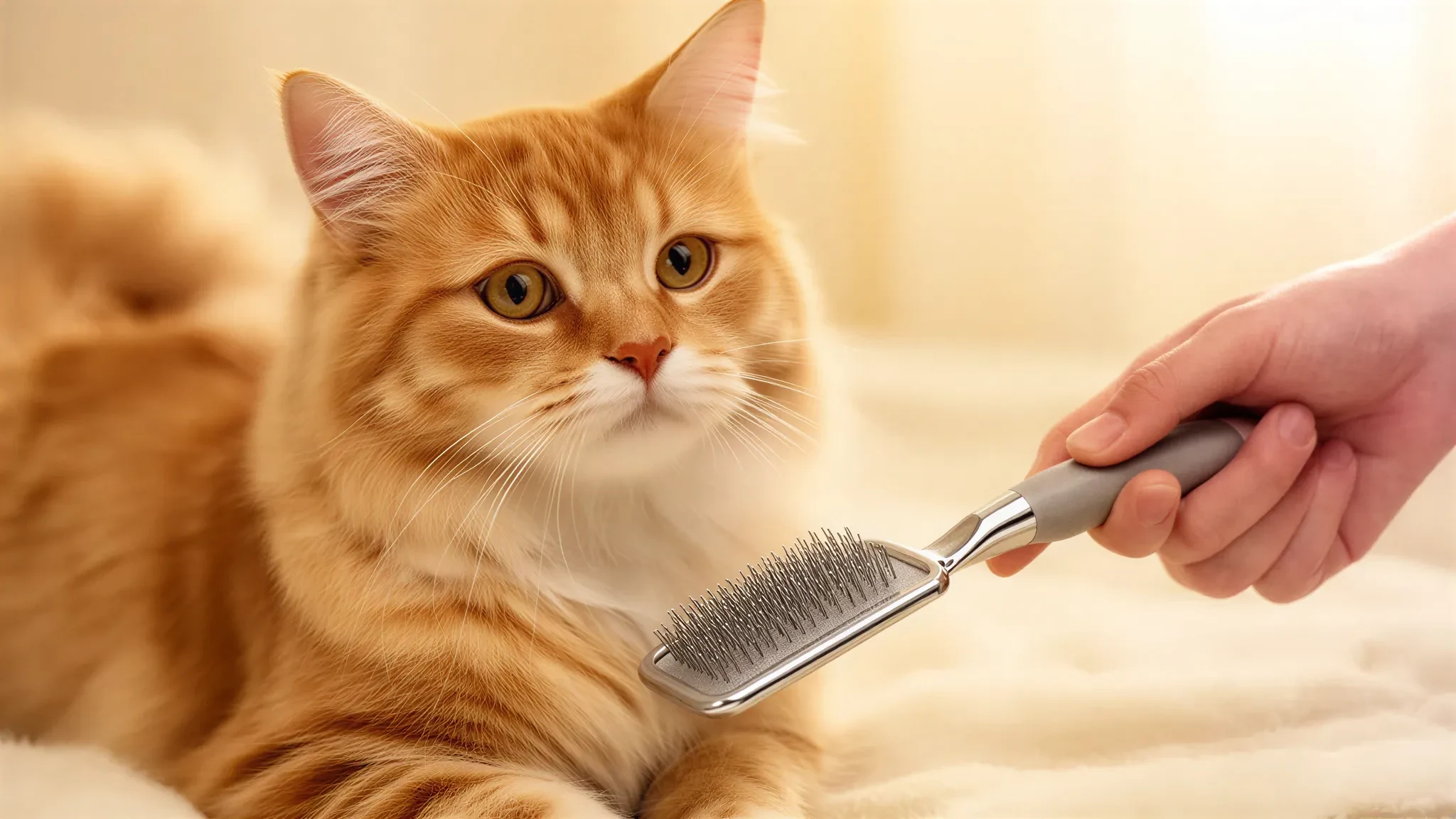
Cat grooming is essential for your feline’s health and comfort, but many owners aren’t sure where to start. Regular grooming prevents mats, reduces shedding, catches health problems early, and strengthens your bond with your cat. Different coat types require different grooming approaches. This complete guide covers everything you need to know about cat grooming: brushing techniques, bathing guidelines, nail trimming, ear cleaning, and when professional grooming makes sense.
Why Grooming Matters for Cats
Grooming does far more than keep your cat looking good. Regular brushing removes loose hair before your cat ingests it during self-grooming, reducing hairballs. It distributes natural skin oils throughout the coat, keeping fur healthy and shiny. Brushing also stimulates blood flow to the skin, promoting overall skin health.
Grooming sessions provide opportunities to check for health problems. You’ll notice lumps, bumps, skin irritations, fleas, or ticks during brushing. Early detection of skin problems, wounds, or parasites leads to easier treatment. Many serious conditions are first noticed during routine grooming.
Cats who are groomed regularly become accustomed to handling. This makes vet visits less stressful because they’re used to being touched and examined. Grooming also provides valuable bonding time between you and your cat.
Different coat types require different grooming approaches. Long-haired cats need daily brushing to prevent mats. Short-haired cats need weekly brushing to manage shedding. Hairless cats need regular bathing to remove oil buildup. Understanding your cat’s coat type helps you establish the right grooming routine.
Brushing Your Cat
Choosing the Right Brush
The right brush depends on your cat’s coat type. Short-haired cats do well with rubber grooming mitts or soft bristle brushes. These remove loose hair without irritating sensitive skin. Long-haired cats need wide-tooth combs and slicker brushes to work through tangles and prevent mats.
Double-coated cats like Maine Coons and Norwegian Forest Cats benefit from undercoat rakes. These reach the dense undercoat that regular brushes miss. Undercoat rakes reduce shedding significantly during seasonal changes.
Sensitive cats may prefer rubber grooming mitts over traditional brushes. The mitt feels like petting, which many cats find comforting. You can groom while petting your cat, making the experience more enjoyable.
Quality matters when choosing grooming tools. Cheap brushes may have rough edges that irritate skin. Invest in quality tools designed specifically for cats. They last longer and provide better results.
Brushing Technique
Start with short sessions of 5-10 minutes, gradually increasing as your cat becomes accustomed. Brush in the direction of hair growth, not against it. Use gentle strokes, letting the brush do the work without pressing hard.
Focus on areas prone to matting: behind the ears, under the arms, on the belly, and on the britches (back legs). These areas need extra attention, especially for long-haired cats. Work through tangles gently, never pulling hard.
Pay attention to your cat’s body language. A relaxed cat with purring and slow blinks is enjoying grooming. A tense cat with twitching tail or flattened ears has had enough. End sessions before your cat becomes stressed.
End each session positively with treats and praise. Your cat should associate grooming with good experiences. Never force grooming because this creates negative associations.
Brushing Frequency by Coat Type
Short-haired cats need brushing once weekly. This removes loose hair and distributes skin oils. During seasonal shedding periods in spring and fall, increase brushing to twice weekly to manage the increased hair loss.
Long-haired cats need brushing 2-3 times weekly, ideally daily. Their coats mat easily without regular attention. Daily brushing prevents painful mats and reduces shedding around your home.
Double-coated cats need brushing 2-3 times weekly with daily brushing during heavy shedding seasons. Undercoat rakes help remove the dense undercoat that causes most shedding.
Hairless cats like Sphynx don’t need brushing but need regular bathing to remove oil buildup. Their skin produces oils that would normally be absorbed by fur.
Bathing Your Cat
When Cats Need Baths
Most cats don’t need regular baths because they groom themselves effectively. Their tongues have tiny hooks that remove dirt and distribute oils. However, some situations warrant bathing.
Cats who get into something messy or toxic need immediate bathing. Motor oil, paint, or chemicals on fur require prompt removal because cats ingest these substances during self-grooming. Use cat-specific shampoo and rinse thoroughly.
Long-haired cats may need occasional baths to keep their coats clean and manageable. Show cats need regular bathing to maintain coat condition. Pet long-haired cats may benefit from baths every 4-6 weeks.
Hairless cats need regular bathing because their skin produces oils that would normally be absorbed by fur. Without regular bathing, their skin can become greasy and develop odor. Bathe hairless cats weekly with gentle, cat-specific shampoo.
Bathing Technique
Prepare everything before bringing your cat to the bathing area. Have cat-specific shampoo, towels, and a non-slip mat ready. Cats need quick, efficient baths because they become stressed with prolonged handling.
Use lukewarm water, not hot. Test water temperature on your inner wrist like you would for a baby. Water that’s comfortable for you is comfortable for your cat.
Restrain your cat gently but firmly. Have a helper if possible. Speak calmly throughout the bath. Work quickly but thoroughly, rinsing all shampoo from the coat.
Dry your cat thoroughly with towels. Most cats hate blow dryers, but if you must use one, keep it on the lowest, coolest setting. Keep your cat warm until completely dry.
Making Bathing Easier
Start bath training early. Kittens adapt to bathing more easily than adult cats. Introduce water gradually, starting with damp cloths before full baths.
Use treats and praise throughout the bathing process. Create positive associations with bathing. Never force bathing because this creates negative associations.
Consider waterless shampoos for cats who absolutely won’t tolerate bathing. These foaming shampoos clean without water. They’re less effective than traditional bathing but better than nothing.
Nail Trimming
Why Trim Nails
Cat nails grow continuously and need regular trimming. Overgrown nails can curl and grow into paw pads, causing pain and infection. Regular trimming prevents this painful condition.
Trimmed nails cause less damage when cats scratch furniture. While scratching is natural behavior, trimmed nails minimize household damage. This makes coexistence easier for both you and your cat.
Older cats especially benefit from nail trimming. Senior cats may not scratch enough to naturally wear down nails. Their nails can become thick and overgrown without regular trimming.
Cats who go outdoors need trimmed nails to prevent snagging on trees or fences. Overgrown nails can catch on surfaces, potentially causing injury. Regular trimming keeps outdoor cats safe.
Trimming Technique
Get your cat comfortable with having their paws handled before attempting nail trimming. Gently touch and manipulate paws during calm moments. Reward with treats and praise. This desensitization may take days to weeks depending on your cat.
Use cat-specific nail clippers. Human nail clippers can split cat nails. Cat clippers are designed for the curved shape of cat nails.
Identify the quick — the pink area inside the nail that contains blood vessels and nerves. Never cut into the quick because it’s painful and bleeds. Cut only the clear hook at the nail tip.
Trim small amounts frequently rather than large amounts infrequently. Weekly trimming of just the tips keeps nails at appropriate length. This is less stressful than monthly major trims.
Troubleshooting Common Problems
Cats who resist nail trimming may accept grinding instead. Nail grinders file nails smooth rather than cutting. They’re quieter and less likely to cause injury. Some cats tolerate grinders better than clippers.
If you accidentally cut the quick, apply styptic powder to stop bleeding. This stings briefly but stops bleeding quickly. Comfort your cat and try again in a few days.
Start with one or two nails per session. Gradually increase as your cat becomes accustomed. Never force nail trimming because this creates negative associations.
Ear Cleaning
When to Clean Ears
Healthy cat ears typically don’t need regular cleaning. Cats clean their own ears effectively through normal grooming. Over-cleaning can irritate ear canals and cause problems.
Clean ears when you notice visible wax buildup or debris. Some cats produce more ear wax than others and need occasional cleaning. Watch for signs that cleaning is needed.
Cats with ear infections need cleaning as part of treatment. Your vet will prescribe medicated ear cleaner and provide instructions. Follow the treatment protocol exactly.
Folded-ear cats like Scottish Folds need more frequent ear cleaning. Their ear structure traps wax and debris more easily. Check ears weekly and clean as needed.
Cleaning Technique
Use cat-safe ear cleaner only. Human ear cleaners or hydrogen peroxide can irritate cat ear canals. Cat ear cleaners are formulated for feline ear sensitivity.
Apply cleaner to a cotton ball or gauze, not directly into the ear. Gently wipe visible areas of the ear. Never insert anything deep into the ear canal because you risk damaging the eardrum.
Hold your cat securely but gently during cleaning. Most cats tolerate brief ear cleaning if handled confidently. Reward with treats afterward to create positive associations.
Watch for signs of ear problems during cleaning. Redness, swelling, discharge, or odor indicate potential problems. Contact your vet if you notice these signs.
Professional Grooming
When It’s Needed
Professional grooming makes sense for cats who can’t be groomed at home. Some cats are too stressed or aggressive for home grooming. Professional groomers have experience handling difficult cats.
Long-haired cats who are severely matted may need professional help. Severe matting can be painful and may require sedation for safe removal. Professional groomers can assess whether mats can be removed or need shaving.
Show cats need professional grooming to maintain coat condition. Show grooming requires specific techniques and products. Professional show groomers understand breed standards and preparation techniques.
Senior cats or cats with health issues may need professional help. Arthritis or other conditions may make home grooming difficult. Professional groomers can work around health limitations.
What to Expect
Professional grooming typically includes brushing, bathing, nail trimming, and ear cleaning. Some groomers offer additional services like haircuts or dematting. Discuss your cat’s needs with the groomer beforehand.
Groomers will assess your cat’s temperament and coat condition. They may recommend sedation for severely stressed or matted cats. Sedation requires veterinary approval and monitoring.
Cost varies by service and location. Basic grooming costs $50-$100. Severe dematting or haircuts cost more. Show grooming costs significantly more.
Choosing a Groomer
Look for groomers experienced with cats specifically. Dog groomers may not understand cat behavior and handling needs. Cat-specific groomers provide safer, less stressful experiences.
Ask about grooming techniques and products used. Professional groomers should use cat-safe products and gentle techniques. They should be willing to answer your questions.
Check references and reviews. Reputable groomers have satisfied customers. Ask other cat owners for recommendations.
Avoid groomers who recommend unnecessary services. Professional groomers should prioritize your cat’s comfort and safety over upselling services.
Frequently Asked Questions
How often should I groom my cat?
Short-haired cats need weekly brushing. Long-haired cats need daily brushing. Nail trimming every 2-3 weeks. Ear cleaning monthly or as needed. Bathing only when necessary.
My cat hates being brushed. What can I do?
Start with short sessions and gradually increase. Use treats and praise to create positive associations. Try different brush types. Some cats prefer rubber mitts over traditional brushes.
Can I use human shampoo on my cat?
No. Human shampoos have different pH levels that irritate cat skin. Use only cat-specific shampoos formulated for feline skin needs.
How do I know if I’m cutting the quick?
The quick is the pink area inside the nail. Cut only the clear hook beyond the quick. If you’re unsure, cut less rather than more. Styptic powder stops bleeding if you accidentally cut the quick.
Do indoor cats need nail trimming?
Yes. Indoor cats still need regular nail trimming. Overgrown nails can curl into paw pads causing pain. Trimmed nails also reduce furniture damage.
When should I see a professional groomer?
If your cat is too stressed or aggressive for home grooming, if they’re severely matted, or if they have health issues that make home grooming difficult. Professional groomers have experience handling difficult situations.
How much does professional grooming cost?
Basic grooming costs $50-$100. Severe dematting or haircuts cost more. Show grooming costs significantly more. Prices vary by location and groomer.
Want more cat care guidance? Read our How to Stop Cat Shedding for shedding management or explore Best Cat Toys for enrichment ideas.