
How to Stop Cat Shedding: 10 Vet-Approved Methods (2026)
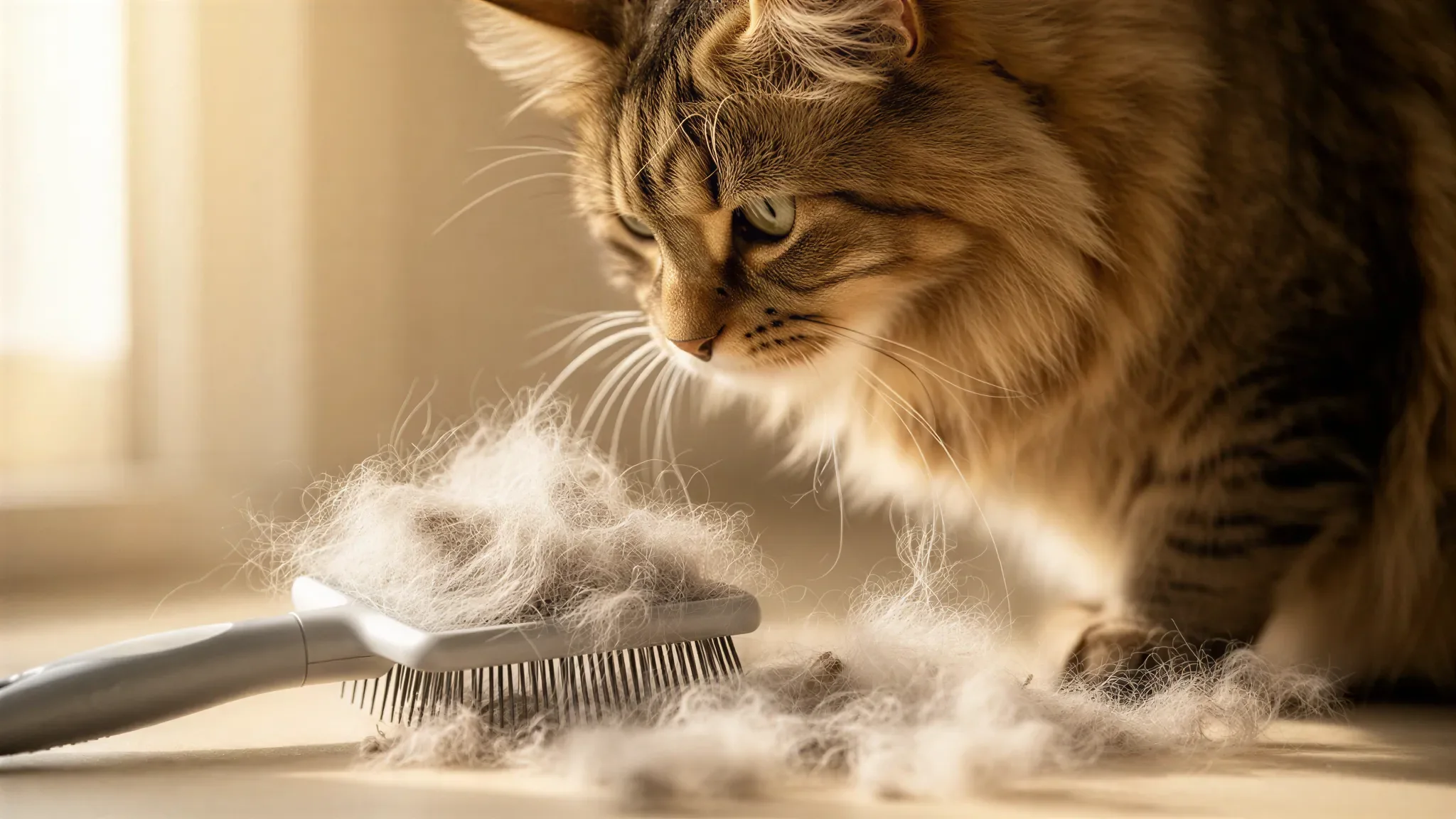
Cat shedding is a natural process, but excessive fur around your home doesn’t have to be your normal. Cats shed year-round with increased shedding during seasonal changes in spring and fall. While you can’t stop shedding completely, you can significantly reduce the amount of loose fur in your home through proper grooming, nutrition, and environmental management. This guide provides 10 vet-approved methods to control cat shedding, from the right brushing tools to dietary supplements that support coat health.
Understanding Cat Shedding
Shedding is a normal, healthy process where cats lose old or damaged hair. All cats shed regardless of coat length. Even hairless Sphynx cats shed their fine down. Shedding helps cats regulate body temperature and maintain healthy coats.
Seasonal shedding occurs in spring and fall as cats prepare for temperature changes. Spring shedding removes winter undercoat. Fall shedding prepares for winter coat growth. Indoor cats may shed year-round because artificial lighting and climate control disrupt natural cycles.
Excessive shedding can signal health problems. Poor nutrition, stress, parasites, allergies, and medical conditions all increase shedding. If your cat’s shedding seems excessive or is accompanied by skin problems, consult your vet.
You can’t stop shedding completely, but you can manage it effectively. Regular grooming removes loose hair before it ends up on your furniture. Proper nutrition supports healthy coat growth. Environmental controls capture fur before it spreads.
Method 1: Regular Brushing
Regular brushing is the most effective way to reduce shedding. Brushing removes loose hair before your cat sheds it around your home. It also distributes natural skin oils throughout the coat, keeping fur healthy and reducing breakage.
Short-haired cats need brushing once weekly. Long-haired cats need daily brushing to prevent mats and manage shedding. During seasonal shedding periods, increase brushing frequency to daily for all coat types.
The right brush makes a significant difference. Short-haired cats do well with rubber grooming mitts or shedding blades. Long-haired cats need wide-tooth combs and slicker brushes. Double-coated cats benefit from undercoat rakes that reach the dense undercoat.
Brush in the direction of hair growth using gentle strokes. Focus on areas that shed most: the back, sides, and tail. Pay extra attention during seasonal shedding periods. Collect and dispose of removed hair immediately.
Method 2: Proper Nutrition
Quality cat food supports healthy coat growth and reduces excessive shedding. Look for foods with high-quality animal protein as the first ingredient. Protein provides the building blocks for healthy hair growth.
Omega-3 and omega-6 fatty acids support skin and coat health. Foods containing fish oil, flaxseed, or chicken fat provide these essential nutrients. Some cats benefit from additional omega supplements.
Avoid foods with excessive fillers like corn and wheat. These provide little nutritional value and may contribute to poor coat quality. Cats are obligate carnivores and need meat-based nutrition.
Consider foods formulated for skin and coat health. Many premium brands offer formulas with added omega fatty acids and vitamins specifically for coat support. These foods can reduce shedding in cats with nutritional deficiencies.
Method 3: Omega Fatty Acid Supplements
Omega-3 fatty acid supplements reduce shedding by supporting skin health. Fish oil supplements provide EPA and DHA, the most beneficial omega-3s for cats. These reduce inflammation and support healthy coat growth.
Dosage depends on your cat’s weight and the supplement concentration. Typical dosing is 100-200 mg of combined EPA and DHA daily for average cats. Consult your vet for specific dosing recommendations.
Quality matters when choosing supplements. Look for molecularly distilled fish oil that’s free of contaminants. Liquid supplements are easier to dose than capsules. Some cats prefer flavored supplements.
Results take 4-8 weeks to become noticeable. Omega supplements work gradually to improve skin and coat health. Consistency is essential for benefits. Don’t expect immediate results.
Method 4: Hydration Support
Proper hydration supports skin health and reduces excessive shedding. Dehydrated cats develop dry, flaky skin that sheds more. Ensuring adequate water intake helps maintain healthy skin and coat.
Many cats don’t drink enough water from bowls. Cats evolved as desert animals and have low thirst drives. They’re designed to get most hydration from food.
Wet food provides significant hydration. Feeding wet food or mixing water into dry food increases water intake. Cats who eat wet food typically have healthier skin and coats.
Water fountains encourage drinking. Many cats prefer running water over still water. Fountains provide fresh, oxygenated water that appeals to cats. Place fountains in multiple locations throughout your home.
Method 5: Flea Control
Fleas cause excessive shedding through skin irritation and allergic reactions. Even a single flea bite can trigger intense itching in flea-allergic cats. Consistent flea prevention reduces shedding caused by flea irritation.
Year-round flea prevention is recommended for all cats, even indoor-only cats. Fleas can enter homes on clothing or through screens. Indoor cats can get fleas from other pets or infested environments.
Choose veterinarian-recommended flea products. Over-the-counter products may be less effective or unsafe. Prescription products provide reliable protection with proven safety.
Treat all pets in the household simultaneously. Fleas reproduce rapidly and untreated pets serve as reservoirs. Consistent treatment of all pets breaks the flea life cycle.
Method 6: Stress Reduction
Stress causes excessive shedding in cats. Changes in routine, new pets, moves, or other stressors trigger increased shedding. Reducing stress reduces stress-related shedding.
Maintain consistent routines for feeding, play, and interaction. Cats thrive on predictability. Consistent routines reduce stress and associated shedding.
Provide environmental enrichment to reduce boredom and stress. Puzzle feeders, climbing structures, and window perches keep cats mentally engaged. Bored cats may over-groom, causing excessive shedding.
Pheromone products like Feliway reduce stress. These synthetic cat facial pheromones signal safety and security. Diffusers and sprays help stressed cats feel more comfortable.
Method 7: Regular Bathing
Bathing removes loose hair and reduces shedding. While most cats don’t need regular bathing, occasional baths help manage shedding. Bathing is especially helpful during heavy seasonal shedding.
Use cat-specific shampoo formulated for feline skin. Human shampoos have different pH levels that irritate cat skin. Cat shampoos may include ingredients that support coat health.
Bathe every 4-6 weeks during heavy shedding periods. More frequent bathing can dry out skin and increase shedding. Less frequent bathing doesn’t provide shedding benefits.
Professional grooming may be necessary for cats who won’t tolerate home bathing. Professional groomers have experience handling difficult cats. They can provide thorough bathing that reduces shedding.
Method 8: Regular Veterinary Care
Regular veterinary checkups identify health problems that cause excessive shedding. Skin conditions, parasites, allergies, and systemic diseases all increase shedding. Early detection and treatment reduce shedding.
Annual wellness exams include skin and coat evaluation. Your vet can identify problems before they cause significant shedding. Senior cats benefit from semi-annual exams.
Blood work identifies underlying conditions affecting coat health. Thyroid disease, kidney disease, and other conditions cause shedding. Blood work catches these problems early.
Parasite prevention is part of regular veterinary care. Fleas, mites, and other parasites cause excessive shedding. Consistent prevention reduces parasite-related shedding.
Method 9: Proper Grooming Tools
The right grooming tools make a significant difference in shedding control. Cheap or inappropriate tools don’t remove loose hair effectively. Quality tools designed for your cat’s coat type provide best results.
Short-haired cats benefit from rubber grooming mitts, shedding blades, or fine-tooth combs. These tools remove loose hair without irritating sensitive skin. Rubber mitts feel like petting, which many cats prefer.
Long-haired cats need wide-tooth combs, slicker brushes, and undercoat rakes. Combs work through tangles while brushes remove loose hair. Undercoat rakes reach the dense undercoat that causes most shedding.
Double-coated cats especially benefit from undercoat rakes. These tools reach the dense undercoat that regular brushes miss. Using undercoat rakes during seasonal shedding significantly reduces fur around your home.
Method 10: Environmental Controls
Environmental controls capture fur before it spreads throughout your home. This doesn’t reduce shedding but manages the fur that’s shed. Combined with other methods, environmental controls keep your home hair-free.
Vacuum frequently with a vacuum designed for pet hair. HEPA filters capture fine hair and dander. Vacuum at least twice weekly during heavy shedding periods.
Use lint rollers and rubber squeegees on furniture. These tools remove embedded hair that vacuums miss. Keep lint rollers handy for quick cleanups.
Air purifiers with HEPA filters capture airborne hair and dander. Place purifiers in rooms where your cat spends the most time. Run purifiers continuously during heavy shedding periods.
When to See a Vet
Excessive shedding accompanied by skin problems warrants veterinary attention. Redness, sores, scabs, or bald spots indicate underlying problems. These need diagnosis and treatment.
Sudden increases in shedding may signal health issues. Thyroid disease, kidney disease, and other conditions cause increased shedding. Blood work identifies these problems.
Shedding with behavioral changes needs evaluation. Cats who over-groom to the point of creating bald spots may have stress, pain, or skin conditions. Veterinary behaviorists can help with compulsive grooming.
Senior cats with new excessive shedding should be evaluated. Age-related conditions often manifest as coat changes. Early detection improves outcomes for age-related diseases.
Frequently Asked Questions
How much shedding is normal?
All cats shed. Short-haired cats shed less visibly than long-haired cats. Seasonal increases in spring and fall are normal. Excessive shedding with skin problems or behavior changes isn’t normal.
Do hypoallergenic cats shed less?
No cat is truly hypoallergenic. Some breeds shed less than others but all cats produce allergens. Breeds like Siberians and Russian Blues may produce less Fel d 1 protein but still shed.
How often should I brush my cat to reduce shedding?
Short-haired cats need weekly brushing. Long-haired cats need daily brushing. During seasonal shedding, increase to daily for all coat types.
Do supplements really help with shedding?
Omega-3 supplements support skin and coat health. Results take 4-8 weeks to become noticeable. Supplements work best combined with proper nutrition and grooming.
Why is my cat shedding more than usual?
Increased shedding can signal stress, poor nutrition, parasites, or medical conditions. Rule out medical causes with your vet. Address environmental stressors and improve nutrition.
Can I shave my cat to reduce shedding?
No. Shaving doesn’t reduce shedding and can cause problems. Cat coats regulate body temperature and protect skin. Shaving should only be done for medical reasons under veterinary guidance.
How do I remove cat hair from furniture?
Use lint rollers, rubber squeegees, or vacuum attachments designed for pet hair. Damp rubber gloves also work well. Regular removal prevents hair from embedding deeply.
Want more cat care guidance? Read our Cat Grooming 101 for complete grooming guidance or explore Best Cat Toys for enrichment ideas.