
Do Cats Get Lonely? The Truth About Solo Cats (2026)
Cats have a reputation for being independent and aloof, but the truth is more nuanced. While cats don’t experience loneliness exactly like humans or dogs do, they can suffer from isolation and boredom when left alone for extended periods. Signs of feline loneliness include excessive vocalization, destructive behavior, over-grooming, and changes in eating or litter box habits. Understanding your cat’s social needs helps you provide appropriate companionship and enrichment. This guide explains how to recognize loneliness in cats and what to do about it.
Understanding Cat Social Needs
Natural Cat Social Behavior
Cats are facultatively social, meaning they can live alone or in groups depending on resources. This differs from dogs who are pack animals requiring social groups. Cats evolved as solitary hunters but can form social bonds when it benefits them.
In natural settings, related female cats often form colonies. They share territory and may cooperate in raising kittens. Male cats typically live alone or in loose bachelor groups. This natural structure informs how we manage multi-cat homes.
Domestic cats retain these instincts. They form hierarchies and territories even in indoor environments. Understanding natural behavior helps us create harmonious multi-cat homes.
Not all cats want to be friends. Some cats prefer parallel play and separate sleeping areas. This is normal and acceptable. The goal is peaceful coexistence, not necessarily close friendships.
Signs Your Cat Is Lonely
Excessive vocalization is a common loneliness sign. Cats who meow constantly, especially when you’re home, may be seeking attention. This is particularly common in vocal breeds like Siamese.
Destructive behavior can signal boredom and loneliness. Cats who scratch furniture, knock things over, or chew inappropriate items may be understimulated. This behavior often occurs when owners are away.
Over-grooming indicates stress in cats. Cats who lick excessively are self-soothing. This self-soothing behavior damages skin. Veterinary evaluation is needed to rule out medical causes.
Changes in eating or litter box habits signal stress. Cats who eat more or less than usual may be stressed. Litter box avoidance can indicate emotional distress. Rule out medical causes with your vet before assuming behavioral issues.
Clingy behavior when you’re home indicates your cat craves more interaction. Cats who follow you constantly, demand petting, or become upset when you leave may be lonely. This is your cat’s way of maximizing contact time.
Cats Who Do Well Alone
Independent Personalities
Some cats are perfectly content as solo pets. These cats show no signs of stress when left alone. They entertain themselves and don’t become destructive. They greet you warmly but don’t demand constant attention.
Adult cats adopted as singles often do well alone. They’ve established independence and don’t expect feline companionship. Senior cats particularly may prefer quiet solitude over active kitten companionship.
Certain breeds tend toward independence. Russian Blues, British Shorthairs, and Scottish Folds often do well as solo cats. These breeds typically have lower social needs than more social breeds.
Cats with enriched environments cope better with alone time. Cats with window perches, puzzle feeders, and multiple toys stay engaged when alone. Environmental enrichment reduces loneliness even for social cats.
Signs of a Content Solo Cat
Relaxed body language when you leave indicates comfort. Cats who nap, groom, or play normally as you prepare to leave are comfortable with alone time.
Normal eating and litter box habits indicate contentment. Cats who maintain regular routines when alone are coping well.
Welcoming but not desperate greetings when you return indicate healthy attachment. Cats who greet you warmly but don’t show distress are securely attached.
Independent play and self-entertainment indicate confidence. Cats who entertain themselves without becoming destructive are content.
Cats Who Need Companionship
High Social Needs
Kittens under 6 months benefit greatly from feline companions. Kittens have enormous energy and social needs. A companion kitten provides appropriate play and socialization. Single kittens often develop behavior problems from boredom.
Social breeds need more companionship. Siamese, Burmese, and Abyssinians are notoriously people-oriented. These breeds often do better with feline or human companions. They crave interaction and become stressed when isolated.
Cats who show loneliness signs need intervention. If your cat displays multiple loneliness symptoms, consider companionship options. This may mean a second cat or increased human interaction.
Cats who were raised with other cats often prefer feline company. Cats who lived in multi-cat homes before adoption may struggle as solo pets. They’re accustomed to feline social interaction and miss it.
Signs Your Cat Needs a Friend
Excessive vocalization when alone indicates loneliness. Cats who meow constantly, especially at doors or windows, may be seeking companionship.
Destructive behavior when alone signals boredom. Cats who scratch furniture, knock things over, or chew inappropriate items may need more stimulation.
Over-grooming creating bald spots indicates stress. This self-soothing behavior damages skin. Veterinary evaluation is needed to rule out medical causes.
Changes in eating or litter box habits when alone signal stress. Cats who eat more or less than usual, or avoid the litter box, may be stressed by isolation.
Enrichment for Solo Cats
Environmental Enrichment
Create multiple enrichment stations throughout your home. Scratching posts, climbing structures, and window perches in different locations give cats options.
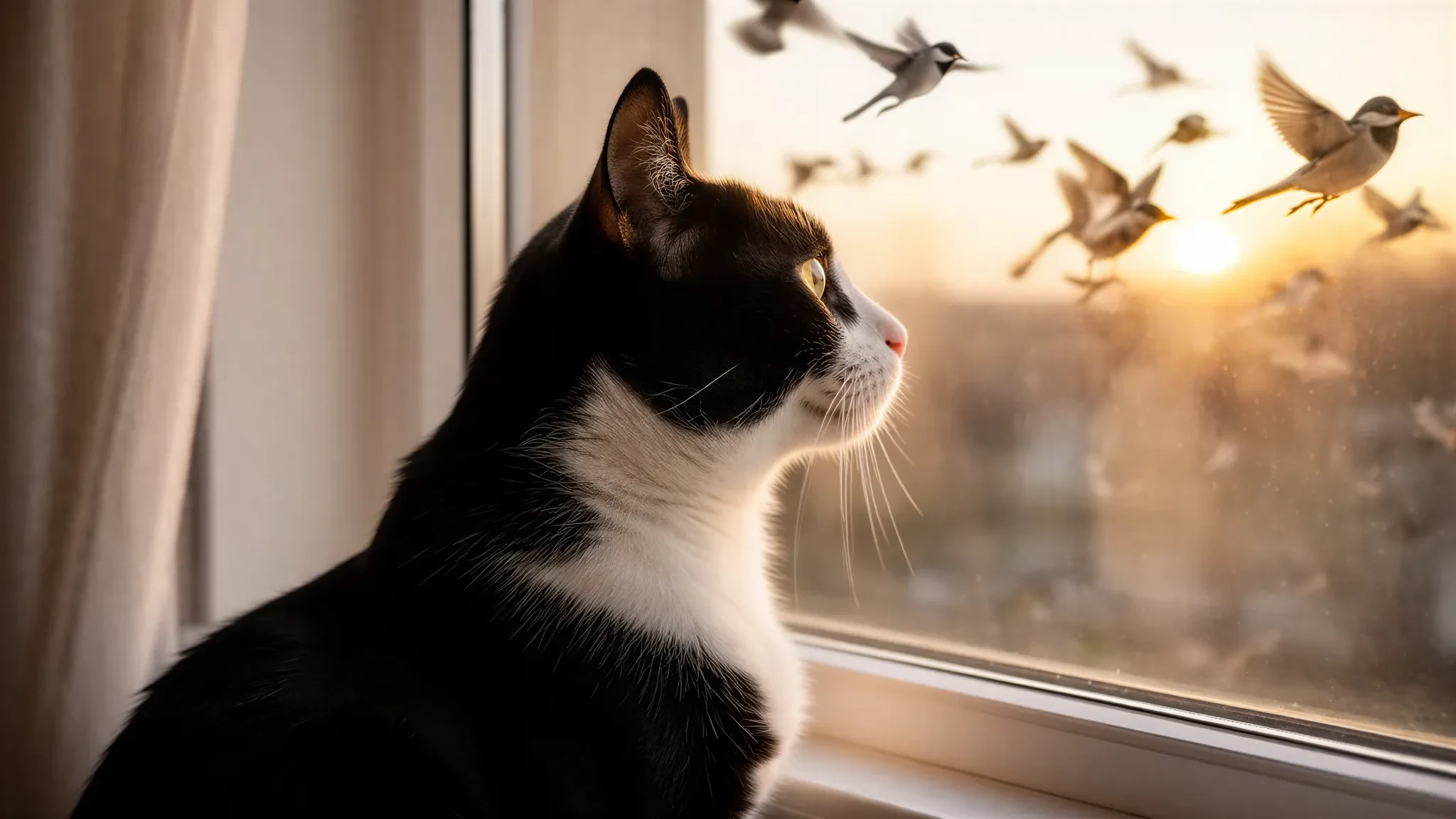
Window perches provide entertainment for solo cats. Cats can watch birds and outdoor activity without competing for your attention. Install multiple perches.
Cat TV videos provide passive entertainment. Videos designed for cats show birds, fish, and other animals. Play these when you’re unavailable.
Create “cat highways” using shelves and perches. Cats can move through the house at cat level. This reduces ground-level boredom.
Play and Exercise
Schedule dedicated play sessions before leaving. Plan for 15-20 minutes of interactive play. This tires your cat and provides mental stimulation.
Provide solo play options for when you’re not available. Puzzle feeders, automatic toys, and climbing structures keep cats entertained. Bored cats may conflict more.
Rotate toys regularly to maintain interest. Novel toys reduce boredom and provide mental stimulation. Keep a toy rotation schedule.
Consider timed feeders for mealtime enrichment. Timed feeders provide mental stimulation and break up the day. This gives your cat something to anticipate.
Comfort and Security
Provide hiding spots where your cat can retreat. Boxes, tunnels, and covered beds provide security. Cats feel safe when they can hide.
Create vertical spaces for climbing and perching. Cat trees and shelves provide security. Cats feel safe when they can observe from above.
Maintain consistent routines for feeding and interaction. Cats thrive on predictability. Consistent routines reduce stress and build trust.
Provide quiet spaces away from household activity. Cats need retreats from noise and chaos. Ensure your cat has access to calm areas.
When to Consider a Second Cat
Signs It’s Time
Your cat shows multiple loneliness signs. Excessive vocalization, destructive behavior, and over-grooming indicate your cat needs more companionship.
Your cat is young and energetic. Kittens and young cats have high social needs. A companion can help meet these needs.
Your cat was raised with other cats. Cats accustomed to feline companionship may struggle as solo pets.
Your lifestyle allows for a second cat. You have time, resources, and space for another cat. You’re prepared for the commitment.
Choosing a Companion
Consider age and energy level. Kittens do well with other kittens. Adult cats may prefer calm adult companions. Match energy levels for compatibility.
Consider personality and socialization. Social cats do well with other social cats. Independent cats may prefer solo living or calm companions.
Consider gender and neuter status. Neutered cats of any gender can live together peacefully. Some cats prefer same-gender companions while others don’t mind.
Consider a gradual introduction. Even if you’re getting a companion, proper introductions are essential. Follow the slow introduction method to prevent conflicts.
Frequently Asked Questions
How long can I leave my cat alone?
Adult cats can typically be alone for 24 hours with adequate food, water, and litter. Longer periods require pet sitters or boarding. Kittens and seniors need more frequent check-ins.
Do cats miss their owners?
Yes. Cats form attachments to their humans and notice when you’re gone. They may show greeting behaviors when you return. Some cats show stress during extended separations.
Will getting a second cat fix behavior problems?
Sometimes. Behavior problems caused by loneliness or boredom often improve with a companion. Problems caused by other issues won’t resolve with a second cat. Identify the cause first.
What age should I get a second cat?
Any age can work with proper introductions. Kittens adapt most easily. Adult cats can learn to accept companions with patience. Match energy levels for best success.
Can dogs provide companionship for cats?
Some cats bond well with dogs. Cat-friendly dogs can provide companionship. This depends on individual personalities. Not all cats accept dogs as companions.
How do I know if my cats are bonded?
Bonded cats sleep together, groom each other, and seek each other’s company. They may play together and show distress when separated. Bonded pairs should ideally be adopted together.
My cat seems fine alone. Should I still get a companion?
If your cat shows no loneliness signs, a second cat isn’t necessary. Some cats prefer being solo. Respect your cat’s individual preferences.
Want to understand more cat behaviors? Read our Indoor Cat Enrichment guide or explore How Cats Show Affection for relationship insights.