
How to Brush Cat Teeth: Step-by-Step Guide (2026)
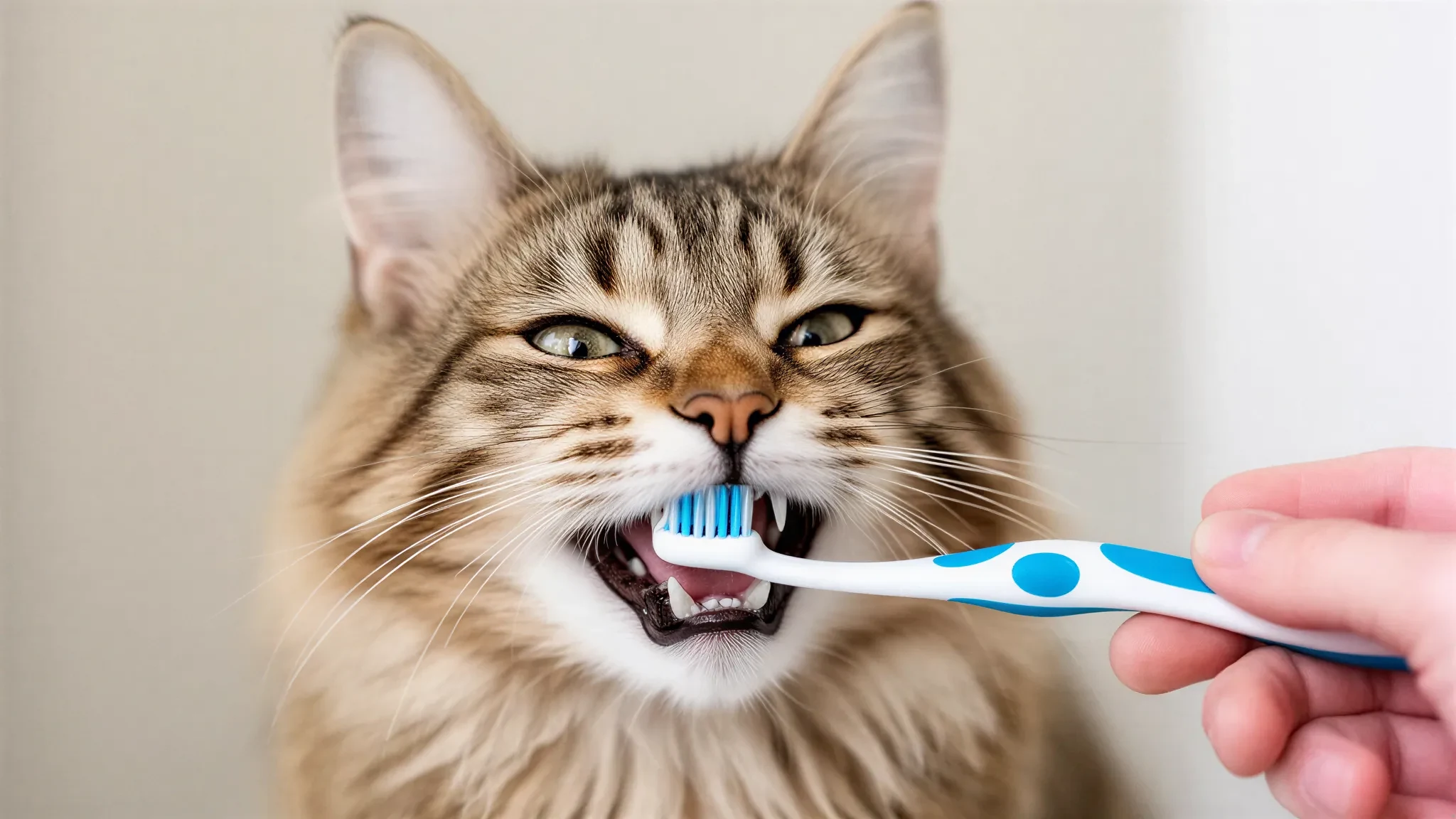
Brushing your cat’s teeth sounds impossible but it’s absolutely achievable with patience and the right technique. Regular tooth brushing is the most effective way to prevent dental disease in cats. This step-by-step guide walks you through everything you need to know: gathering supplies, desensitizing your cat, proper brushing technique, and troubleshooting common problems. With consistent practice, even resistant cats can learn to tolerate or even enjoy tooth brushing.
Why Brush Your Cat’s Teeth
Dental disease affects up to 70% of cats by age 3. Plaque builds up on teeth, hardens into tartar, and causes gum inflammation. Without intervention, this progresses to painful periodontal disease with tooth loss and bone damage.
Bacteria from dental disease enters the bloodstream and affects vital organs. Studies link dental disease to kidney disease, heart disease, and diabetes in cats. Brushing prevents these systemic health problems.
Professional dental cleanings require anesthesia and cost $500-$1,000 or more. Regular home brushing reduces the frequency of professional cleanings needed. Prevention is far less costly and stressful than treatment.
Cats can’t brush their own teeth. Unlike humans who have multiple dental care options, cats rely entirely on their owners for dental care. Brushing is the single most effective home dental care method.
Gathering Supplies
Cat-Specific Toothpaste
Never use human toothpaste for cats. Human toothpaste contains fluoride, xylitol, and detergents that are toxic to cats. These ingredients can cause serious illness if swallowed.
Cat toothpaste comes in appealing flavors like poultry, fish, malt, and liver. These flavors encourage acceptance. Cat toothpaste is enzymatic, meaning it breaks down plaque chemically.
Popular cat toothpaste brands include Virbac C.E.T., Petsmile, and TropiClean. All are safe for cats to swallow. Choose flavors your cat finds appealing.
Toothpaste tubes last several months with regular use. Store in a cool, dry place. Check expiration dates and replace expired toothpaste.
Toothbrush Options
Cat toothbrushes are smaller than human brushes with softer bristles. They’re designed to fit comfortably in a cat’s mouth. Choose brushes specifically labeled for cats.
Finger brushes fit over your fingertip for better control. These work well for cats who resist traditional brushes. Finger brushes provide good tactile feedback.
Double-ended brushes have different sized heads for different mouth areas. Small heads reach back teeth while larger heads clean front teeth. These provide versatility.
Electric toothbrushes designed for cats are available. The vibration can help remove plaque more effectively. Some cats find the vibration frightening, so introduce slowly.
Additional Supplies
Treats reward your cat during and after brushing. High-value treats create positive associations with tooth brushing. Use special treats your cat only gets during brushing.
Towels help restrain cats who resist brushing. Wrapping your cat snugly in a towel exposes the mouth while preventing scratching. This makes brushing safer.
Good lighting helps you see inside your cat’s mouth. Brush in a well-lit area or use a headlamp for better visibility. Seeing the teeth ensures thorough cleaning.
Gauze pads can substitute for toothbrushes initially. Wrapping gauze around your finger lets you apply toothpaste directly. This is a good intermediate step before introducing a brush.
Step-by-Step Brushing Process
Week 1: Mouth Handling Desensitization
Days 1-3: Touch your cat’s face and lips gently during calm moments. Lift the lips briefly to expose teeth. Reward with treats and praise. Keep sessions under 30 seconds.
Days 4-5: Gently rub your cat’s gums with your finger. Focus on the front teeth initially. Reward generously. Increase duration to 1 minute.
Days 6-7: Introduce the taste of toothpaste. Let your cat lick toothpaste from your finger. Most cats enjoy the flavor. This creates positive associations.
Watch for signs of stress during desensitization. Flattened ears, tail twitching, or attempts to escape indicate your cat needs slower progress. Don’t rush the process.
Week 2: Introducing the Brush
Days 1-3: Let your cat investigate the toothbrush. Allow sniffing and batting. Apply toothpaste to the brush and let your cat lick it off.
Days 4-5: Touch the brush to your cat’s teeth briefly. Start with front teeth. Don’t attempt brushing motion yet. Just touch and reward.
Days 6-7: Make gentle brushing motions on front teeth. One or two strokes is sufficient initially. Reward immediately after.
Some cats accept the brush quickly while others need more time. Follow your cat’s pace. Rushing creates negative associations that are hard to overcome.
Week 3: Building Brushing Duration
Days 1-3: Brush front teeth for 10-15 seconds. Use gentle circular motions. Focus on the outer surfaces where plaque accumulates most.
Days 4-5: Extend brushing to 20-30 seconds. Include side teeth in addition to front teeth. Work up to one side of the mouth.
Days 6-7: Brush for 30-45 seconds. Cover both sides of the mouth. Include back teeth where dental disease often starts.
Aim for daily brushing but know that even 3-4 times weekly provides benefits. Consistency matters more than perfection. Some brushing is far better than none.
Week 4: Establishing Routine
By week 4, most cats accept regular brushing. Continue daily brushing for 45-60 seconds. Cover all tooth surfaces thoroughly.
Maintain positive associations with treats and praise. End each session on a positive note. Your cat should anticipate brushing as a pleasant experience.
Watch for signs of dental problems during brushing. Red gums, loose teeth, or unusual odors warrant veterinary attention. Regular brushing helps you catch problems early.
Proper Brushing Technique
Positioning Your Cat
Sitting position works well for most cats. Sit on the floor or a low chair with your cat in your lap. Face your cat away from you so you can see the teeth clearly.
Lying position works for some cats. Lay your cat on their side on a table or your lap. This exposes all teeth easily. Some cats feel more secure lying down.
Two-person brushing makes difficult cats easier. One person holds and comforts the cat while the other brushes. This works well for cats who resist strongly.
Towel wrapping helps restrain resistant cats. Wrap your cat snugly in a towel, exposing only the head. This prevents scratching and makes brushing safer.
Brushing Motion
Hold the brush at a 45-degree angle to the gumline. This angle reaches under the gumline where plaque accumulates. Don’t hold the brush perpendicular to teeth.
Use gentle circular motions. Let the brush do the work without pressing hard. Aggressive brushing damages gums and creates negative associations.
Focus on outer tooth surfaces. The tongue cleans inner surfaces naturally. Concentrate on where plaque accumulates most.
Don’t forget the back teeth. Dental disease often starts on back molars. These teeth are easy to miss but important to clean.
Duration and Frequency
Aim for 45-60 seconds of total brushing time. This is sufficient to clean all tooth surfaces. Longer brushing isn’t necessarily better.
Daily brushing is ideal but 3-4 times weekly provides significant benefits. Consistency matters more than frequency. Establish a routine you can maintain.
Morning brushing works well for many households. Cats are often calm after waking. Brushing before feeding removes overnight plaque buildup.
Evening brushing removes the day’s plaque accumulation. Some cats are more relaxed in the evening. Choose the time that works best for your household.
Troubleshooting Common Problems
Resistant Cats
Cats who resist brushing need slower desensitization. Return to earlier steps and progress more slowly. Rushing creates negative associations.
Try different toothpaste flavors. Some cats prefer poultry while others prefer fish. Finding the right flavor can transform brushing acceptance.
Consider dental wipes as an alternative. These pre-moistened wipes clean teeth when rubbed along the gumline. They’re less effective than brushing but better than nothing.
Consult your vet for severely resistant cats. Some cats need professional help to accept brushing. Your vet can demonstrate techniques or recommend alternatives.
Bleeding Gums
Minor bleeding during initial brushing is common. Inflamed gums bleed easily. Continue gentle brushing and gums will improve within 1-2 weeks.
Persistent bleeding warrants veterinary attention. Bleeding that doesn’t improve after 2 weeks may indicate advanced dental disease. Your cat may need professional cleaning.
Use extra gentle technique if gums bleed. Soft pressure and soft bristles minimize bleeding. Don’t stop brushing because of minor bleeding.
Watch for other signs of dental disease. Bad breath, tartar buildup, and loose teeth indicate problems needing veterinary attention.
Gagging and Drooling
Some cats gag initially during brushing. This usually resolves as cats become accustomed to the sensation. Slow down and use less toothpaste.
Excessive drooling can indicate toothpaste taste issues. Try different flavors. Some cats drool from stress rather than taste.
Gagging combined with resistance may indicate brushing too far back. Focus on accessible teeth initially. Gradually work toward back teeth as your cat accepts brushing.
Persistent gagging warrants veterinary evaluation. Some cats have throat sensitivities or dental pain causing gagging. Your vet can identify underlying causes.
Dental Care Beyond Brushing
Dental Treats
Dental treats reduce plaque through mechanical action. Look for VOHC-approved treats like Hill’s Prescription Diet Oral Care and Purina Pro Plan Dental Chewz.
Dental treats complement but don’t replace brushing. They reach areas brushing misses but don’t provide thorough cleaning. Limit treats to 10% of daily calories.
Some cats gulp treats without chewing. Choose appropriately sized treats that require chewing. Supervise treat time to ensure proper chewing.
Dental Diets
Prescription dental diets have larger kibble that requires chewing. Hill’s Prescription Diet t/d and Royal Canin Dental are VOHC-approved options.
Dental diets work best as the sole food source. Mixing with regular food reduces the dental benefit. These diets require veterinary prescription.
Dental diets aren’t appropriate for all cats. Cats with certain medical conditions may need different nutritional profiles. Consult your vet before switching.
Professional Cleanings
Most cats need professional cleaning every 1-3 years. Cats with excellent home care may go longer. Cats prone to dental disease may need more frequent cleanings.
Professional cleaning requires general anesthesia. Modern anesthetic protocols are very safe for healthy cats. Pre-anesthetic blood work identifies risks.
The cleaning includes scaling, polishing, and examination. Dental X-rays may be taken to evaluate roots and bone. Extractions may be needed for diseased teeth.
Frequently Asked Questions
How often should I brush my cat’s teeth?
Daily brushing is ideal but 3-4 times weekly provides significant benefits. Consistency matters more than frequency. Establish a routine you can maintain.
Can I use human toothpaste for my cat?
No. Human toothpaste contains ingredients toxic to cats including fluoride and xylitol. Use only cat-specific toothpaste in appealing flavors.
My cat won’t let me brush. What can I do?
Try slower desensitization, different toothpaste flavors, or dental wipes as alternatives. Consult your vet for severely resistant cats. Any dental care is better than none.
When should I start brushing my kitten’s teeth?
Start as early as 8 weeks with gentle gum massage. Introduce toothpaste and brush gradually. Early introduction makes adult dental care easier.
Is anesthesia safe for dental cleaning?
Modern anesthesia is very safe for healthy cats. Pre-anesthetic blood work identifies risks. The benefits of dental cleaning outweigh anesthesia risks for most cats.
How much does cat dental cleaning cost?
Professional cleaning typically costs $500-$1,000 depending on location and whether extractions are needed. Dental X-rays add $100-$200. Pet insurance may cover part of the cost.
Can dental disease kill my cat?
Untreated dental disease can contribute to serious health problems including kidney disease and heart disease. While not directly fatal, it significantly impacts health and longevity.
Want more cat care guidance? Read our Cat Dental Care Guide for comprehensive dental information or explore Cat Grooming 101 for complete grooming guidance.