
Cat Stress Signs: Is Your Cat Anxious? (2026)
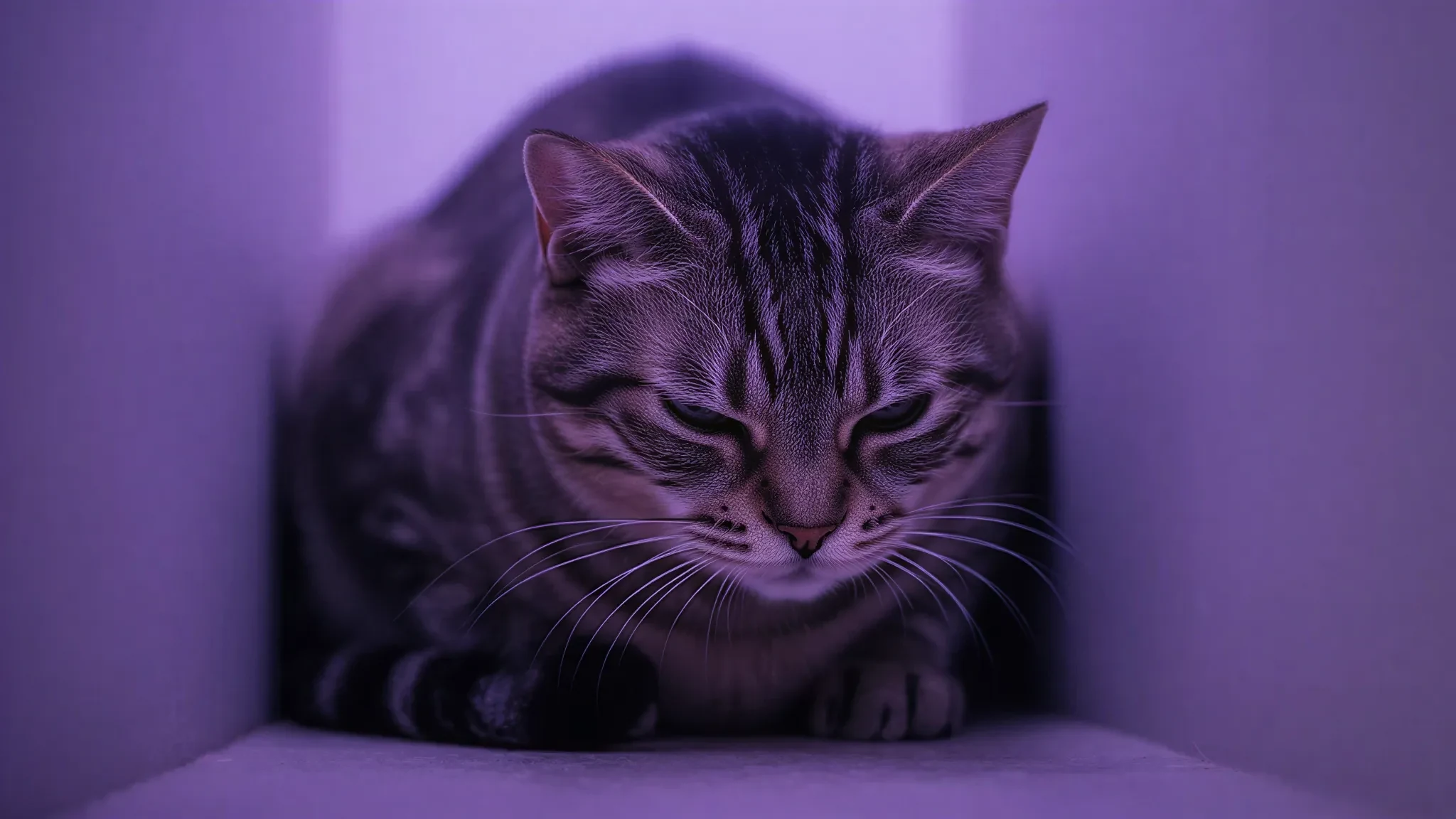
Cats are masters at hiding stress and anxiety. Unlike dogs who may pant, pace, or whine, cats show stress through subtle behavioral changes that are easy to miss. Recognizing cat stress signs early helps you address problems before they become serious. Stress in cats can lead to health problems including urinary issues, over-grooming, and behavioral problems. This guide covers everything you need to know about cat stress: common signs, causes, how to reduce stress, and when veterinary help is needed.
Understanding Cat Stress
Why Cats Hide Stress
Cats hide stress as a survival instinct. In the wild, showing weakness makes cats vulnerable to predators. Sick or stressed cats are targets. This instinct persists in domestic cats even though they face no predators.
Cats who feel vulnerable seek hiding spots. This is a natural coping mechanism. Hiding provides security when cats feel threatened. Don’t force cats out of hiding — this increases stress.
Stress affects cats physically and behaviorally. Chronic stress suppresses immune function, making cats susceptible to illness. Stress also triggers behavioral problems like litter box avoidance and aggression.
Understanding that cats hide stress helps you recognize subtle signs. You need to be observant to catch stress early. Don’t wait for obvious symptoms.
Acute vs. Chronic Stress
Acute stress is short-term stress from specific events. Vet visits, car rides, guests, or loud noises cause acute stress. This type of stress typically resolves when the trigger is removed.
Chronic stress is ongoing stress from persistent situations. Multi-cat conflict, inadequate resources, or environmental changes cause chronic stress. This type of stress is more harmful to health.
Acute stress signs include hiding, not eating temporarily, and increased vigilance. These resolve within hours to days after the trigger is removed.
Chronic stress signs include ongoing hiding, over-grooming, litter box problems, and health issues. These persist until the underlying stressor is addressed.
Common Stress Signs in Cats
Behavioral Changes
Hiding is one of the most common stress signs. Cats who hide more than usual, especially in unusual locations, are stressed. New hiding spots or increased hiding time indicate problems.
Decreased interaction signals stress. Cats who stop greeting you, avoid petting, or isolate themselves are stressed. Social withdrawal is a significant stress indicator.
Changes in activity level indicate stress. Some cats become lethargic and sleep more. Others become restless and pace. Both extremes signal stress.
Litter box changes are significant stress indicators. Cats who avoid the box, urinate outside the box, or change elimination patterns are often stressed. Rule out medical causes first.
Physical Changes
Appetite changes signal stress. Cats who eat less or stop eating are stressed. Some cats eat more from stress. Any appetite change warrants attention.
Grooming changes indicate stress. Over-grooming creates bald spots, especially on the belly, legs, or tail. Under-grooming leads to matted, unkempt fur. Both extremes signal stress.
Weight changes accompany chronic stress. Weight loss from decreased eating or weight gain from stress eating both occur. Monitor weight regularly.
Digestive issues signal stress. Vomiting, diarrhea, or constipation can be stress-related. Rule out medical causes with your vet.
Vocalization Changes
Increased vocalization indicates stress. Cats who meow, yowl, or cry more than usual are stressed. Night vocalization is common with stress.
Decreased vocalization also signals stress. Cats who normally vocalize but become quiet are stressed. Silence in a normally vocal cat is concerning.
Different vocalizations indicate different stress types. Low-pitched growls indicate fear or aggression. High-pitched meows indicate anxiety or distress.
Context matters for vocalization. Cats who vocalize during specific situations (vet visits, guests) have situational stress. Cats who vocalize constantly have chronic stress.
Body Language Signs
Tail position communicates stress. Tucked tails indicate fear. Puffed tails indicate fear or aggression. Lashing tails indicate irritation.
Ear position signals stress. Flattened ears indicate fear or aggression. Ears rotated sideways indicate anxiety. Forward ears indicate alertness to stressors.
Eye changes indicate stress. Dilated pupils indicate fear or arousal. Half-closed eyes indicate relaxation. Staring indicates challenge or threat.
Body posture communicates stress. Crouched posture indicates fear. Arched back indicates fear or aggression. Tense muscles indicate stress.
Common Stress Causes
Environmental Changes
Moving to a new home is extremely stressful for cats. Everything familiar is gone. Cats need weeks to adjust to new environments. Provide extra support during moves.
Renovations disrupt cats’ territories. Construction noise, dust, and changed layouts cause stress. Keep cats in safe rooms during major renovations.
New furniture changes scent landscapes. Cats mark their territory with facial glands. New unmarked furniture feels foreign. Allow cats to mark new furniture at their own pace.
Changes in household activity affect cats. More or less activity changes cats’ stress levels. Work schedule changes, guests, or parties all cause stress.
Social Changes
New pets disrupt established territories. Resident cats may feel threatened. Proper introductions reduce stress. Rushed introductions cause chronic stress.
New family members change dynamics. Babies, partners, or roommates alter cats’ routines. Cats need time to adjust to new people. Provide extra attention during transitions.
Loss of family members affects cats. Cats grieve when family members leave or die. They may search, vocalize, or become depressed. Provide extra comfort during grief.
Changes in your presence affect cats. Cats who are alone more may develop separation anxiety. Cats who have you home more may become overly dependent. Both cause stress.
Resource Issues
Inadequate resources cause stress in multi-cat households. Not enough litter boxes, food stations, or resting spots creates competition. The rule is one per cat plus one extra.
Resource guarding causes stress. Cats who guard resources create stress for other cats. Spread resources throughout your home to prevent guarding.
Poor resource placement causes stress. Resources in high-traffic areas or near noisy appliances stress cats. Place resources in quiet, accessible locations.
Dirty resources cause stress. Cats prefer clean litter boxes and fresh food. Dirty boxes and stale food stress cats. Maintain cleanliness consistently.
Medical Causes
Pain causes stress. Cats with arthritis, dental disease, or injuries are stressed. Pain management reduces stress. Work with your vet on pain control.
Illness causes stress. Cats with medical conditions feel vulnerable. Treatment of underlying conditions reduces stress. Supportive care helps stressed sick cats.
Medications can cause stress. Some medications cause nausea or discomfort. Discuss side effects with your vet. Medication adjustments may help.
Sensory decline causes stress. Cats with hearing or vision loss feel vulnerable. Environmental modifications support sensory-impaired cats.
Reducing Cat Stress
Environmental Modifications
Provide hiding spots throughout your home. Boxes, tunnels, and covered beds provide security. Cats feel safe when they can hide. Respect hiding time.
Create vertical spaces for climbing and perching. Cat trees and shelves provide security. Cats feel safe when they can observe from above.
Maintain consistent routines. Predictability reduces stress. Feed, play, and interact at consistent times. Cats thrive on routine.
Use pheromone products. Feliway and similar products release synthetic cat facial pheromones. These signal safety and security. Diffusers and sprays help stressed cats.
Resource Management
Provide adequate resources. One litter box per cat plus one extra. Multiple food and water stations. Multiple resting spots. This prevents competition.
Spread resources throughout your home. Don’t place all resources in one location. This prevents resource guarding. Cats have options.
Maintain resource cleanliness. Scoop litter boxes daily. Provide fresh food and water. Wash bowls regularly. Clean resources reduce stress.
Respect individual preferences. Some cats prefer covered boxes while others prefer open. Some prefer elevated feeding while others prefer ground level. Accommodate preferences.
Interaction Guidelines
Respect your cat’s boundaries. Don’t force interaction. Let your cat approach you on their terms. Forced interaction increases stress.
Learn to read stress signals. Stop petting before your cat becomes overstimulated. Watch for tail twitching, ear rotation, and tension.
Provide predictable interaction. Consistent play and petting times reduce stress. Cats know when to expect attention. This provides security.
Use positive reinforcement. Reward calm, relaxed behavior with treats and praise. This builds positive associations. Never punish stress behaviors.
When to See a Vet
Sudden behavior changes warrant veterinary attention. Medical causes should be ruled out before assuming stress. Sudden changes often indicate health problems.
Stress accompanied by physical symptoms needs evaluation. Not eating, vomiting, diarrhea, or litter box changes indicate problems. Multiple symptoms together suggest medical issues.
Chronic stress that doesn’t improve with environmental changes needs professional help. If you’ve tried modifications for 4-6 weeks without improvement, consult your vet.
Severe stress signs need immediate attention. Cats who don’t eat for 24+ hours, hide constantly, or show aggression need help. Don’t wait for problems to resolve on their own.
Medical Treatment for Stress
Anti-Anxiety Medications
Prescription medications can help severely stressed cats. Medications reduce anxiety making behavior modification more effective. Medication is often temporary while new behaviors are learned.
Common medications include gabapentin, fluoxetine, and clomipramine. Each has different effects and side effects. Your vet will recommend the best option for your cat.
Medications take time to work. Some work immediately while others take weeks. Follow your vet’s dosing instructions exactly. Don’t stop medications abruptly.
Medication works best combined with environmental modifications. Medication alone isn’t a complete solution. Address underlying stressors while using medication.
Natural Remedies
Pheromone products provide natural stress relief. Feliway diffusers and sprays signal safety. These work well for mild to moderate stress.
Calming supplements contain ingredients like L-theanine, tryptophan, and milk proteins. These support calm behavior. Discuss supplements with your vet.
Herbal remedies like chamomile and valerian may help some cats. Evidence is limited. Discuss with your vet before using herbal remedies.
Music therapy designed for cats may reduce stress. Calming cat music has specific frequencies and tempos. This works well for some cats during stressful events.
Frequently Asked Questions
How do I know if my cat is stressed?
Look for behavioral changes like hiding, decreased interaction, litter box changes, appetite changes, and grooming changes. Physical signs include weight changes and digestive issues. Multiple signs together indicate stress.
Can cats die from stress?
Stress alone rarely kills cats but chronic stress suppresses immune function making cats susceptible to illness. Stress can trigger fatal conditions like urinary blockages in male cats. Address stress promptly.
How long does it take for a cat to recover from stress?
Acute stress resolves within hours to days after the trigger is removed. Chronic stress takes weeks to months to resolve. Consistency in interventions is essential.
Should I give my stressed cat space or attention?
Both, depending on your cat’s preference. Some stressed cats want solitude while others want comfort. Follow your cat’s cues. Provide options for both.
Can stress cause litter box problems?
Yes. Stress is a common cause of litter box avoidance. Cats may avoid boxes when stressed or mark territory when feeling threatened. Rule out medical causes first.
Do all cats show stress the same way?
No. Individual cats show stress differently. Some hide while others become clingy. Some eat less while others eat more. Know your cat’s normal to recognize changes.
When should I see a behaviorist for cat stress?
If stress doesn’t improve with environmental modifications after 4-6 weeks, consult a behaviorist. Severe stress with aggression or self-injury needs professional help immediately.
Want to understand more cat behaviors? Read our Cat Body Language Guide for stress signal recognition or explore Multi-Cat Household Harmony for multi-cat stress management.