
Siberian Cat Breed Guide: Personality & Care
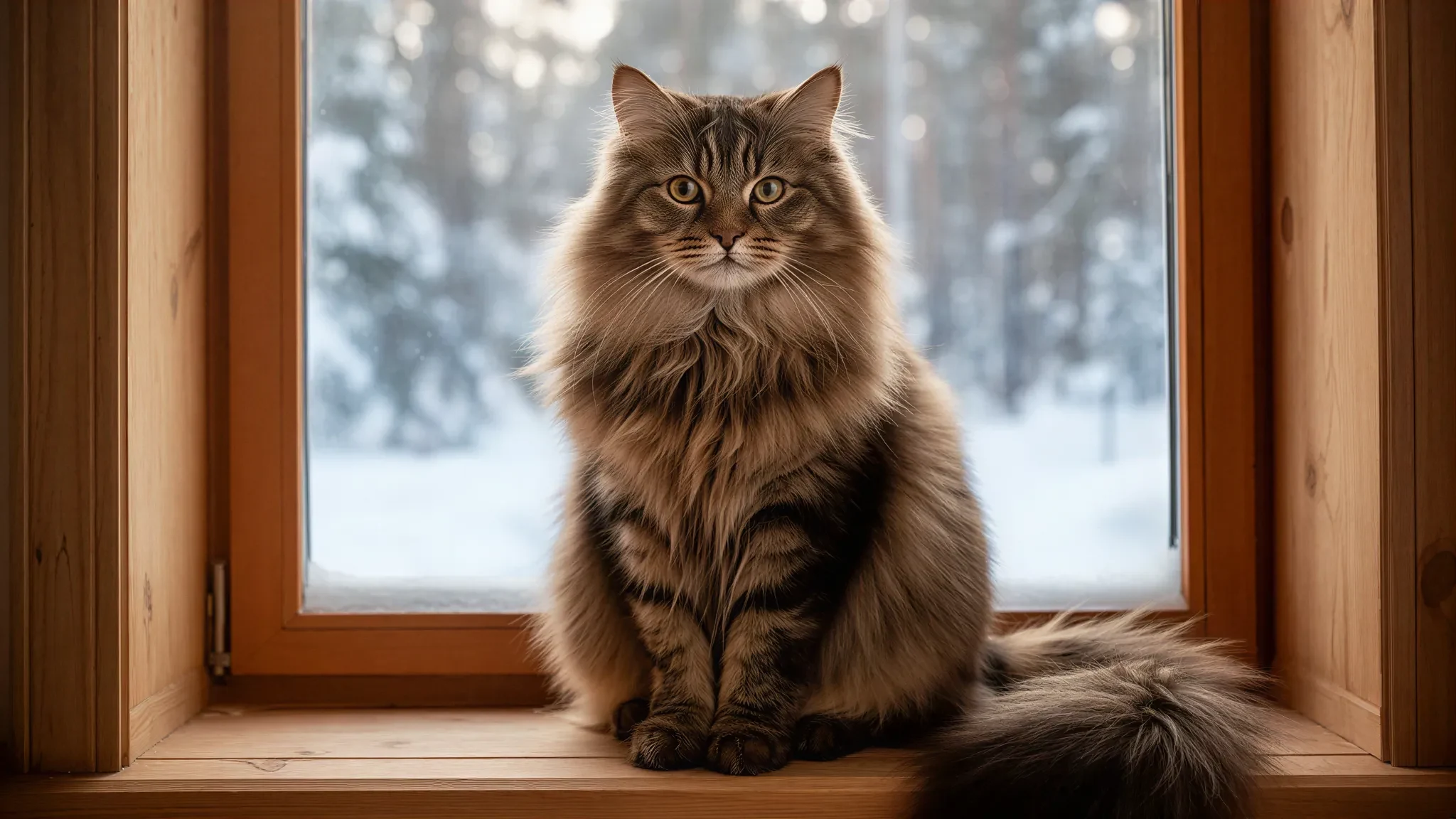
The Siberian is one of the most impressive cat breeds, known for their luxurious triple coats, large size, and gentle personalities. These large cats are perfect for families and owners who want an affectionate, low-maintenance companion. This complete guide covers everything you need to know about Siberian cats: their history, personality traits, care requirements, health concerns including hypoallergenic claims, and whether this majestic breed is the right fit for your lifestyle.
Quick Facts
| Attribute | Detail |
|---|---|
| Origin | Russia |
| Size | Large (10-20 lbs) |
| Coat | Long, triple-layered, water-resistant |
| Personality | Gentle, playful, loyal, intelligent |
| Lifespan | 12-15 years |
| Care Level | Medium |
| Best For | Families, cold climates, allergy sufferers |
| Health Concerns | Hypertrophic cardiomyopathy, Polycystic kidney disease |
| Common Names | Nikolai, Natasha, Bear, Luna |
History and Origins
The Siberian is one of the oldest natural cat breeds, with a history that traces back centuries in Russia. These cats developed naturally in the harsh Siberian climate, evolving their distinctive triple coats and sturdy builds. They were working cats in Russian households and farms, valued for their hunting abilities and gentle temperaments.
The breed was first mentioned in Russian fairy tales and children’s books dating back to the 1800s. Siberian cats were considered national treasures in Russia and were protected as part of Russian cultural heritage. They were first imported to the United States in 1990.
The Cat Fanciers’ Association recognized the Siberian in 2006, relatively late compared to other breeds. The breed has grown in popularity due to its combination of beautiful appearance, gentle temperament, and potential hypoallergenic qualities. Their combination of good health and affectionate personality makes them ideal family pets.
The breed’s Russian heritage explains many of their modern traits. Their triple coats evolved naturally for the cold climate. Their gentle nature stems from their history as family companions. Understanding this history helps explain why Siberians are so adaptable.
Personality and Temperament
Siberians are famously gentle and playful cats. They’re known for their loyalty to their families and dog-like devotion. These cats don’t demand constant attention but enjoy being near their humans. They’ll follow you from room to room and greet you at the door.
These cats are moderately active and playful throughout their lives. They enjoy interactive play sessions but are equally content to nap in sunny spots. Their activity level is well-suited to various households. Siberians retain their playful nature well into adulthood without the high energy of some breeds.
Siberians are excellent with children and other pets. Their patient nature makes them ideal family cats. They tolerate gentle handling well and rarely become aggressive. They’re best suited for households where they receive regular interaction and affection.
These cats are moderately vocal, with soft voices. They’ll communicate their needs but aren’t demanding. Their quiet nature makes them suitable for various households. They’re known for their intelligence and ability to learn routines quickly.
Physical Characteristics
Siberians are large cats with muscular, substantial builds. Males typically weigh 12-20 pounds, while females range from 8-16 pounds. Despite their large size, they’re agile and graceful. Their bodies are designed for the cold climate, with broad chests and sturdy legs.
The Siberian’s coat is their most distinctive feature. It’s long, triple-layered, and water-resistant. The coat has a dense undercoat, a middle layer, and long guard hairs. They come in all colors and patterns. The coat requires regular grooming but is less prone to matting than other long-haired breeds.
Their large, expressive eyes are typically gold or green in color. Their rounded faces with medium ears give them a sweet expression. The overall appearance is one of substance and warmth, which perfectly matches their gentle personality.
Care Requirements
Grooming
The Siberian’s long coat requires regular grooming. Brush two to three times weekly with a wide-tooth comb and slicker brush to prevent mats and remove loose hair. During seasonal shedding periods in spring and fall, increase brushing to daily to manage the increased hair loss.
Their triple coats are less prone to matting than other long-haired breeds, making them more manageable. Occasional baths may be needed if your cat gets into something messy, but most Siberians stay remarkably clean on their own. Trim nails every 2-3 weeks and check ears monthly for wax buildup.
Feeding
Adult Siberians typically need about one to one and a half cups of high-quality dry food daily, divided into two meals. Their large size means they need more calories than smaller breeds. Monitor weight regularly and adjust portions accordingly.
Kittens need kitten-formulated food until 12 months of age. Feed 3-4 small meals daily until 6 months, then gradually reduce to twice daily. Siberians are generally good eaters but monitor for any changes in appetite that could signal health issues.
Fresh water should always be available. Many Siberians prefer running water, so consider a fountain to encourage hydration. Proper hydration supports kidney health, which is important for all cats.
Exercise and Enrichment
Siberians need moderate daily exercise and mental stimulation. Plan for 30-45 minutes of interactive play daily using wand toys, laser pointers, or fetch toys. These cats often enjoy gentle hunting games. They’re not as acrobatic as some breeds but appreciate regular activity.
Provide sturdy cat trees with multiple levels for climbing and perching. Siberians appreciate vertical territory but prefer stable structures. Window perches provide entertainment for bird watching. Puzzle feeders and interactive toys keep them mentally engaged.
These cats do well as single pets or with feline companions. They’re not demanding of attention but appreciate regular interaction. Without adequate stimulation, they may become overweight or bored.
Health Concerns
Siberians are generally healthy cats with good longevity, but they’re predisposed to certain genetic conditions. Hypertrophic cardiomyopathy (HCM) is the most common heart disease in cats. Siberians have a genetic predisposition. Annual cardiac screening is recommended for breeding cats. Medications can manage symptoms. Reputable breeders screen their breeding cats through echocardiograms.
Polycystic kidney disease (PKD) is a genetic condition causing cysts in kidneys. This is inherited from Persian ancestry. Symptoms include increased thirst, increased urination, weight loss, and decreased appetite. Responsible breeders screen through ultrasound. There is no cure, but supportive care manages the condition.
Work with reputable breeders who health test their breeding stock. Ask about health guarantees and screening for these conditions. Regular veterinary checkups help catch issues early when treatment is most effective.
Hypoallergenic Claims
Siberians are often marketed as hypoallergenic cats. While no cat is truly hypoallergenic, Siberians may produce less Fel d 1 protein than other breeds. This protein is the primary allergen in cats. Some allergy sufferers report tolerating Siberians better than other breeds.
However, individual reactions vary widely. Some allergy sufferers tolerate Siberians well, while others react strongly. If you have cat allergies, spend time with a Siberian before bringing one home to test your reaction.
The breed’s triple coat may trap allergens better than other breeds, reducing airborne allergens. Regular grooming and bathing can further reduce allergen levels in your home.
Is a Siberian Right for You?
A Siberian is perfect for you if you want a gentle, loyal companion who fits easily into family life. They’re ideal for families, cold climates, and households seeking a low-maintenance long-haired cat. If you appreciate their beautiful appearance and can commit to regular grooming, a Siberian will thrive in your home.
Consider a different breed if you want a very low-maintenance cat. Siberians require regular grooming, especially during shedding seasons. If you prefer a very active or demanding cat, consider breeds like Abyssinian or Bengal instead.
First-time cat owners will find Siberians ideal. Their easy-going nature and good health make them forgiving of beginner mistakes. They’re adaptable to various living situations and lifestyles. Research the breed thoroughly to ensure you can meet their needs.
Finding a Siberian
Work with reputable breeders who health test their breeding stock and raise kittens in home environments. Ask about health guarantees, screening for HCM and PKD, and socialization practices. Reputable breeders will ask you questions too — they want to ensure their kittens go to appropriate homes.
Siberian rescues exist and occasionally have cats available for adoption. Breed-specific rescues provide breed knowledge and support. Adult Siberians from rescues often have established personalities, reducing uncertainty about temperament.
Avoid pet stores and online marketplaces that may source from kitten mills. These operations prioritize profit over health and welfare. Reputable breeders don’t sell through third parties. Expect to pay $1,000-$2,500 for a pet-quality Siberian kitten from a reputable breeder.
Popular Siberian Names
Siberians deserve names that match their majestic, Russian heritage. Popular choices include Nikolai (Russian for “victory”), Natasha (Russian for “birthday”), Bear (large mammal), and Luna (Latin for “moon”). These names suit their gentle, substantial nature.
For more breed-specific name ideas, explore our Siberian cat names guide or use our Cat Name Generator to filter by personality traits like “gentle” and “loyal.”
Frequently Asked Questions
Are Siberian cats hypoallergenic?
No cat is truly hypoallergenic. Siberians may produce less Fel d 1 protein than other breeds, but individual reactions vary. Some allergy sufferers report tolerating Siberians better. Spend time with a Siberian before bringing one home to test your reaction.
Do Siberian cats shed?
Yes, heavily during seasonal changes. Their triple coats shed year-round with increased shedding during spring and fall. Two to three weekly brushings manage shedding effectively, increasing to daily during heavy shedding periods. They’re not hypoallergenic.
How much exercise does a Siberian need?
Plan for 30-45 minutes of interactive play daily. Siberians also benefit from puzzle feeders and climbing structures. Without adequate exercise, they may become overweight. Monitor weight regularly.
Are Siberian cats vocal?
Moderately. They have soft voices and will communicate their needs. They’re not as vocal as breeds like Siamese. They communicate through body language more than vocalization.
What health problems do Siberians have?
The breed is predisposed to hypertrophic cardiomyopathy and polycystic kidney disease. Work with reputable breeders who health test their breeding stock. Regular veterinary checkups help catch issues early when treatment is most effective.
How long do Siberian cats live?
Siberians typically live 12-15 years. With excellent care, regular vet visits, and good genetics, some live into their late teens. Their lifespan is comparable to other large breeds.
Do Siberian cats need special care?
Their long coats require regular grooming, especially during shedding seasons. They need moderate exercise and mental stimulation. Their care needs are moderate but manageable.
Want to learn more about cat breeds? Explore our breed identification guide to find out what breed your cat might be, or read our Maine Coon cat guide for another large, gentle breed.