
Why Is My Cat Hiding? 8 Common Causes
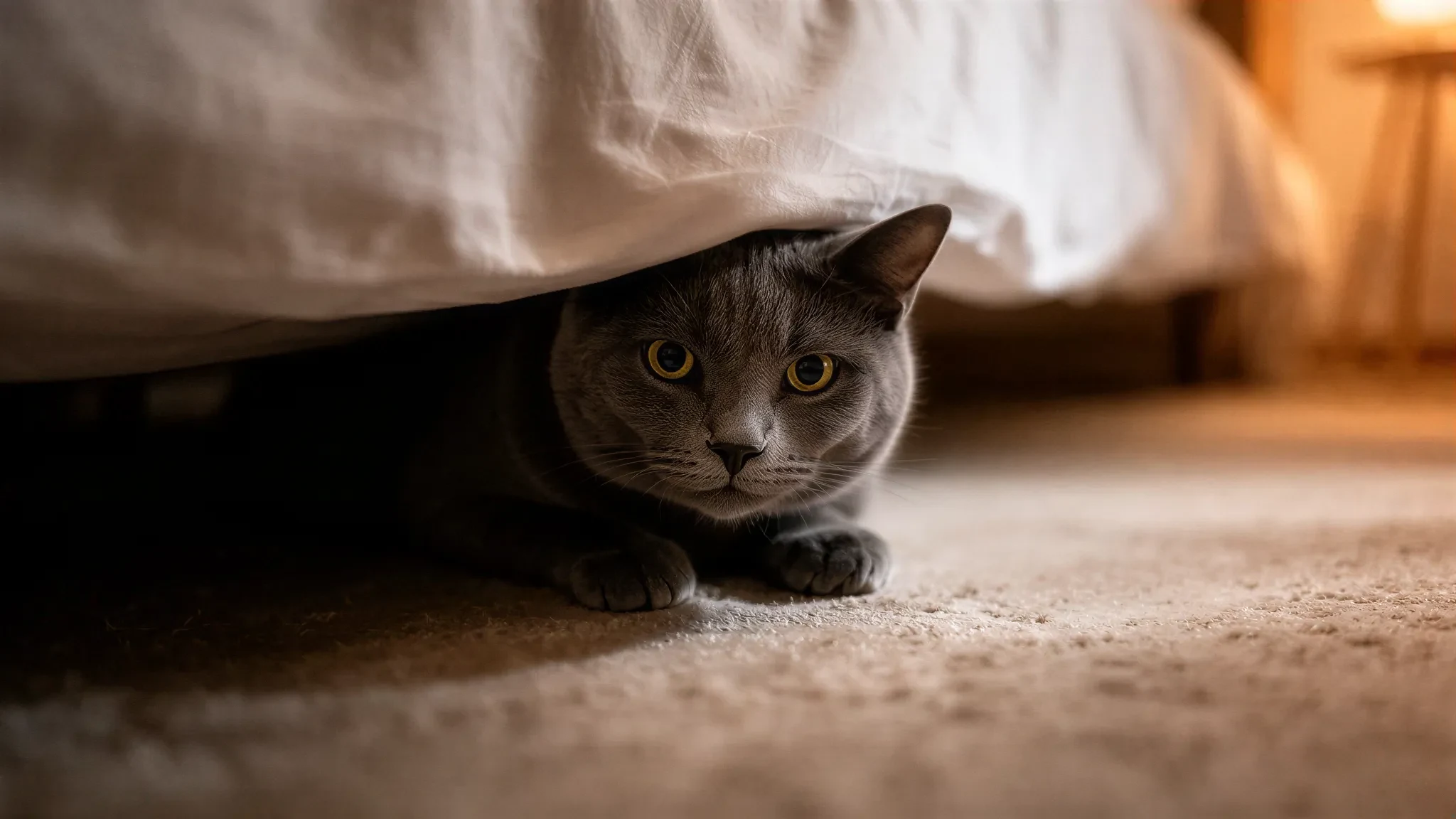
Cats hide for many reasons — some normal, some concerning. Hiding is natural cat behavior for resting, hunting, and feeling secure. However, excessive hiding can signal stress, illness, or environmental changes. Understanding why your cat hides helps you respond appropriately. This guide explains 8 common causes of cat hiding, when it’s normal, and when to see a vet.
Reason 1: Normal Resting Behavior
Cats sleep 12-16 hours daily and often choose hidden spots for rest. This is normal behavior that provides security and undisturbed sleep.
Normal hiding spots include under beds, in closets, inside boxes, and on high perches. Cats choose these spots because they feel secure and protected.
Cats who hide for rest are otherwise normal. They eat, drink, use the litter box, and interact normally when awake. They emerge for meals and play.
Provide acceptable hiding spots for your cat. Boxes, cat caves, and covered beds give your cat secure resting options. This reduces hiding in unwanted areas.
Reason 2: Hunting Instinct
Cats hide as part of their hunting sequence. They stalk prey from hidden positions before pouncing. This is natural behavior even for indoor cats.
Hunting hiding is active and focused. Your cat watches intently, tail may twitch, and body is low to the ground. This is different from fearful hiding.
Indoor cats hunt toys and shadows. Provide interactive play to satisfy hunting instincts. Wand toys, laser pointers, and puzzle feeders channel hunting behavior appropriately.
Create hunting opportunities for your cat. Hide treats around the house for scavenging. This satisfies hunting instincts without actual prey.
Reason 3: Stress and Anxiety
Stress is a common cause of excessive hiding. Changes in routine, new pets, visitors, or loud noises can trigger stress-related hiding.
Stress hiding is accompanied by other signs. Your cat may eat less, groom excessively, or avoid the litter box. They may seem tense or startled easily.
Identify and remove stressors when possible. Maintain consistent routines, provide safe spaces, and use pheromone products to reduce anxiety.
Provide safe hiding spots for stressed cats. Boxes, cat trees, and quiet rooms give your cat security. Don’t force interaction when your cat is stressed.
Reason 4: New Environment
New environments trigger hiding in cats. Moving to a new home, rearranging furniture, or introducing new items can cause temporary hiding.
New environment hiding is temporary. Your cat should gradually emerge as they become familiar with the surroundings. This process takes days to weeks.
Help your cat adjust to new environments. Keep them in a small room initially with all essentials. Gradually expand access as they become comfortable.
Maintain familiar items during transitions. Bring your cat’s bed, toys, and litter box to the new environment. Familiar scents provide comfort.
Reason 5: Illness or Pain
Illness and pain cause cats to hide. This is a survival instinct to protect themselves when vulnerable. Excessive hiding can be the first sign of health problems.
Illness hiding is accompanied by other symptoms. Your cat may eat less, drink more or less, vomit, have diarrhea, or show changes in litter box habits.
Monitor for other signs of illness. Check your cat’s temperature, appetite, and energy level. Contact your vet if you notice concerning symptoms.
See your vet for excessive hiding with other symptoms. Early detection and treatment improve outcomes. Don’t wait to see if symptoms resolve on their own.
Reason 6: Aging and Cognitive Decline
Senior cats may hide more due to aging and cognitive decline. Older cats sleep more and may seek quiet, hidden spots for rest.
Aging hiding is gradual and accompanied by other age-related changes. Your cat may seem confused, vocalize more at night, or have accidents outside the litter box.
Provide comfortable hiding spots for senior cats. Orthopedic beds, heated pads, and easy-access perches support aging cats.
See your vet for senior cats with new hiding behavior. Age-related conditions like arthritis, kidney disease, and cognitive dysfunction can be managed with proper care.
Reason 7: Multi-Cat Household Dynamics
Multi-cat households can trigger hiding due to competition and conflict. Cats may hide to avoid confrontations with other cats.
Multi-cat hiding is accompanied by resource guarding or aggression. Your cat may hide near food, water, or litter boxes to avoid other cats.
Provide adequate resources for all cats. One litter box per cat plus one extra, multiple feeding stations, and multiple resting spots reduce competition.
See a behaviorist for persistent multi-cat conflicts. Some cats need professional help to coexist peacefully. Don’t wait for injuries to occur.
Reason 8: Personality and Preference
Some cats naturally hide more due to personality. Shy, timid, or independent cats may prefer hidden spots even when comfortable.
Personality hiding is consistent over time. Your cat has always preferred hidden spots and is otherwise healthy and happy.
Respect your cat’s personality. Don’t force interaction if your cat prefers solitude. Provide acceptable hiding spots throughout your home.
Appreciate your cat’s individual preferences. Some cats are more social while others prefer independence. Both are normal and valid.
When to See a Vet
Urgent Signs
Hiding with not eating for 24+ hours needs immediate attention. Cats who don’t eat risk liver problems. This is especially urgent for overweight cats.
Hiding with difficulty breathing is an emergency. Labored breathing, open-mouth breathing, or blue gums require immediate veterinary care.
Hiding with collapse or inability to stand needs emergency care. This indicates serious systemic problems.
Hiding with unresponsiveness or difficulty waking is an emergency. Cats should wake easily for food or interaction. Unresponsive cats need immediate care.
Non-Urgent Signs
Gradual increase in hiding over weeks warrants a vet visit. Schedule an appointment to rule out medical causes. Blood work identifies underlying conditions.
Hiding with other symptoms needs evaluation. Changes in eating, drinking, litter box habits, or behavior accompanying hiding indicate problems.
Senior cats with new hiding should be evaluated. Age-related conditions often manifest as behavioral changes. Early detection improves outcomes.
Hiding that doesn’t improve with environmental changes needs professional help. If you’ve tried multiple solutions without improvement, consult your vet or a behaviorist.
Frequently Asked Questions
Is it normal for cats to hide?
Yes. Hiding is normal cat behavior for resting, hunting, and feeling secure. However, excessive hiding can signal problems.
How long is too long for a cat to hide?
Cats who hide for more than 24 hours without emerging for food, water, or litter box use need veterinary attention.
Should I pull my cat out of hiding?
No. Forcing your cat out of hiding increases stress. Provide acceptable hiding spots and let your cat emerge on their own.
Can stress cause cats to hide?
Yes. Stress is a common cause of excessive hiding. Changes in routine, new pets, visitors, or loud noises can trigger stress-related hiding.
Do all cats hide when sick?
Most cats hide when sick. This is a survival instinct to protect themselves when vulnerable. Excessive hiding can be the first sign of illness.
How do I help my cat stop hiding?
Provide acceptable hiding spots, maintain consistent routines, and reduce stressors. See your vet if hiding is excessive or accompanied by other symptoms.
Can I prevent my cat from hiding?
You can’t prevent hiding entirely as it’s natural behavior. However, you can provide acceptable hiding spots and reduce stressors that trigger excessive hiding.
Want to understand more cat behaviors? Read our Cat Stress Signs guide or explore Do Cats Get Lonely for social behavior insights.