
Purring
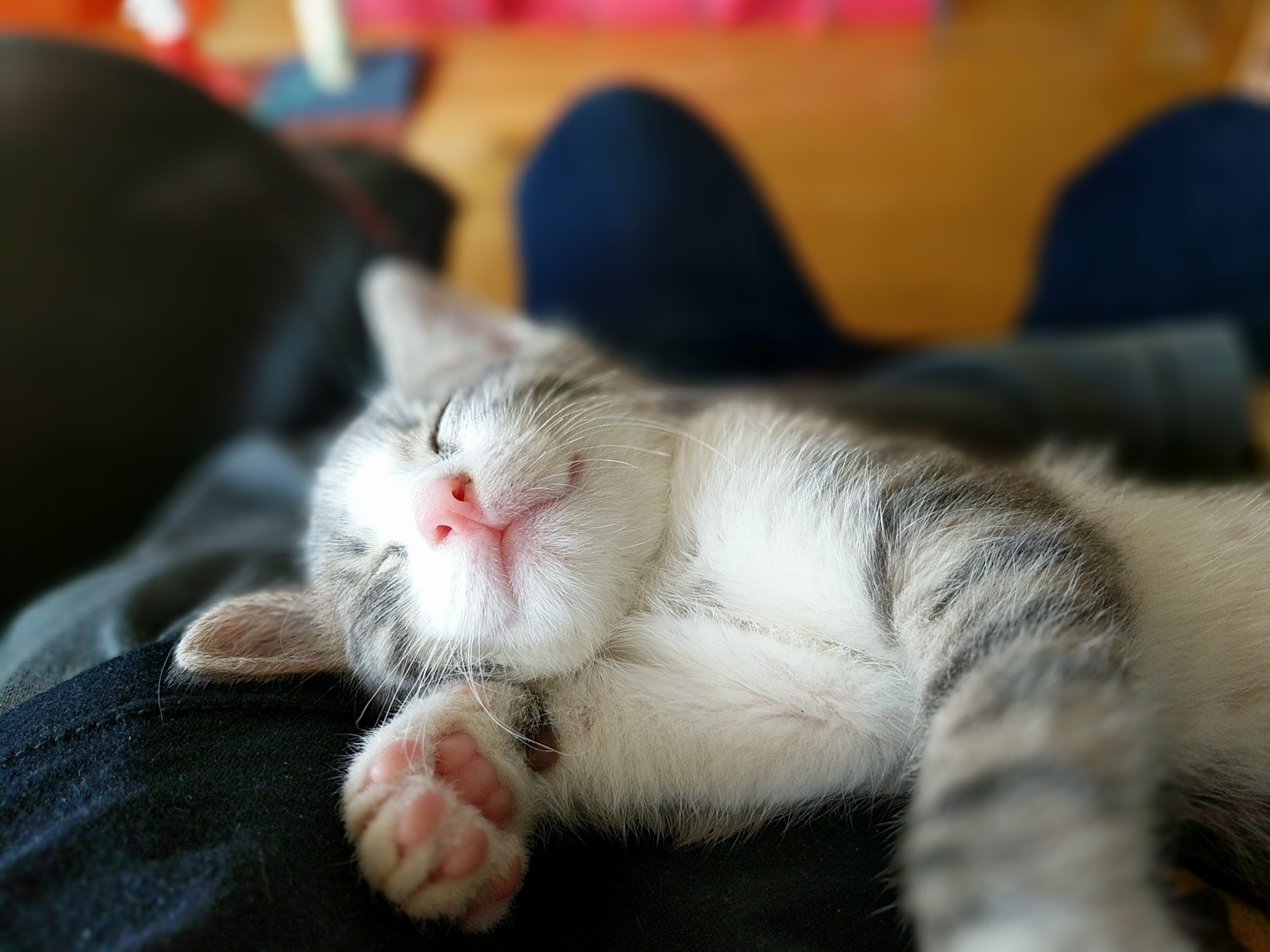
The Science Behind Purring
Have you ever wondered why cats purr? This gentle, rhythmic vibration is more than just a sign of contentment. Purring begins in a cat’s brain, where a neural oscillator sends signals to the laryngeal muscles. These muscles twitch rapidly, causing the vocal cords to vibrate during both inhalation and exhalation. The result is that iconic, calming hum.
Beyond communication, purring serves as a healing mechanism for cats. Studies suggest that the frequency of a cat’s purr, typically between 25 and 150 Hertz, can promote bone density and tissue repair. This self-soothing behavior helps cats recover from injury and reduce stress. Interestingly, purring also benefits humans. The act of petting a purring cat lowers blood pressure and releases feel-good hormones like oxytocin, deepening the bond between feline and owner. Whether it’s a kitten’s soft purr or the deep rumble of an older cat, this sound is a testament to the magic of feline companionship.