
Bengal vs Savannah: Which Wild-Looking Cat Is for You?
On this page (8 sections)
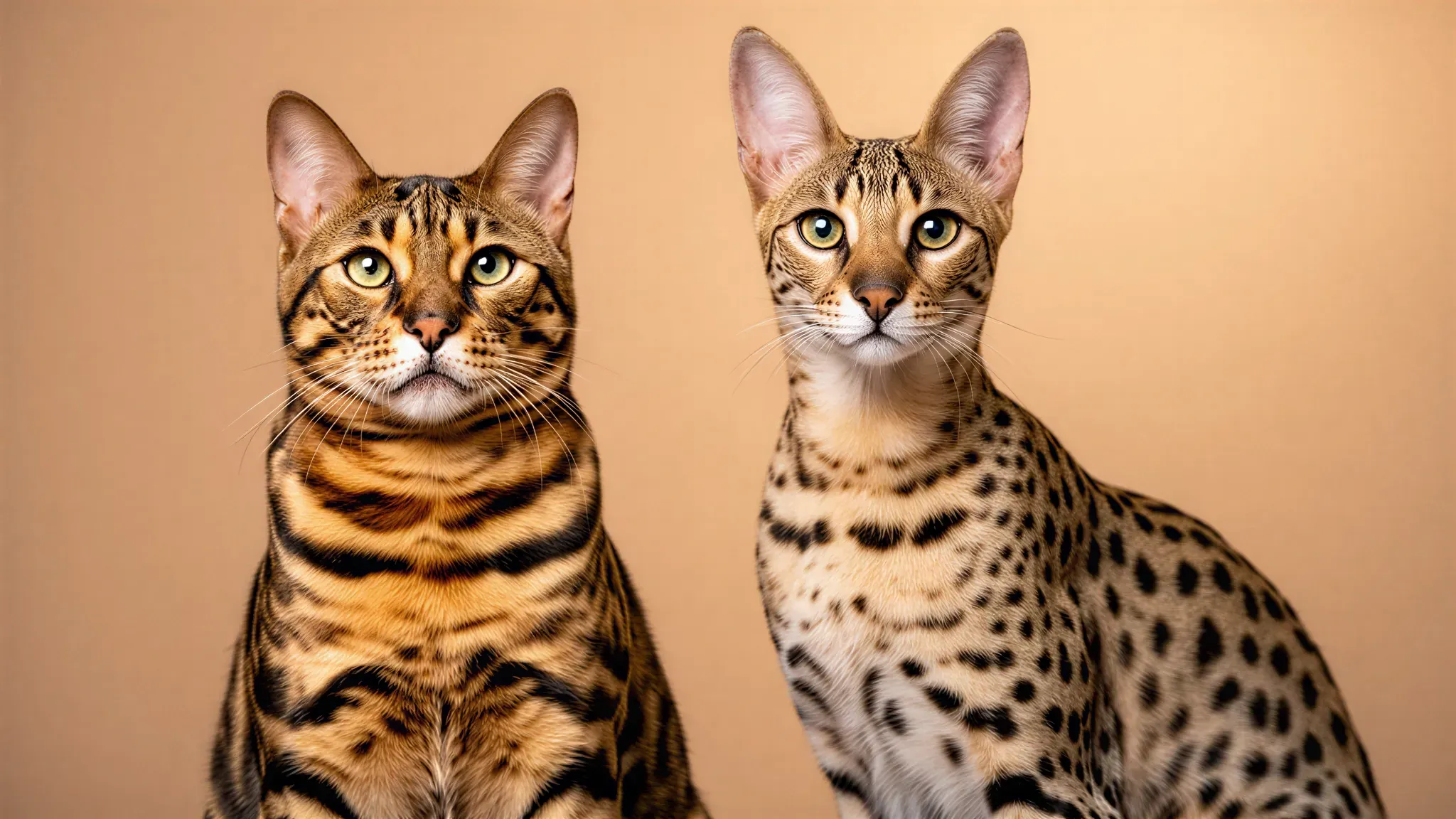
If you want a cat that looks like it walked straight out of the jungle, two breeds top the list: the leopard-spotted Bengal and the tall, exotic Savannah. Both are stunning, athletic, and intensely active — and both are a lot of cat. But they come from different wild ancestors and suit different homes. Here’s how they compare.
The Short Answer
Choose the Bengal if you want a strikingly-patterned, high-energy, playful cat that’s widely available, legal almost everywhere, and fits a normal (if very active) household. Choose the Savannah if you want the tallest, most dog-like, most exotic cat there is — and you can handle the higher cost, the space and stimulation it demands, and check your local laws first.
Side-by-Side Comparison
| Feature | Bengal | Savannah |
|---|---|---|
| Wild ancestor | Asian leopard cat | African serval |
| Size | Medium-large, 8–15 lb, muscular | Large-very large & tall; early generations 12–25 lb |
| Look | Leopard rosettes/marbling; glittered coat | Tall, lean, huge ears, bold spots |
| Energy | Very high | Very high to extreme (esp. early generations) |
| Personality | Playful, curious, athletic, water-loving | Dog-like, loyal, bold, athletic |
| Trainability | High; learns tricks, fetch | Very high; leash, fetch, dog-like |
| Availability | Widely available | Rarer, especially early generations |
| Cost | ~$1,000–$3,000 | ~$1,000 up to $20,000+ (F1) |
| Legal restrictions | Legal almost everywhere | Restricted/banned in some areas (esp. F1–F3) |
| Lifespan | 12–16 years | 12–20 years |
Appearance
The Bengal wears the most eye-catching pattern in the domestic cat world: leopard-like rosettes or marbling, often over a coat with a “glittered,” metallic sheen. It’s medium-large, muscular, and athletic — a compact, coiled jungle look.
The Savannah is defined by its height and elegance. Bred from the African serval, it’s the tallest domestic cat, with long legs, a lean body, and enormous ears. Early-generation Savannahs (F1, F2) can be strikingly large and wild-looking; later generations are more moderate but keep the exotic silhouette.
Personality and Energy
Both are not couch cats. The Bengal is playful, endlessly curious, and famously fond of water — it’ll join you in the shower and turn on faucets. It needs serious daily play and vertical space or it’ll invent its own (loud) entertainment.
The Savannah is even more dog-like: loyal, bold, and highly trainable, many learn to walk on a leash, play fetch, and follow their person everywhere. Early generations especially have big personalities and demanding energy. Neither breed suits someone who wants a calm, low-maintenance cat.
Generations, Cost, and Legality
This is where the Savannah gets complicated. Savannahs are graded by generation from the serval — F1 (closest) to F5+ (more domestic). Earlier generations are larger, wilder, far more expensive (an F1 can run $15,000–$20,000+), and restricted or outright banned in many states, countries, and cities. Later generations are cheaper and more widely allowed. Always check your local laws before committing to a Savannah.
Bengals are more straightforward: a few generations removed from the wild by now, they’re legal almost everywhere (with a handful of exceptions) and cost roughly $1,000–$3,000.
Care and Health
Both are short-coated and easy to groom with a weekly brush. Both need enormous enrichment — tall cat trees, puzzle feeders, interactive play, and ideally a feline or human companion who keeps up. Bengals can be prone to certain heart (HCM) and eye (PRA) conditions; responsible breeders screen for them. Savannahs are generally hardy. With either, buy from a reputable, health-testing breeder.
Final Verdict
Get a Bengal if you want a gorgeous, athletic, water-loving cat with a wild look, you can commit to lots of play, and you want a breed that’s widely available and legal where you live.
Get a Savannah if you want the tallest, most exotic, most dog-like cat around, you have the space, budget, and time for a very high-energy animal — and you’ve confirmed it’s legal in your area and chosen a generation that fits your experience.
Frequently Asked Questions
Which is bigger, a Bengal or a Savannah?
The Savannah — especially early generations (F1–F2), which are the tallest domestic cats and can reach 20+ pounds. Bengals are muscular but medium-large (8–15 lb).
Are Bengal and Savannah cats legal to own?
Bengals are legal almost everywhere. Savannahs are restricted or banned in some areas, particularly the earlier F1–F3 generations, so always check your state, country, and city laws first.
Which is more active?
Both are very high-energy, but early-generation Savannahs are the most demanding and dog-like. Bengals are intensely playful and love water. Neither is a good fit for someone wanting a calm cat.
Want to dig deeper? Read the Bengal guide and Savannah guide, or find a name in the cat name generator.
Written by Max
Max is a lifelong cat owner and runs CuteCatsHQ. Health and care guides are checked against the veterinary sources listed with each article.
Keep reading
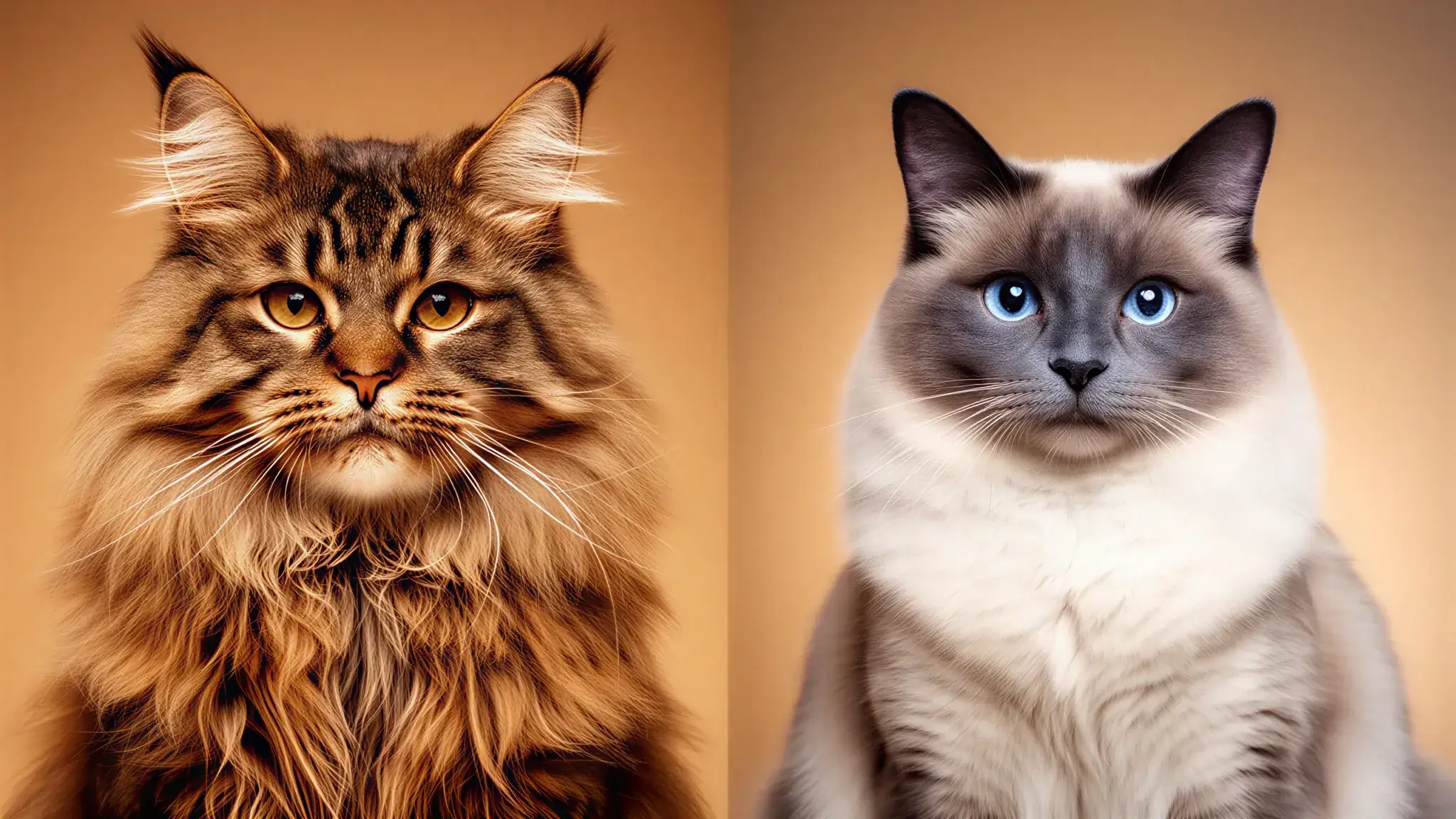
Maine Coon vs Ragdoll: Which Gentle Giant Is for You?
Maine Coon vs Ragdoll compared — size, personality, grooming, health, and which of these two big, affectionate breeds is the better fit for your home.
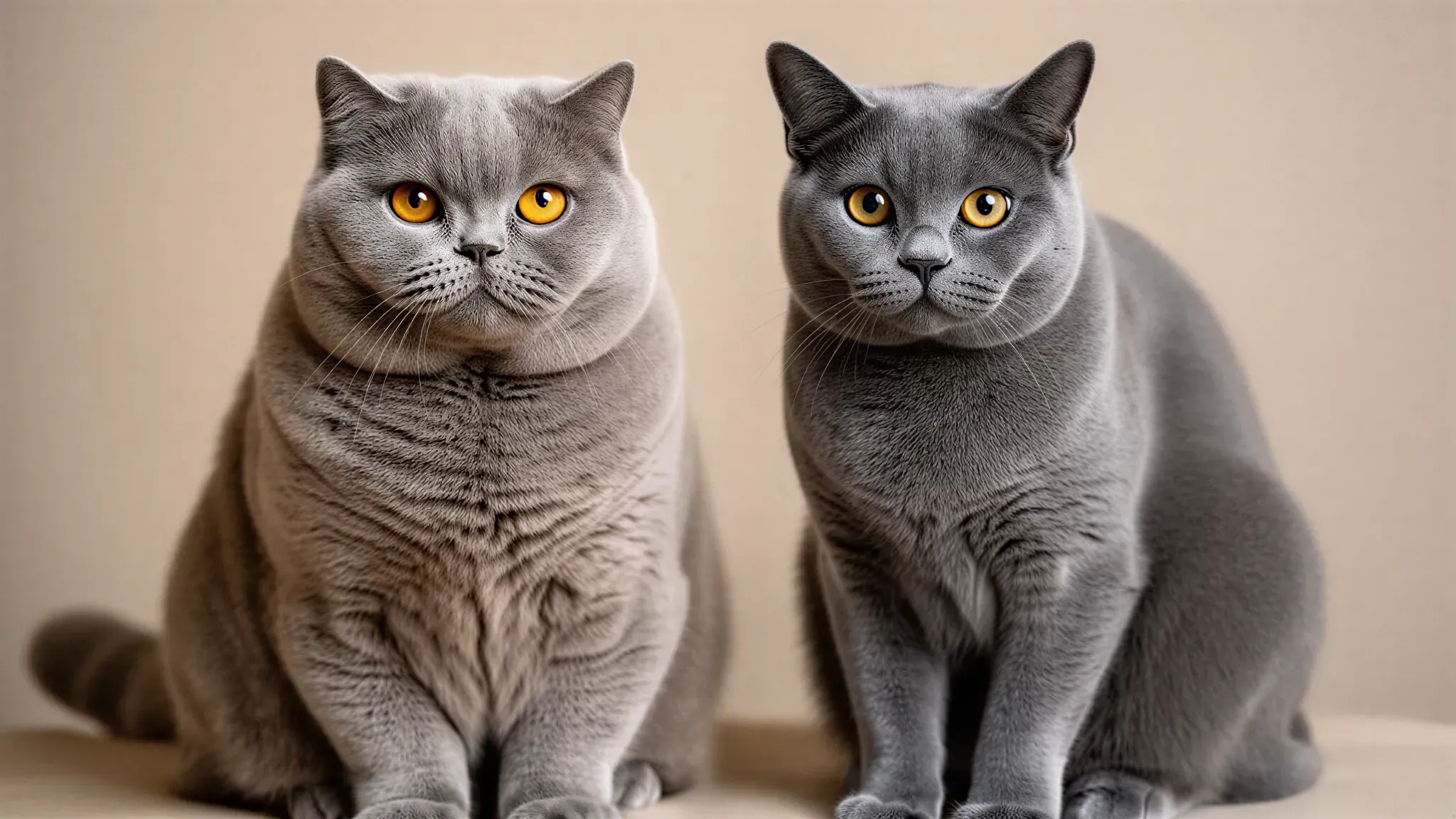
British Shorthair vs Russian Blue: Plush vs Silver
British Shorthairs are round, dense, and calm. Russian Blues are fine-boned, silver-tipped, and reserved with guests. Compare looks, temperament, and care.
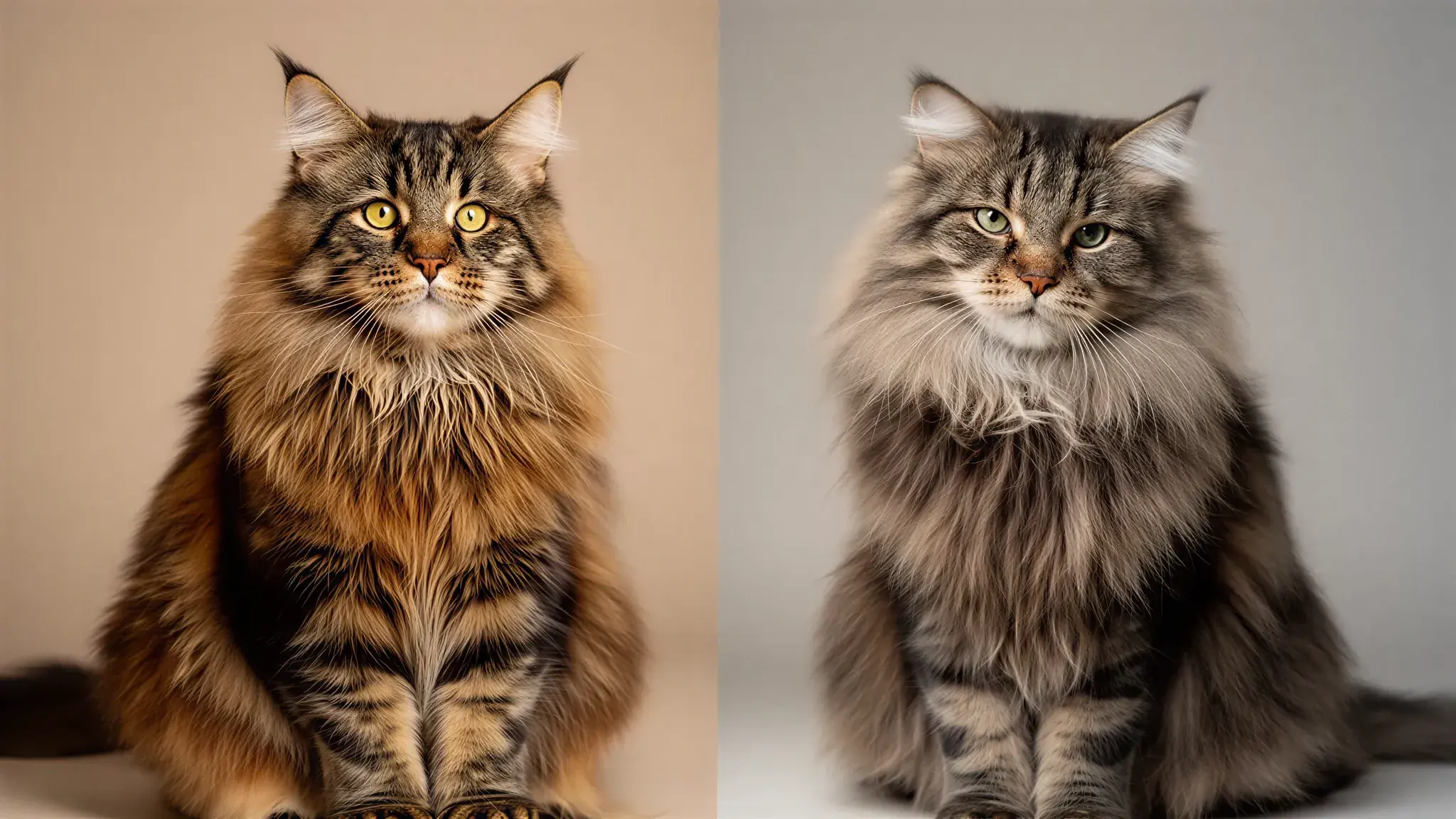
Maine Coon vs Norwegian Forest Cat: Social vs Quiet
Maine Coons are social and playful; Norwegian Forest Cats are quieter and more independent. Compare coat, size, health, and which large cat fits your home.