
Best Cat Litter: Clay, Crystal, and Plant Types
Updated
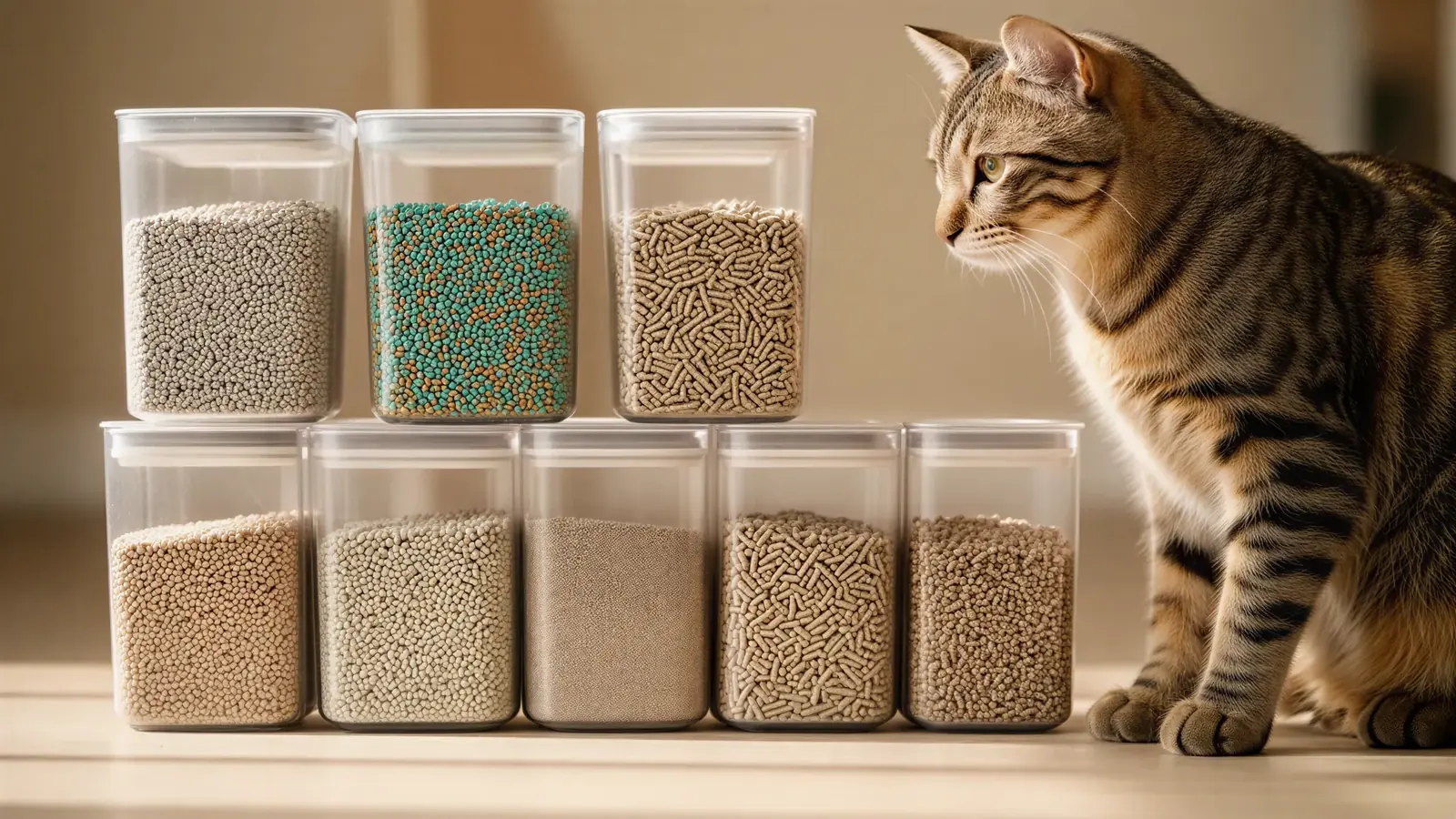
On this page (13 sections)
- Why the type matters more than the brand
- Who should skip which litter
- Types compared
- Clumping clay
- Non-clumping clay
- Silica crystal
- Plant clumping litters
- Pine pellets
- Paper pellets
- Automatic boxes are a type lock, not a litter
- How to switch without starting a strike
- When to see a vet
- Frequently Asked Questions
This article contains affiliate links. If you purchase through our links, we may earn a commission at no extra cost to you.
The litter that works is the one the cat will stand in and the one you will scoop. Cornell’s house-soiling guide starts most cats at unscented, finer-textured litter about one to two inches deep. The ASPCA’s litter-box problems page agrees and adds that most cats prefer clumping. This page is the buying decision those care guides do not make: clay versus crystal versus plant, and what to skip if you were shopping a scented “top ten.”
Why the type matters more than the brand
The arguments in a cat house are rarely about the logo on the bag. They are about dust in the hallway, a texture the cat hates, a sudden switch, or a box that had gone a day too long.
Cats have opinions about feel and smell. Cornell treats litter aversion as a real cause of house soiling, next to medical problems and location. The ASPCA puts the number at least 10% of cats developing some kind of elimination problem. That is not a reason to panic-buy a new formula every week. It is a reason to pick a type on purpose and then leave it alone if the cat is using it.
Odor control is mostly scooping. Fragrance is a cover. ASPCA general cat care already says scoop solids daily, wash the box at least weekly, and skip ammonia and lemon cleaners. A “24/7 odor” bag does not replace that.
Tracking and dust are household problems, not moral ones. Fine clay tracks. Pellets track less and sometimes get kicked like gravel. Crystal is light and still ends up in paws. Choose the mess you will actually live with.
If the cat has stopped using the box, stop shopping. That is why a cat is not using the litter box, and it starts with a veterinarian. This page compares substrate.
Who should skip which litter
Skip this whole page if the job is the pan, the lid, or where the box sits. That hardware and placement live on how to set up the litter box.
Skip a litter change if the cat already uses what you have and the box is clean. Rankings are not a reason to restart house-soiling.
Skip heavily scented clay if the cat already shakes paws or pees next to the box. Try unscented of the same type before you invent a new material.
Skip silica crystals if this cat refuses to walk on them. Texture aversion is not stubbornness. Offer a second box with clay beside it, the way the ASPCA suggests, and believe the one they use.
Skip “flushable” plant litter as a sanitation plan. Cornell’s toxoplasmosis page is about daily scooping, gloves, and another adult handling the box if someone is pregnant or immunocompromised. The toilet is not that protocol. Clay and crystal do not go in the toilet. Plant pellets labeled flushable are a plumbing and local-sewer question.
Skip an automatic box if you wanted a bag of litter. A self-cleaning box still needs clumping clay or crystal trays. That is a locked type, plus a machine. The box page is the hardware. This page is the litter.
Skip a kitten, senior, or “the hallway smells” deep-dive here. Those jobs already have owners: litter for kittens, seniors, and odor control. Pick the one that matches your problem instead of buying four bags because four pages exist.
Skip non-clumping clay as a default in a house that will not dump the whole box weekly. It is cheaper until it is a swamp.
Types compared
Pick the type, then a bag.
| Type | Job | Who it fits | Skip if |
|---|---|---|---|
| Clumping clay | Daily scoop, familiar sand feel | Most adult cats, the Cornell/ASPCA default | You will not scoop, or dust is a household problem you will not tolerate |
| Non-clumping clay | Cheap absorb-and-dump | A single cat you will fully change often | Multi-cat odor, or you thought “non-clumping” meant less work |
| Silica crystal | Low-dust, long intervals, light bag | Odor-sensitive rooms, travel weeks, some auto boxes | The cat hates the feel, or you wanted a biodegradable bag |
| Plant clump (corn, wheat, grass, tofu) | Biodegradable scoopable clumps | Owners who want plant material and will store it dry | Humid storage, or you assumed flushable meant any toilet |
| Pine pellets | Wood smell, low tracking, no traditional clump | People who already like pellet boxes | The cat wants fine sand, or you hate sweeping crumbled sawdust |
| Paper pellets | Dust-free, post-clinic or kitten-safe feel | After surgery, respiratory-sensitive homes | You expected clay-level odor control from recycled paper |
Walnut and other niche plant shells work like the plant clumps. They are a variation, not a category of their own.
Clumping clay
This is the default because it matches what most cats already learned as kittens: fine, unscented, scoopable. You remove the wet clump, add a little clean litter, and the box stays usable. The ASPCA prefers this type for most cats. Cornell’s depth is still one to two inches, not a half-full storage tote.
It is heavy. It is dusty if you dump it from two feet up. It is not biodegradable. It tracks. Those are real costs. They are not a reason to switch a cat who is happily using it.
Unscented matters more than “multi-cat” printed on the bag. If the house smells, scoop. If two cats share one box, add a box before you add baking-soda perfume. Conflict around the box is a resource problem, not a fragrance problem.
| Litter | Role |
|---|---|
| Dr. Elsey’s Ultra unscented | Fine clumping clay, no scent, the ordinary starting bag |
| Arm & Hammer Clump & Seal | Clumping clay with a different dust and scoop feel if Ultra is not this cat |
Those are two clay options, not two prices for the same bag. If Dr. Elsey’s already works, you do not need the second one.
Non-clumping clay
Non-clumping is a soak-up pad. Urine spreads. You scoop feces and you replace the whole box on a short cycle. It can be the right cheap answer for one cat if you actually dump it. It is a bad surprise in a three-cat apartment.
Some people use it for kittens who mouth everything, because clumping clay that gets eaten can be a problem. If a kitten is eating litter, call the veterinarian and use the kitten litter page instead of guessing.
Silica crystal
Crystal litter is sodium silicate beads. It drinks urine, holds odor in the bead, and stays light. Tracking is different from clay because beads bounce. Some cats walk on it like gravel and never complain. Some refuse the box the day you pour it.
It is not a plant. It is not for the toilet. Color-change “health” marketing is not a diagnosis. If urine looks wrong, call the veterinarian, whether the crystals changed color or not.
ScoopFree-style boxes are built around crystal trays. If you buy that machine, you bought this type. Do not pour clumping clay into a tray that was not designed for it and then blame the cat.
| Litter | Role |
|---|---|
| Ultra Pet micro crystals | A bag of silica for a regular pan, if the cat accepts the feel |
Subscription litters with color-change marketing are the same job with a monthly bill. If you want silica, a bag for a regular pan is usually simpler.
Plant clumping litters
Corn, wheat, grass, and tofu litters are plant material that forms a scoopable clump. The pitch is landfill and, sometimes, a flush label. The work is still daily scooping. Keep the bag sealed and dry; plant litter that sits open in a damp garage can absorb moisture and grow mold.
World’s Best is the best-known corn version. Grass seed litter exists as a finer plant clump, and wheat and tofu are the same family if you already have a bag the cat uses. If the cat likes the bag you bought, keep buying that bag.
Flushable on the package does not override your sewer utility. It does not replace Cornell’s daily scoop. If someone in the house is pregnant or immunocompromised, another adult scoops. Gloves and handwashing are the rest of that guidance.
| Litter | Role |
|---|---|
| World’s Best multi-cat | Corn clump for a household that wants plant material and still scoops |
| SmartCat grass seed | A finer plant clump if corn’s texture was the objection |
Pine pellets
Pine is compressed sawdust. Urine breaks the pellets down. You sift or dump. There is a wood smell some owners like and some cats walk around. It does not clump like clay. If you wanted a sand box, this is not it. If you wanted less tracking of fine dust, pellets can be the quieter floor.
Buy the pellet bag your hardware store actually stocks, or stay on clay. A pine pellet sold for animal bedding and one sold for cats are often the same wood.
Paper pellets
Recycled paper pellets are the post-clinic litter: low dust, odd feel, weaker odor control. Useful after surgery, for a cat with irritated airways, or as a temporary box. A long-term paper-only house usually smells like paper and ammonia unless you change it often.
| Litter | Role |
|---|---|
| Fresh News paper pellets | Dust-free pellets when clay dust or a clinic instruction is the point |
Automatic boxes are a type lock, not a litter
A self-cleaning box is still a litter decision. The machine either rakes clumping clay or it manages crystal trays. It does not make unscented optional. It does not skip extra boxes in a multi-cat home — that count still lives on litter box setup. The ASPCA notes that many cats accept cleaner automatic boxes, and that you should switch back to a regular pan if they start going beside it.
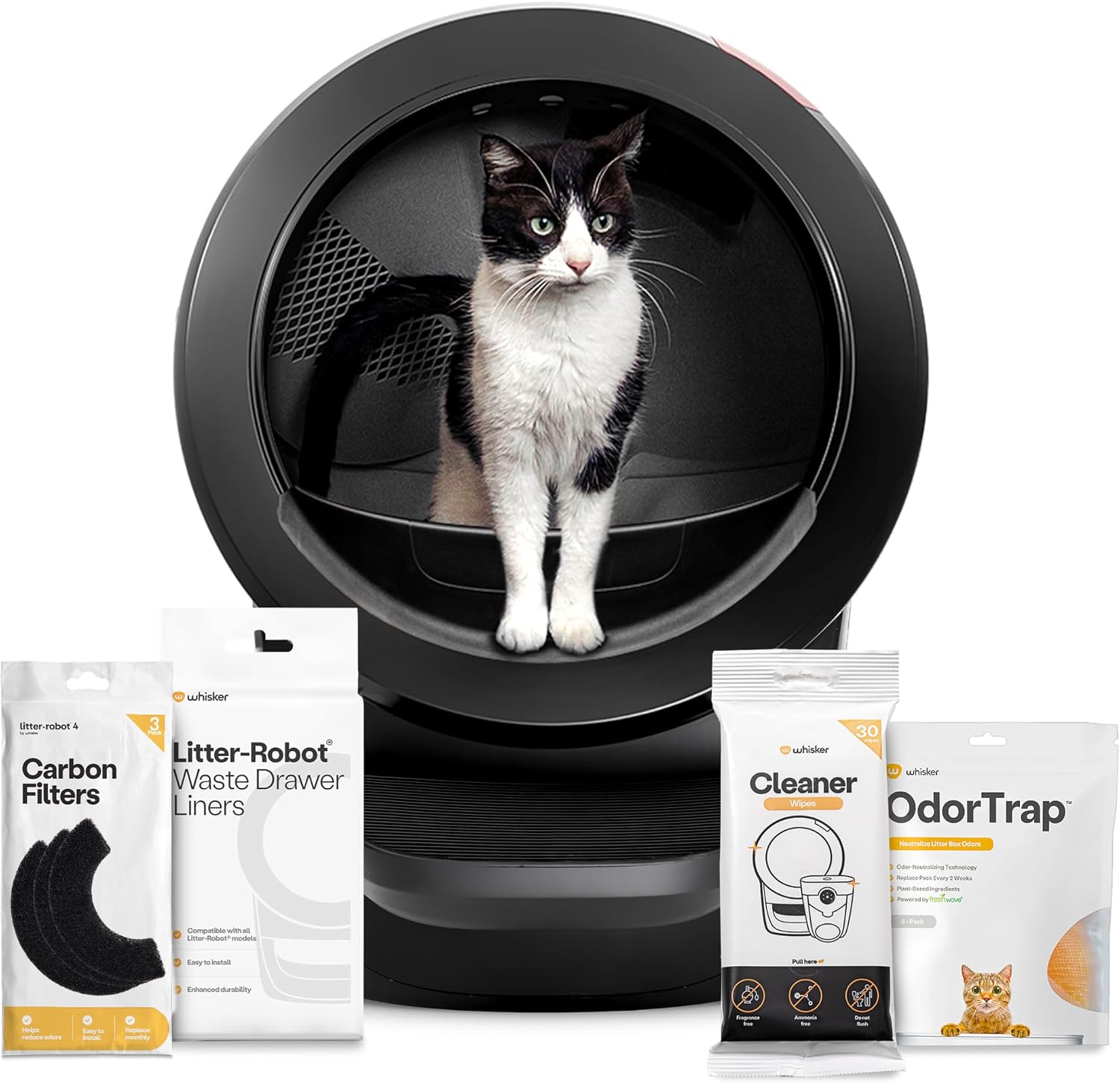
Clumping-clay machine
Litter-Robot 4
A globe that sifts clumping litter after the cat leaves. You still buy clay. You still empty a drawer. The app is extra, not a veterinarian.
- Uses clumping litter
- Not a crystal tray
- Multi-cat capacity is still n+1 logic
Buy this when scooping is the bottleneck and the cat already accepts clay. Skip it if you wanted a twenty-dollar bag.

Crystal-tray machine
PetSafe ScoopFree Crystal Pro
A rake box built around disposable crystal trays. You are choosing silica, plus refill trays, not "any litter."
- Crystal trays
- Lower gadget count than a globe
- Type is locked
Factor the trays. If the cat already refused crystals in a regular pan, this box will not convert them.
A clean open pan and a bag of unscented clumping clay is still a complete system. The machine is optional.
How to switch without starting a strike
Do not dump the old bag and pour the new one. Cornell says sudden brand changes are a classic way to create aversion. The ASPCA’s cleaner version of the same idea is two boxes side by side with two types, then keep the one they use.
If you are swapping inside the same type — unscented clay to a different unscented clay — mix over a week. Start mostly old, finish mostly new. If they perch on the rim, shake paws, or start using the bathtub, stop. Go back. Offer the old type in a second box.
Kittens often keep the texture they learned. That is an ASPCA observation, not a rule that adult cats can never change. It is a reason not to “upgrade” a working box because a list said plant is better.
A mat catches tracking. It is not litter. Buy a mat if clay is already the right type and the floor is the complaint.
When to see a vet
Straining, blood, many tiny trips, crying in the box, or a sudden stop after years of reliable use is medical until a veterinarian says otherwise. Cornell lists urinary inflammation, kidney and thyroid disease, diabetes, digestive pain, and mobility problems as reasons a cat cannot or will not use the box. Do not answer that with a new bag. If you notice any of these signs, consult your veterinarian. This article is for informational purposes and does not replace professional veterinary advice.
Frequently Asked Questions
What litter do most cats prefer?
Cornell’s house-soiling guide and the ASPCA both start at unscented, finer-textured clumping litter about one to two inches deep. That is a starting point, not a personality test. If this cat already uses a different texture and the box is clean, do not switch for a ranking.
Is scented or unscented litter better?
Unscented. Cats smell the box more clearly than you do. Fragrance is for the hallway, not for the cat. If the house still stinks, scoop more often or change the type. Do not pour perfume on a dirty box.
Can I flush cat litter?
Do not flush clay or crystal. Plant pellets sold as flushable are a plumbing and local-sewer question, not a hygiene shortcut. Cornell’s toxoplasmosis page says cat feces are not immediately infectious and that daily removal is the control. Another adult should scoop if someone in the house is pregnant or immunocompromised.
How often should I change the litter?
Scoop solids every day. The ASPCA says dump, wash, and refill at least weekly, and that you can go longer between full changes with clumping litter if you are actually scooping. Crystal trays last until they stop controlling odor, not until a calendar app pings. If the box smells from across the room, you are late.
Why is my cat avoiding the litter box?
Rule out a medical problem first. Cornell lists urinary disease, kidney and thyroid disease, diabetes, and pain as reasons a cat stops using the box. After a vet visit, the cause may still be the litter, the box, the location, or another cat. That troubleshooting lives on the not-using-the-box page. This page will not diagnose it.
How much litter should I put in the box?
About one to two inches. Cornell and the ASPCA both use that range. Three to four inches is extra weight the cat has to wade through. Too little leaves urine on the plastic. Add a scoop after you scoop, instead of filling the box like a sandbox.
Written by Max
Max is a lifelong cat owner and runs CuteCatsHQ. Health and care guides are checked against the veterinary sources listed with each article.
Keep reading
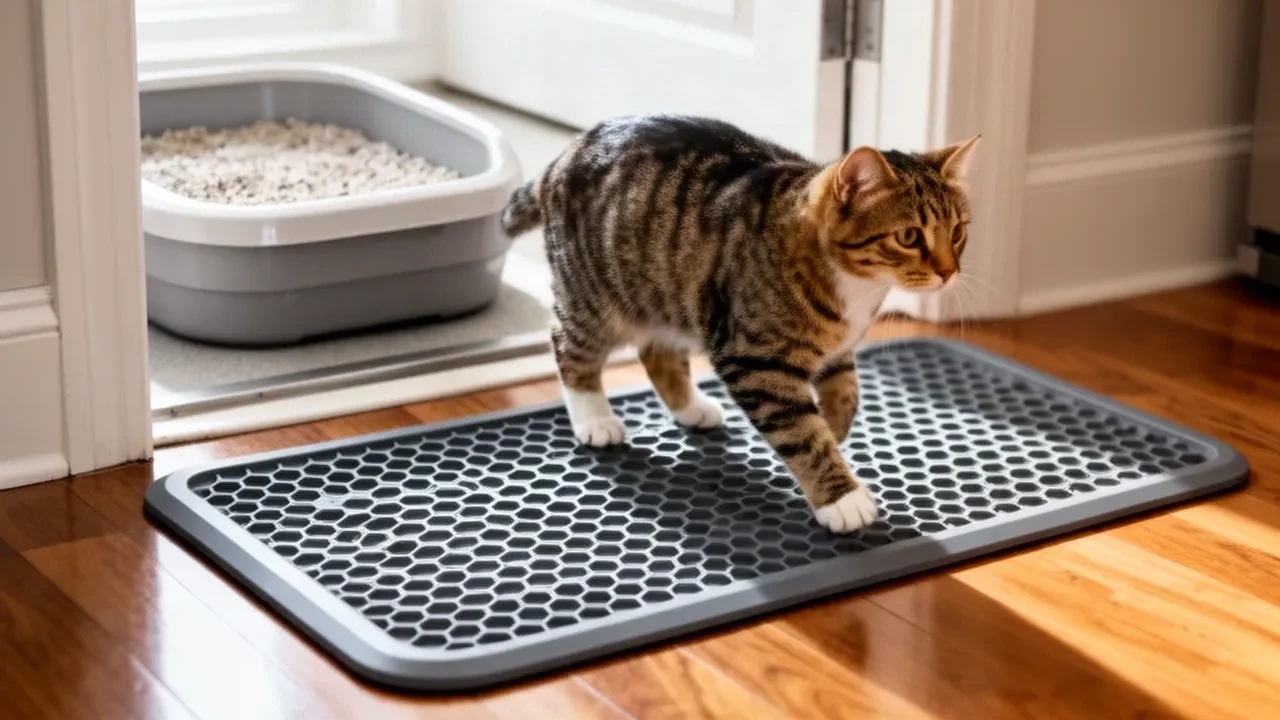
Best Cat Litter Mats for Tracking: Buying Guide
Stop litter scatter on hardwood and carpet with the best cat litter mats. Compare honeycomb, looped mesh, and silicone designs, sizing, and placement.
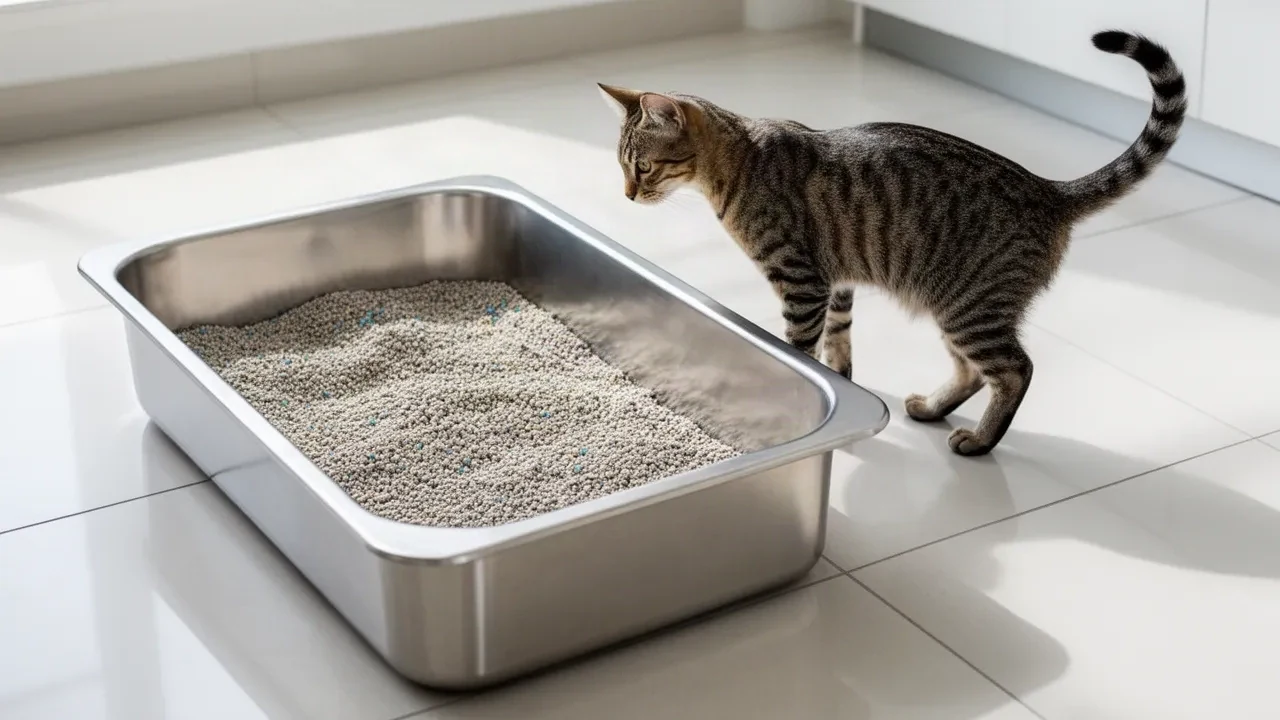
Best Cat Litter Boxes: Top High-Sided & XL Pans
Find the best cat litter boxes for messy cats, high sprayers, and large breeds. Compare stainless steel, top-entry, and open pans, plus sizing and placement.

Best Cat Litter for Multiple Cats (Buying Guide)
Tackle heavy traffic, broken clumps, and ammonia with our top heavy-duty multi-cat litters. Learn the N+1 box formula, monthly bulk costs, and FIC stress.