
How Much Does a Cat Cost? First-Year Budget Breakdown
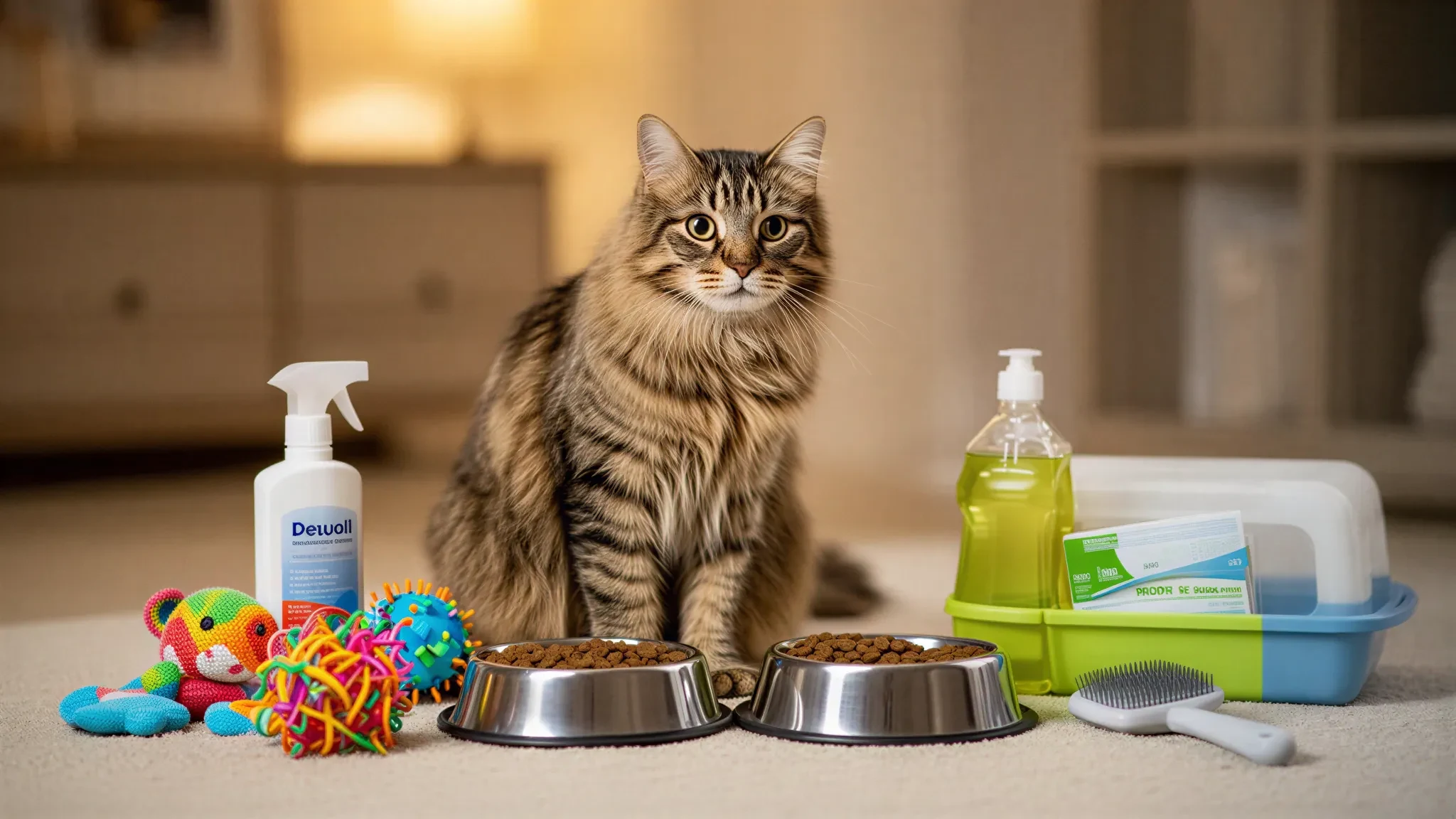
Owning a cat is rewarding but requires financial commitment. The first year of cat ownership costs $1,000-$3,500 depending on adoption versus purchase, health status, and lifestyle choices. Understanding these costs before bringing a cat home helps you budget appropriately and provide the best care. This guide breaks down all first-year cat expenses from initial costs to ongoing care, helping you plan financially for your new family member.
Initial One-Time Costs
Adoption or Purchase Fees
Adoption fees from shelters range from $50-$400 depending on age and location. Kittens typically cost more than adult cats. Adoption fees usually include spay/neuter, initial vaccines, and microchipping, providing significant value.
Breeder purchase prices vary widely by breed. Domestic cats from breeders cost $500-$1,500. Purebred cats range from $800-$3,000 or more for show-quality specimens. Rare or popular breeds command premium prices.
Rescue organization fees fall between shelter and breeder prices at $200-$600. These organizations often provide additional services like behavioral assessments and foster care. Cats are typically socialized and health-checked.
Consider total value when comparing costs. A $300 adoption including spay/neuter, vaccines, and microchip is better value than a $200 cat requiring $500 in additional services. Calculate total initial veterinary costs.
Essential Supplies
Food and water bowls cost $20-$50 for quality stainless steel or ceramic options. Plastic bowls are cheaper but harbor bacteria and may cause chin acne. Invest in quality bowls that last.
Litter boxes range from $15-$50 each. You’ll need 2-3 boxes for a single cat. Covered boxes cost more but contain odors better. Automatic self-cleaning boxes cost $100-$500 but reduce daily maintenance.
Initial litter purchase costs $30-$60 depending on type and quantity. Clumping litter is the easiest to scoop. Unscented varieties are best for kittens. Budget for ongoing monthly litter costs.
Cat carrier costs $30-$100 for basic models. Hard-sided carriers are durable and easy to clean. Soft-sided carriers are lighter for travel. Invest in a quality carrier you’ll use for years.
Initial Veterinary Costs
First vet visit costs $50-$100 for examination. This establishes care and identifies any health issues. Bring any records from shelter or breeder.
Vaccination series for kittens costs $100-$300 for the full series. FVRCP vaccines are given every 3-4 weeks until 16-20 weeks. Rabies vaccine is given at 12-16 weeks.
Spay/neuter costs $200-$600 if not included in adoption. Females cost more than males due to surgical complexity. Some shelters include this in adoption fees.
Microchipping costs $50-$100 if not included. This provides permanent identification. Registration fees may apply annually or as one-time charges.
Ongoing Monthly Costs
Food Expenses
Quality cat food costs $20-$60 monthly depending on brand and type. Premium foods cost more but may reduce veterinary costs long-term. Kittens need kitten-formulated food until 12 months.
Wet food costs more than dry but provides hydration benefits. Many owners feed combination of both. Wet food costs $40-$80 monthly while dry costs $15-$40 monthly.
Treats add $5-$20 monthly. Use treats for training and bonding. Don’t exceed 10% of daily calories from treats to prevent obesity.
Special dietary needs increase food costs. Prescription diets cost $50-$100 monthly. Cats with health conditions may require specific formulations.
Litter and Supplies
Litter costs $15-$30 monthly for one cat. Clumping litter is most economical. Crystal litters cost more but last longer. Multiple cats require more litter.
Litter box replacement costs $20-$50 annually. Boxes should be replaced yearly even with cleaning. Plastic harbors bacteria and odors over time.
Cleaning supplies add $5-$15 monthly. Litter scoops, box liners, and odor eliminators are ongoing expenses. Enzymatic cleaners are essential for accident cleanup.
Replacement toys and scratching posts cost $20-$50 monthly. Toys wear out and need replacement. Scratching posts last longer but eventually need replacement.
Preventive Care
Flea and tick prevention costs $10-$20 monthly for indoor cats. Outdoor cats need more comprehensive prevention. Year-round prevention is recommended regardless of season.
Heartworm prevention costs $5-$15 monthly. Indoor cats have lower risk but prevention is still recommended. Many products combine flea and heartworm prevention.
Annual wellness exams cost $50-$100. This includes physical examination and basic health screening. Senior cats may need more frequent exams.
Dental care costs vary widely. Home dental supplies cost $10-$30. Professional cleanings cost $300-$800 and may be needed annually for some cats.
Unexpected Costs
Emergency Veterinary Care
Emergency vet visits cost $100-$300 for examination alone. Treatment costs vary widely based on condition. Minor issues cost $200-$500 while serious conditions cost thousands.
Common emergencies include urinary blockages, poisoning, and trauma. Male cats are prone to urinary blockages costing $1,000-$3,000. Poisoning treatment costs $500-$2,000 depending on toxin.
Emergency fund of $1,000-$2,000 is recommended for cat owners. Pet insurance can help manage unexpected costs. Consider insurance before problems develop.
Health Conditions
Chronic conditions increase ongoing costs. Diabetes management costs $50-$150 monthly for insulin and monitoring. Kidney disease costs $50-$200 monthly for special diets and medications.
Dental disease is common and costly. Extractions cost $200-$800 per tooth. Full mouth extractions cost $1,500-$3,000. Regular dental care prevents expensive problems.
Allergies and skin conditions cost $50-$200 monthly for medications and special diets. These conditions often require lifelong management.
Cancer treatment costs vary widely. Chemotherapy costs $3,000-$10,000. Palliative care costs less but still significant. Pet insurance helps manage these costs.
Cost-Saving Strategies
Adoption Benefits
Adoption from shelters provides significant savings. Adoption fees include spay/neuter, vaccines, and microchip worth $500-$800. Shelter cats are often healthier than purchased cats due to veterinary screening.
Adult cats cost less than kittens initially. Adult cats are already spayed/neutered and vaccinated. They’ve outgrown destructive kitten behaviors.
Breed-specific rescues offer purebred cats at adoption prices. These organizations rescue and rehome specific breeds. You get breed characteristics at adoption costs.
Preventive Care Savings
Regular veterinary care prevents expensive problems. Annual exams catch issues early when treatment is less costly. Dental care prevents expensive extractions later.
Quality food reduces veterinary costs. Premium foods provide better nutrition and may prevent health issues. The higher upfront cost saves money long-term.
Weight management prevents obesity-related diseases. Obese cats develop diabetes, arthritis, and other conditions. Maintaining healthy weight saves thousands in treatment costs.
Insurance and Budgeting
Pet insurance costs $20-$50 monthly depending on coverage. Insurance helps manage unexpected costs. Enroll when cats are young and healthy for best rates.
Wellness plans spread veterinary costs over monthly payments. These plans cover routine care like vaccines and exams. They don’t cover emergencies but help budget routine care.
Emergency fund of $1,000-$2,000 provides financial cushion. Save monthly for unexpected expenses. This prevents difficult decisions during emergencies.
First Year Cost Summary
Minimum First Year Costs
Adoption fee: $100 Essential supplies: $200 Initial vet care: $300 Food and litter: $600 Preventive care: $200 Total minimum: $1,400
Average First Year Costs
Adoption fee: $200 Essential supplies: $400 Initial vet care: $500 Food and litter: $800 Preventive care: $300 Emergency fund contribution: $500 Total average: $2,700
Maximum First Year Costs
Breeder purchase: $2,000 Premium supplies: $800 Initial vet care: $800 Premium food and litter: $1,200 Comprehensive preventive care: $500 Emergency fund contribution: $1,000 Total maximum: $6,300
Frequently Asked Questions
What’s the cheapest way to get a cat?
Adoption from shelters is the most economical route. Adoption fees often include spay or neuter, initial vaccines, and a microchip. Adult cats usually cost less than kittens. Avoid buying from pet stores, where health and sourcing are harder to verify.
How much should I save for cat emergencies?
Plan on $1,000 to $2,000 set aside for emergencies. Pet insurance can supplement those savings, but it works best when you enroll a young, healthy cat. Keeping both a fund and a policy is the most protected option.
Are expensive cat foods worth it?
Quality food often reduces long-term vet costs because it supports steady weight and better nutrition. That does not mean the priciest bag wins; look for a complete diet your cat does well on and portion it correctly.
Can I afford a cat on a tight budget?
Yes, with planning. Adopt from a shelter, buy quality food in bulk, and keep up preventive care rather than skipping it. An emergency fund matters most, because a single blockage or poisoning can cost more than a year of routine care.
What costs do people underestimate?
Emergency and dental care surprise new owners most. Dental cleanings and extractions, prescription diets, and ongoing management of a chronic condition like diabetes or kidney disease add up quickly. Budget for them before they happen.
Is pet insurance worth it?
Pet insurance helps with sudden, large bills, and it is most valuable when enrolled young before a condition is diagnosed. Compare deductibles, reimbursement rates, and exclusions carefully, and weigh the monthly cost against a dedicated savings fund.
How do costs change after the first year?
Ongoing costs run roughly $800 to $1,500 per year once the one-time supplies and spay or neuter are behind you. Food, litter, and preventive care are the steady items, and emergency or aging-related care can land in any year.
Want more cat care guidance? Read our New Kitten Checklist for supply lists or explore the First-Time Cat Owner Guide for complete care information.