
How to Adopt a Cat: Step-by-Step Guide
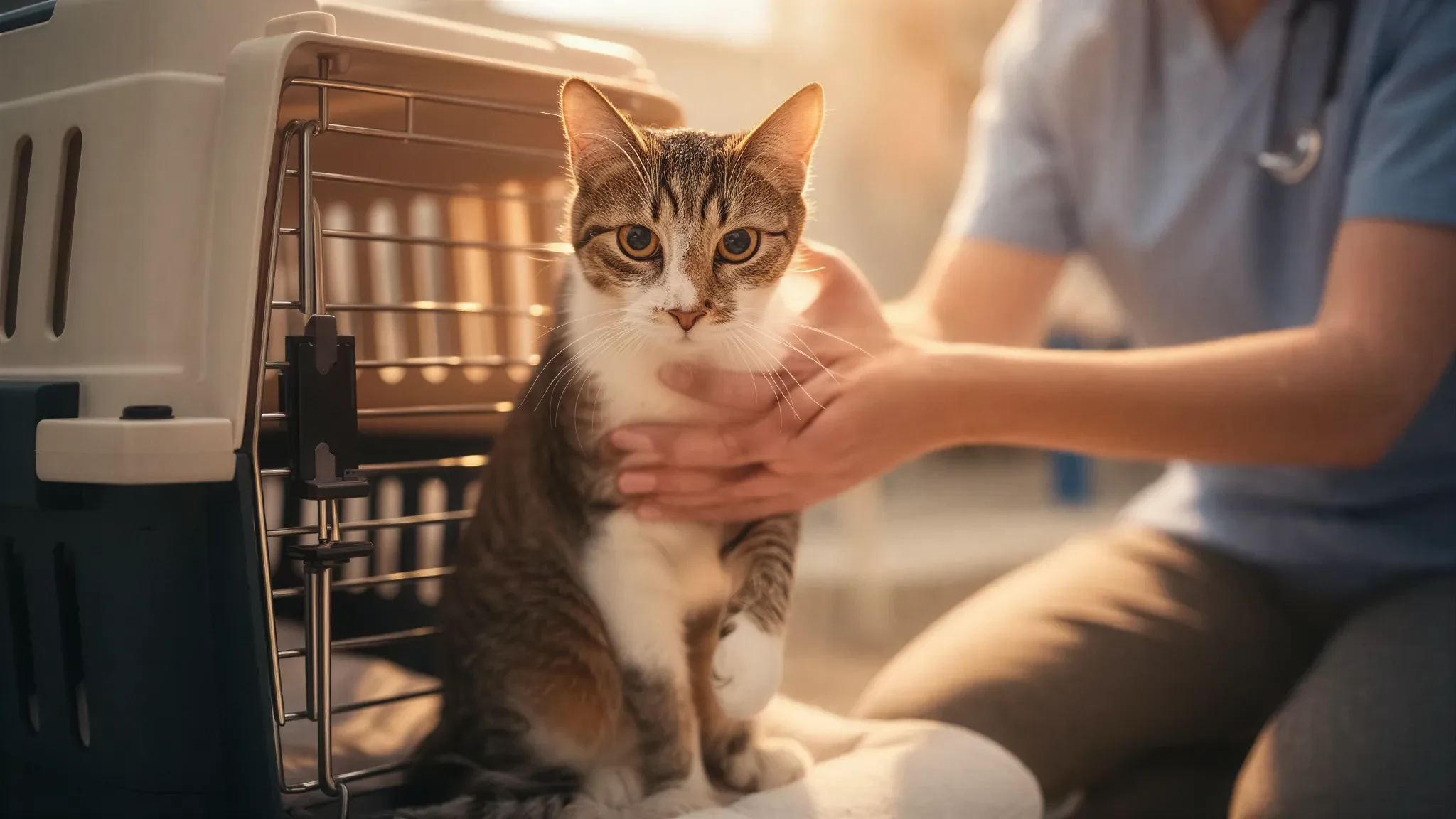
Adopting a cat is a rewarding experience that saves lives and provides wonderful companions. The adoption process varies by shelter but typically includes application, meet-and-greet, home check, and adoption fee payment. Understanding the process beforehand reduces stress and increases your chances of successful adoption. This complete guide walks you through every step of cat adoption, from finding the right cat to bringing them home and helping them adjust.
Why Adopt Instead of Buy?
Adoption saves lives. Shelters are overcrowded and underfunded. Every adoption frees space for another cat in need. Millions of cats are euthanized annually due to overcrowding. Your adoption directly prevents euthanasia.
Adoption costs less than purchasing from breeders. Adoption fees range from $50-$400 and typically include spay/neuter, vaccines, microchip, and health screening. These services alone cost $500-$800 if purchased separately. Adoption provides significant value.
Shelter cats are health-screened before adoption. Most shelters vaccinate, deworm, and test for FeLV/FIV. Health records are provided at adoption. You know your cat’s health status before bringing them home.
Adult shelter cats have established personalities. You can assess temperament before adoption. What you see is what you get with adult cats. This reduces uncertainty about personality and health.
Finding Cats Available for Adoption
Local Shelters
Search for shelters and rescue organizations in your area. Use terms like “animal shelter near me” or “cat rescue [your city].” Visit shelter websites to see available cats before visiting.
Call ahead to ask about adoption processes and requirements. Some shelters require appointments. Others accept walk-ins. Knowing requirements beforehand saves time.
Visit multiple shelters before deciding. Different shelters have different cats and policies. Finding the right match may require visiting several locations. Take your time to find the right cat.
Ask shelter staff about individual cats’ personalities and histories. Staff know the cats well and can recommend matches for your lifestyle. Be honest about your experience and expectations.
Online Resources
Petfinder.com is the largest online adoption database. Search by location, age, breed, and characteristics. The site includes photos and descriptions of available cats. You can save favorites and contact shelters directly.
Adoptapet.com is another comprehensive adoption resource. Search similar criteria to Petfinder. The site includes adoption success stories and resources for new adopters.
Shelter-specific websites often have more current information than aggregate sites. Check individual shelter websites for the most up-to-date available cats. Some shelters update their websites daily.
Social media pages for shelters feature adoptable cats. Many shelters post daily features of cats needing homes. Following local shelters on social media keeps you informed about new arrivals.
Breed-Specific Rescues
Breed-specific rescues save and rehome specific breeds. Search for “[breed] rescue [your area]” to find organizations. These rescues often have foster homes where cats live in family environments.
Breed rescues provide breed knowledge and support. They understand breed characteristics and can recommend matches. They often provide post-adoption support specific to breed needs.
Purebred cats are available through rescues. You can get breed characteristics while saving a life. Breed rescue cats are often adults with established personalities.
Breed rescues may have waiting lists for popular breeds. Patience may be required. The wait is worth it for the right match.
The Adoption Process
Step 1: Application
Adoption applications gather information about your home, lifestyle, and experience. Questions typically include housing type, other pets, children, work schedule, and veterinary history. Answer honestly to ensure good matches.
Applications may require references from veterinarians or landlords. Have contact information ready. Some shelters verify references before proceeding. This ensures cats go to appropriate homes.
Application fees range from $0-$50. Some shelters apply fees toward adoption if approved. Others charge separately. Ask about fees when submitting applications.
Processing times vary from same-day to several weeks. High-volume shelters may process quickly. Smaller rescues may take longer due to volunteer staff. Ask about expected timelines.
Step 2: Meet-and-Greet
Meet-and-greets allow you to interact with potential cats. Spend time in quiet rooms with cats you’re interested in. Watch how cats respond to you and your family members.
Bring family members who will live with the cat. All household members should meet potential cats. This ensures everyone is comfortable with the choice. It also helps cats adjust to all family members.
Ask about the cat’s history, personality, and any known issues. Shelter staff provide valuable information about individual cats. Ask about litter box habits, food preferences, and medical history.
Take your time during meet-and-greets. Don’t rush the decision. The right cat will feel like a good match. Trust your instincts about compatibility.
Step 3: Home Check
Some shelters require home checks before approval. Volunteers visit your home to ensure it’s safe and appropriate for cats. They check for hazards, secure windows, and adequate space.
Home checks are more common for breed rescues and some shelters. Many municipal shelters don’t require home checks. Ask about requirements when applying.
Prepare for home checks by cat-proofing your home. Remove toxic plants, secure cords, and store chemicals safely. Create a safe space for your new cat.
Home checks typically take 30-60 minutes. Volunteers answer questions and provide advice. They want adoptions to succeed, not to find reasons to reject applications.
Step 4: Adoption Fee and Paperwork
Adoption fees range from $50-$400 depending on age, location, and shelter type. Kittens typically cost more than adults. Senior cats often have reduced fees.
Fees typically include spay/neuter, initial vaccines, microchip, and health screening. Some shelters include additional services like deworming or flea treatment. Ask what’s included in your adoption fee.
Adoption contracts outline your responsibilities as an adopter. Contracts typically require providing veterinary care, keeping cats indoors, and returning cats to the shelter if you can’t keep them. Read contracts carefully before signing.
Payment methods vary by shelter. Most accept cash, credit cards, and checks. Some accept PayPal or other online payments. Ask about accepted payment methods beforehand.
Bringing Your Cat Home
Preparation Before Pickup
Purchase essential supplies before bringing your cat home. Food, water bowls, litter box, litter, carrier, bed, and toys are essential. Having everything ready reduces stress for your new cat.
Prepare a safe room for your cat’s first days. This room should have all essentials: food, water, litter box, bed, and toys. A smaller space helps cats adjust without becoming overwhelmed.
Cat-proof your home before arrival. Remove toxic plants, secure cords, and store chemicals safely. Kittens explore everything and can access surprisingly high places.
Inform family members about the new arrival. Establish rules about interaction, especially with children. Everyone should understand how to help the cat adjust.
The First Day
Keep your cat in their safe room for the first day. This allows adjustment without overwhelm. Spend quiet time in the room reading or talking softly. Let your cat approach you.
Maintain consistent feeding schedules. Feed at the same times daily. Cats thrive on routine. This also helps with litter box training and bonding.
Provide hiding spots in the safe room. Boxes, tunnels, and covered beds provide security. Cats feel safe when they can hide. Respect hiding time as part of adjustment.
Limit visitors during the first week. Your cat needs time to adjust to you and your home before meeting others. Gradual introductions reduce stress.
The First Week
Gradually expand your cat’s access to the home. Open the safe room door and allow exploration under supervision. Watch for hiding spots your cat chooses.
Introduce other pets slowly and carefully. Keep initial interactions brief and positive. Use baby gates for visual introduction before physical contact. Watch for stress signals.
Establish play routines. Schedule multiple short play sessions daily. Cats have bursts of energy followed by naps. Match your play schedule to your cat’s natural rhythm.
Maintain consistent routines for feeding and interaction. Predictability reduces stress. Cats thrive on routine. Establish patterns your cat can rely on.
Frequently Asked Questions
How long does the adoption process take?
The process can take same-day to several weeks depending on the shelter. Municipal shelters often process quickly. Breed rescues may take longer due to volunteer staff and home checks.
What questions are on adoption applications?
Applications ask about housing, other pets, children, work schedule, veterinary history, and cat experience. Answer honestly to ensure good matches.
Can I return a cat if it doesn’t work out?
Most shelters accept returns if placements don’t work. They want cats in good homes. Never abandon pets if placements don’t work out. Contact the shelter for support.
Are shelter cats healthy?
Most shelter cats are healthy and receive veterinary care before adoption. Shelters vaccinate, deworm, and health screen. Some cats have known health issues that are disclosed.
Can I adopt if I rent?
Yes, but you may need landlord approval. Some shelters verify rental agreements. Have landlord contact information ready. Some breeds may be restricted by landlords.
How much does adoption cost?
Adoption fees range from $50-$400 depending on age, location, and shelter. Fees typically include spay/neuter, vaccines, microchip, and health screening.
Should I adopt a kitten or adult cat?
Both have merits. Kittens are playful but require more work. Adult cats have established personalities and are often litter trained. Choose based on your lifestyle and preferences.
Want more adoption guidance? Read our Adopting vs. Buying from a Breeder comparison or explore New Kitten Checklist for first-time owner information.