
Adopting vs. Buying from a Breeder: Which Is Right for You?
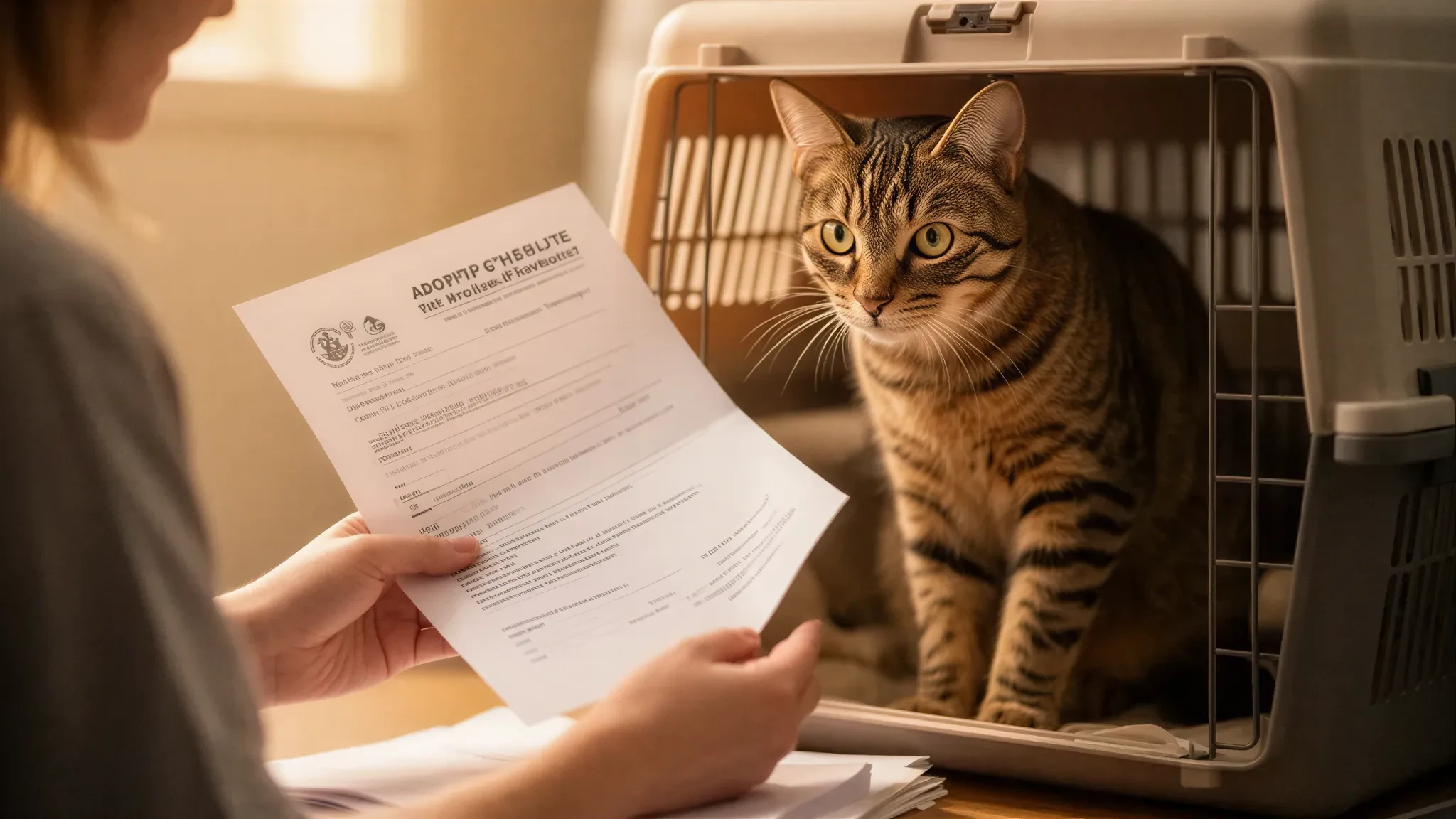
Choosing between adopting from a shelter and buying from a breeder is one of the first decisions new cat owners face. Both options have merits depending on your priorities, lifestyle, and budget. Adoption saves lives and costs less upfront. Breeding provides predictable traits and early life history. This guide compares both options across cost, health, personality, ethics, and practical considerations to help you make the right choice for your situation.
Cost Comparison
Adoption Costs
Shelter adoption fees range from $50-$400 depending on age and location. Kittens typically cost more than adult cats. Senior cats often have reduced fees to encourage adoption.
Adoption fees typically include significant value: spay/neuter ($200-$600 value), initial vaccines ($100-$300 value), microchip ($50-$100 value), and health screening. The actual services included often exceed the adoption fee.
Additional costs after adoption may include a vet visit ($50-$100), additional vaccines if needed, and any unexpected health issues. Budget an additional $200-$500 for initial setup.
Total first-year cost for adopted cats: $500-$1,500 including adoption fee, supplies, vet care, and food. This is significantly less than breeder purchase.
Breeder Costs
Breeder purchase prices vary widely by breed. Domestic cats from breeders cost $500-$1,500. Purebred cats range from $800-$3,000 or more for show-quality specimens. Rare or popular breeds command premium prices.
Breeder prices may include some initial care: first vaccines, health screening, sometimes spay/neuter. However, many breeders sell kittens before spay/neuter, adding $200-$600 to your costs.
Additional costs after purchase include a vet visit ($50-$100), remaining vaccine series ($100-$300), spay/neuter if not included ($200-$600), and microchip ($50-$100).
Total first-year cost for breeder cats: $1,500-$5,000 including purchase price, supplies, vet care, and food. This is 2-4 times the cost of adoption.
Long-Term Financial Considerations
Ongoing costs are similar regardless of source. Food, litter, preventive care, and routine vet visits cost the same. The initial cost difference is the main financial factor.
Purebred cats may have breed-specific health issues requiring specialized care. This can increase long-term veterinary costs. Research breed health concerns before purchasing.
Mixed-breed cats from shelters may have unknown health histories, which cuts both ways: no closed-registry risk, but also unknown parents. Many shelter cats prove remarkably healthy, and a mixed cat is not automatically healthier or sicker than a purebred. The individual cat, its history, and routine veterinary care matter more than the label.
Pet insurance costs are similar regardless of source. Premiums are based on age, breed, and location. Enroll when cats are young for best rates.
Health Considerations
Shelter Cat Health
Shelter cats receive health screening before adoption. Most shelters vaccinate, deworm, and test for FeLV/FIV. Health records are provided at adoption.
Adult shelter cats have established health histories. You know the cat has reached adulthood without major issues. This reduces uncertainty about genetic problems.
Some shelter cats come with known health issues. Many shelters are transparent about conditions and provide support. Adopting special needs cats can be rewarding.
Unknown history is the main health uncertainty. You may not know the cat’s early life, parents, or genetic background. This is the trade-off for lower cost.
Breeder Cat Health
Reputable breeders health test breeding stock. They screen for breed-specific genetic conditions. This reduces risk of inherited health problems.
Breeder cats come with health guarantees. Reputable breeders guarantee cats against genetic conditions for specified periods. This provides financial protection.
Early life history is known with breeders. You know the parents, birth conditions, and early care. This information helps predict health and personality.
Breed-specific health issues remain a concern. Even with testing, some conditions can’t be fully eliminated. Research breed health concerns thoroughly.
Veterinary Care Needs
Both shelter and breeder cats need the same routine care: vaccines, preventive care, dental care, and annual exams. Source doesn’t affect routine care requirements.
Shelter cats may need catch-up care if records are incomplete. Budget for additional vaccines or treatments. This is usually minor compared to adoption savings.
Breeder kittens need complete vaccine series. If sold before 16 weeks, you’ll need to complete the series. Factor this into total cost.
Senior cats from shelters may need more immediate veterinary attention. Age-related conditions may already be present. Consider this when adopting seniors.
Personality and Temperament
Shelter Cat Personalities
Adult shelter cats have established personalities. You can assess temperament before adoption. What you see is what you get.
Shelter staff know individual cats well. They can match cats to your lifestyle and preferences. This personalized matching increases adoption success.
Mixed-breed cats vary as much in temperament as any other cat. They can inherit traits from multiple lines, but that produces a range of personalities rather than a predictable blend. An adult with a known history is the most reliable guide.
Some shelter cats have trauma histories affecting behavior. Patience and understanding help these cats adjust. Many overcome past difficulties with love and time.
Breeder Cat Personalities
Breeder cats have predictable temperaments based on breed. Research breed characteristics to match your lifestyle. Personality is more predictable than with mixed breeds.
Early socialization is controlled by breeders. Reputable breeders socialize kittens properly. This sets kittens up for success in new homes.
You can meet parent cats to assess temperament. Personality has genetic components. Meeting parents provides insight into kitten’s future personality.
Breed-specific traits are reliable predictors. Siamese are vocal, Persians are calm, Abyssinians are active. Choose breeds matching your preferences.
Matching to Your Lifestyle
Active households may prefer playful kittens or social breeds. Shelter staff can recommend energetic cats. Breeders can suggest active breeds like Abyssinians or Bengals.
Quiet households may suit adult cats or calm breeds. Shelter staff can recommend laid-back cats. Breeders can suggest calm breeds like Persians or British Shorthairs.
Families with children need patient, tolerant cats. Shelter staff can identify child-tested cats. Breeders can suggest family-friendly breeds like Ragdolls or Maine Coons.
First-time owners may prefer adult cats with known personalities. Kittens require more work regardless of source. Adult cats provide certainty.
Ethical Considerations
Adoption Ethics
Adoption saves lives. Shelters are overcrowded and underfunded. Every adoption frees space for another cat in need.
Adoption doesn’t support puppy/kitten mills. Commercial breeding operations prioritize profit over welfare. Adoption avoids supporting these operations.
Special needs cats particularly benefit from adoption. These cats are hardest to place. Providing homes for special needs cats is especially rewarding.
Adoption promotes responsible pet ownership. Shelters screen adopters and provide education. This reduces return rates and improves outcomes.
Breeder Ethics
Reputable breeders preserve breed characteristics. They maintain breed standards and health. Responsible breeding preserves feline diversity.
Reputable breeders take responsibility for their cats. They accept returns if placements don’t work. They ensure cats never enter shelters.
Breeder cats are never spayed/neutered before sale by ethical breeders. This prevents unauthorized breeding. Pet-quality cats are sold with spay/neuter contracts.
Avoid pet stores and online marketplaces. These often source from mills. Reputable breeders don’t sell through third parties.
Making Ethical Choices
Research breeders thoroughly before purchasing. Ask about health testing, socialization, and contracts. Visit facilities if possible.
Consider fostering before adopting. Fostering saves lives without permanent commitment. Many fosters become adopters.
Support breed-specific rescues for purebred preferences. These organizations rescue and rehome specific breeds. You get breed characteristics while saving a life.
Never support irresponsible breeding. Avoid breeders who don’t health test, overbreed, or sell through pet stores. Your choices affect animal welfare.
Practical Considerations
Time and Availability
Shelter cats are available immediately. No waiting lists or breeding schedules. You can adopt and bring home the same day.
Breeder kittens often have waiting lists. Popular breeds may have months-long waits. Plan ahead if you want a specific breed.
Shelter adoption processes vary. Some shelters have same-day adoption. Others require applications and home visits. Ask about processes before visiting.
Breeder processes include applications and contracts. Reputable breeders screen buyers carefully. This ensures good matches but takes time.
Age Options
Shelters have cats of all ages. Kittens, adults, and seniors are available. You can choose the age that fits your lifestyle.
Breeders primarily sell kittens at 8-12 weeks. Some breeders have adult cats available occasionally. Kittens are the main option from breeders.
Adult cats from shelters are often overlooked. These cats make excellent pets. They’re past the destructive kitten phase and have established personalities.
Senior cats from shelters need homes particularly. They’re often euthanized due to age. Adopting seniors is especially rewarding.
Support and Resources
Shelters provide post-adoption support. Many offer training resources and behavior help. Some provide trial periods to ensure good matches.
Reputable breeders provide lifelong support. They answer questions and provide guidance. They’re resources throughout your cat’s life.
Both sources provide health records. Shelters provide vaccination and health screening records. Breeders provide health guarantees and genetic testing records.
Local rescue groups provide community support. Many offer resources for adopters. Join local cat owner groups for additional support.
Making Your Decision
Choose Adoption If
You want to save a life and help reduce shelter overcrowding. Every adoption makes space for another cat in need.
Budget is a primary consideration. Adoption costs significantly less than purchasing from breeders.
You prefer adult cats with established personalities. What you see is what you get with adult shelter cats.
You’re open to mixed-breed cats. Mixed breeds often have fewer genetic health problems and unique personalities.
Choose a Breeder If
You want a specific breed with predictable traits. Breed characteristics are reliable predictors of appearance and personality.
You need a kitten for your lifestyle. Breeders primarily sell kittens while shelters have all ages.
You want known health and genetic history. Breeders provide health testing and family history.
You’re prepared for the higher cost. Breeder cats cost 2-4 times more than adoption.
Frequently Asked Questions
Are shelter cats healthy?
Most shelter cats are healthy and receive veterinary care before adoption. Shelters vaccinate, deworm, and health screen. Some cats have known health issues that are disclosed.
Why are purebred cats in shelters?
People surrender purebred cats for many reasons: moving, allergies, behavior issues, life changes. Breed-specific rescues help rehome these cats.
Can I get a kitten from a shelter?
Yes, shelters have kittens especially during kitten season (spring-fall). Kittens are adopted quickly, so check frequently.
Are breeder cats healthier than shelter cats?
Not necessarily. Reputable breeders health test their lines, while mixed-breed cats avoid closed-registry risk but often have unknown parents. Both sources can provide healthy cats, and both can produce health problems.
What questions should I ask a breeder?
Ask about health testing, socialization, contracts, and health guarantees. Ask to meet parent cats. Visit facilities if possible.
Can I return a cat if it doesn’t work out?
Shelters and reputable breeders typically accept returns. They want cats in good homes. Never abandon pets if placements don’t work.
Is adopting better than buying?
Both are valid choices depending on your needs. Adoption saves lives and costs less. Breeding provides predictability. Choose what’s right for your situation.
Want more adoption guidance? Read our How to Adopt a Cat guide or explore New Kitten Checklist for first-time owner information.