
Munchkin Cat: The Short-Legged Cat That Stands Up
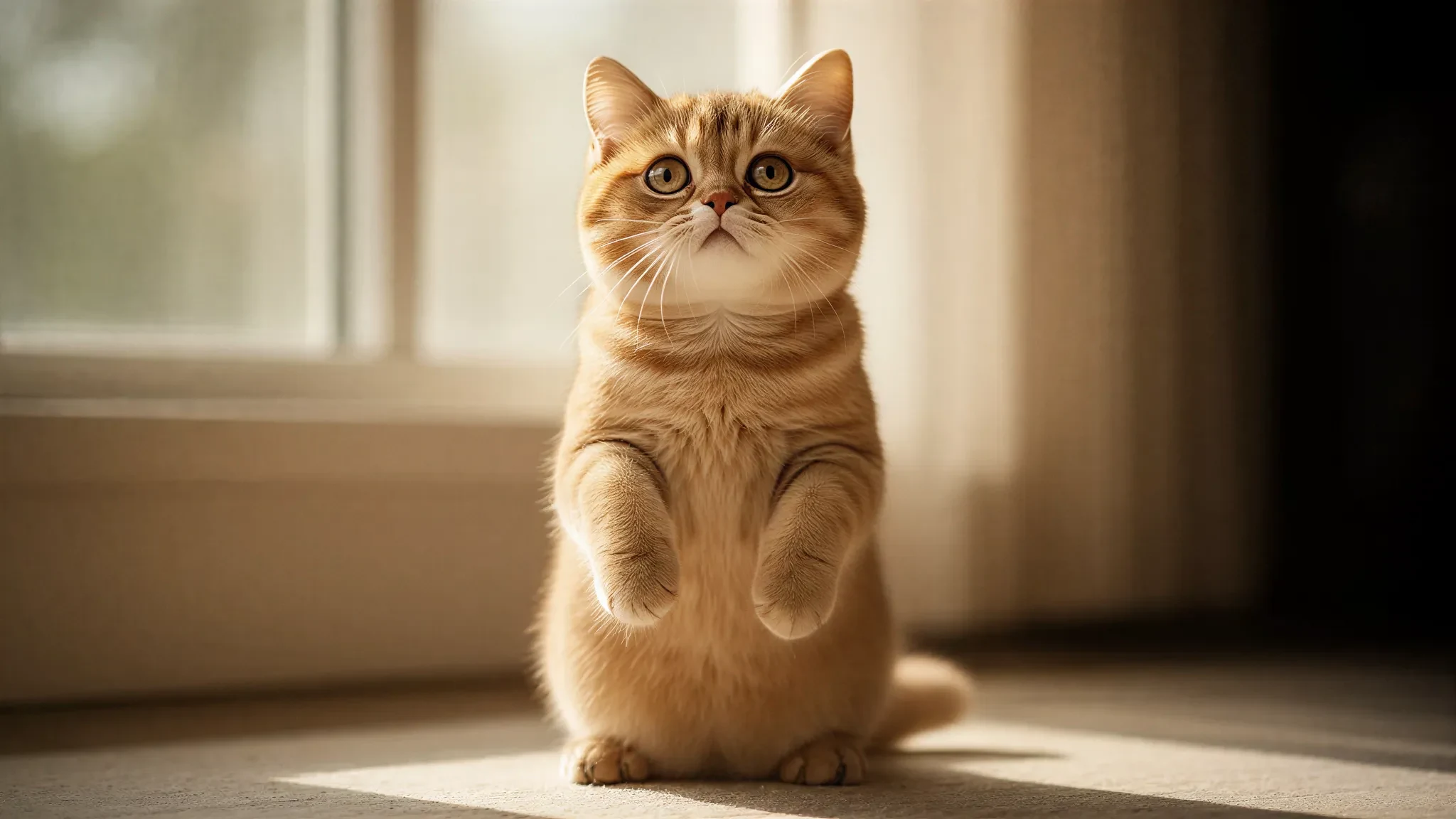
You’ve almost certainly seen the photo: a cat popped up on its hind legs like a tiny meerkat, front paws dangling, surveying the room. That’s a Munchkin — the short-legged cat that stands. Munchkins are playful, affectionate, and full of personality, but they also sit at the center of a real welfare debate. Here’s an honest guide to the breed: why they stand, where the short legs come from, the controversy, and what living with one is actually like.
Why Munchkin Cats Stand Up
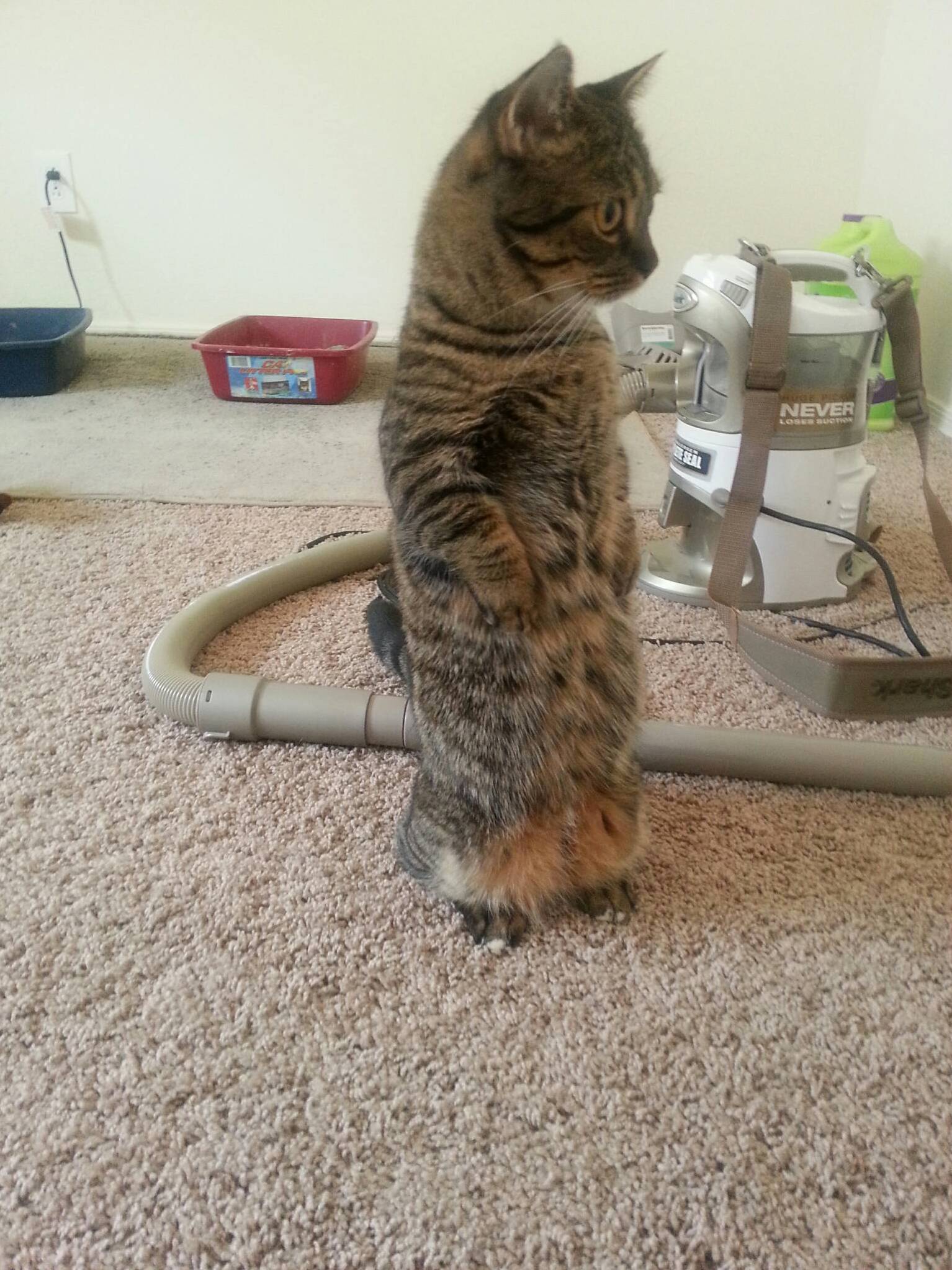
Munchkins famously rise onto their haunches into a “meerkat” or “prairie-dog” pose — owners call it prairie-dogging — to get a better look at something. Any cat can do this, but on a Munchkin it looks far more dramatic because the short back legs make the upright stance stable and comical. They’ll hold it for a surprisingly long time. It’s not a trick and it’s not distress; it’s just a curious cat getting a better vantage point.
Where the Short Legs Come From
The Munchkin’s defining short legs are caused by a naturally occurring genetic mutation affecting bone growth — similar in principle to the gene behind short-legged dog breeds like the Dachshund and Corgi. The mutation is autosomal dominant, meaning a kitten only needs one copy to have short legs. Importantly, the gene is thought to be homozygous lethal — kittens that inherit two copies don’t survive — so Munchkins are only ever bred short-leg to standard-leg.
Despite the short legs, Munchkins are quick and agile. They run with a distinctive scurrying gait, and while they can’t leap to the highest shelves as easily, most jump, climb, and play perfectly well.
The Controversy — An Honest Look
The Munchkin is one of the most divisive cat breeds, and it’s worth being straight about why:
- The breed is recognized by TICA (The International Cat Association) but not by many major registries, including the Cat Fanciers’ Association and the GCCF in the UK, which have declined to recognize it on welfare grounds — the concern that deliberately breeding for a bone-growth mutation prioritizes appearance over health.
- Critics worry about potential joint and spinal issues; supporters point out that Munchkins don’t suffer the severe mobility problems some short-legged dogs do, and studies to date haven’t shown a dramatically shortened lifespan.
- The honest position: the Munchkin is a genuinely affectionate, active cat, and the ethics of breeding for the trait are legitimately debated. If you’re drawn to the breed, choosing a responsible breeder who health-tests and prioritizes temperament and soundness over extreme shortness matters more here than almost anywhere.
Personality
Munchkins are outgoing, playful, and people-oriented. They’re often described as confident and sociable — good with children, dogs, and other cats — and they keep their kitten-like energy well into adulthood. Many are little magpies, notorious for swiping and hoarding small shiny objects. They love interactive play and will happily follow you around the house.
Care and Health
- Grooming depends on coat length — Munchkins come in both short and long hair. Short-haired cats need a weekly brush; long-haired ones two or three times a week.
- Watch the weight. Extra pounds put more strain on any cat’s joints and spine, and that matters more on a long-bodied, short-legged frame. Keep a Munchkin lean.
- Health is generally good, but responsible breeders screen for spinal issues such as lordosis (an inward curve of the spine) and pectus excavatum (a sunken chest) that appear in some lines. Buy from a breeder who tests and is transparent about their lines.
- Home setup: low, sturdy cat furniture and ramps or steps to favorite perches help a short-legged cat get around comfortably.
Is a Munchkin Cat Right for You?
A Munchkin suits you if you want a playful, sociable, kitten-at-heart cat that’s great with a busy family and other pets — and you’ve thought through the ethics and chosen a genuinely responsible breeder. If breed-registry recognition and avoiding a debated genetic trait matter to you, a short-legged cat may not be the right fit, and there are plenty of playful standard breeds to consider instead.
Frequently Asked Questions
Why do Munchkin cats stand up?
Munchkins rise onto their hind legs — “prairie-dogging” — to get a better view of their surroundings. The short back legs make the upright pose especially stable and long-lasting, which is why it’s become the breed’s signature look.
Are Munchkin cats in pain or unhealthy?
Munchkins are generally healthy and active, and studies haven’t shown severe mobility problems. That said, the breed is genuinely debated on welfare grounds, and some lines carry spinal or chest issues — which is why choosing a health-testing breeder and keeping the cat lean matter.
Can Munchkin cats jump and climb?
Yes. They’re quick and agile and jump, run, and climb well — just not to the very highest perches as easily as a long-legged cat. Low, sturdy furniture and ramps help.
How long do Munchkin cats live?
Munchkins typically live around 12–15 years with good care — comparable to many other breeds. Keeping them at a healthy weight supports joint and spinal health.
Curious about other breeds? Explore our breed guides or find a name in the cat name generator.