
Why Do Cats Bring Dead Animals? The Hunter's Instinct
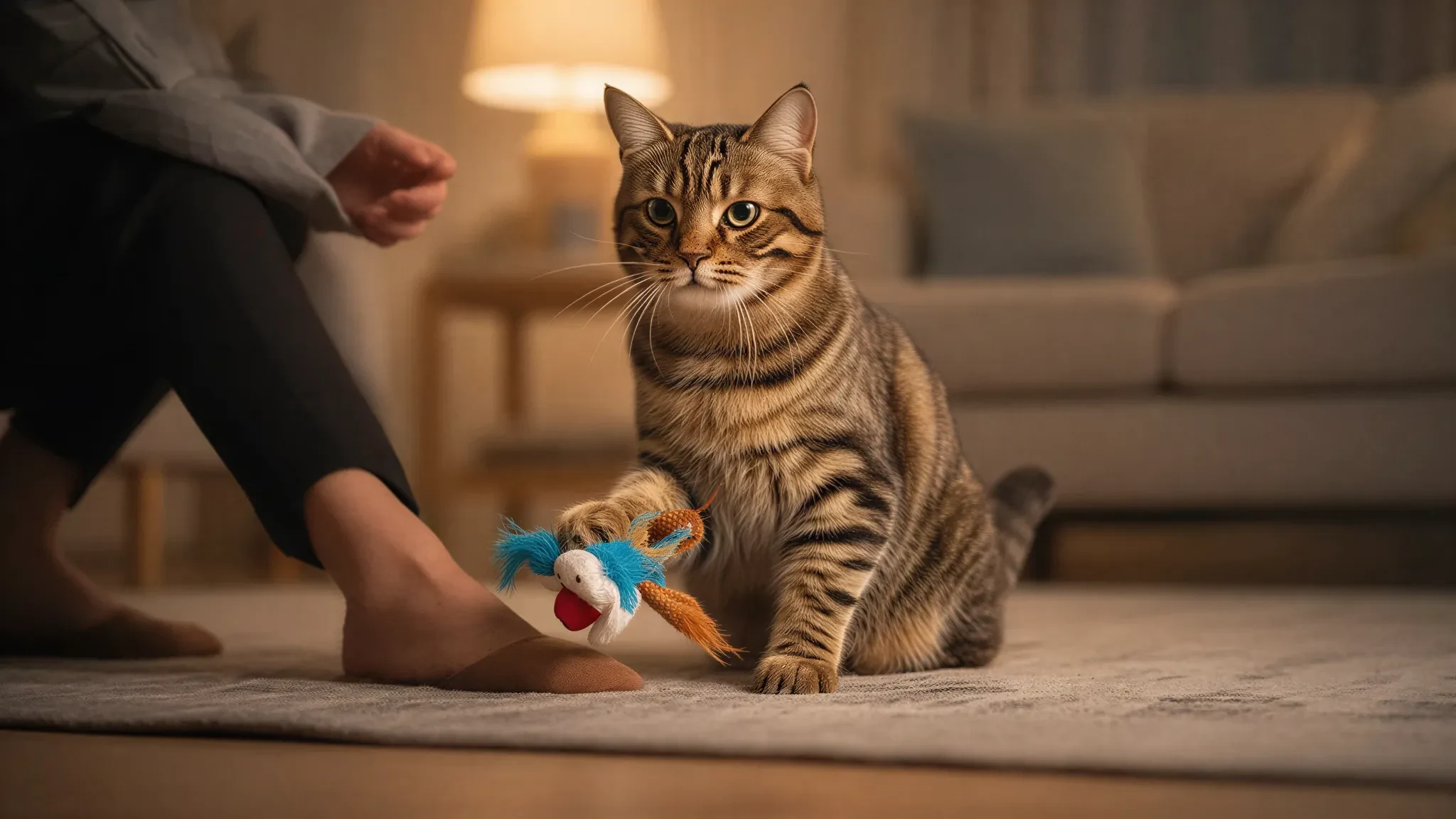
Finding a dead mouse, bird, or insect at your doorstep is every cat owner’s unpleasant surprise. While this behavior is disturbing to humans, it’s actually a sign of your cat’s love and trust. Cats bring dead animals as gifts, teaching attempts, or territory offerings. This behavior stems from deep hunting instincts that persist even in well-fed domestic cats. Understanding why cats bring dead animals helps you respond appropriately without damaging your relationship. This guide explains the science behind this behavior and how to handle these unwelcome gifts.
Why Cats Bring Dead Animals
Teaching Behavior
Mother cats bring dead and injured prey to their kittens to teach hunting skills. Kittens learn to hunt by watching and practicing on disabled prey. When your cat brings you dead animals, they may be treating you as a family member who needs hunting lessons.
Your cat may view you as an incompetent hunter. Cats observe that you don’t hunt successfully. They may feel responsible for teaching you this essential skill. Bringing dead prey is their way of providing learning opportunities.
This behavior is actually a compliment. Your cat considers you family and wants you to develop survival skills. They’re including you in their social group by sharing hunting knowledge.
The behavior persists even in cats who’ve never had kittens. The instinct to teach hunting is hardwired. Indoor cats who’ve never hunted still display this behavior with toys or captured prey.
Gift-Giving and Social Bonding
Cats bring prey as gifts to trusted family members. In cat colonies, successful hunters share prey with other members. This strengthens social bonds and ensures group survival. Your cat is including you in this social sharing behavior.
Bringing prey shows trust and affection. Your cat is offering something valuable to them. This is a sign of a strong bond between you. Cats don’t share prey with those they don’t trust.
The behavior acknowledges you as part of their social group. Cats recognize humans as different species but still include us in their social structure. Gift-giving is how they express this inclusion.
Some cats bring live prey instead of dead. This provides practice opportunities for family members. It’s a more advanced teaching technique. Live prey allows “students” to practice the final hunting steps.
Territory and Home Base
Cats bring prey to their home base — the place they feel most secure. Your home is your cat’s safe territory. They’re bringing resources back to their central location.
This behavior marks your home as their territory. The scent of prey reinforces territorial claims. Other cats will smell the hunt success and know this territory is occupied.
Cats may bring prey to multiple locations within their territory. Different “drop zones” serve different purposes. Sleeping areas receive gifts for consumption. Entry points receive gifts as territorial markers.
Indoor cats may bring toys to specific locations. This is the same territorial behavior with substitute prey. The location choices reflect the same instincts.
Instinctive Hunting Drive
Hunting is hardwired into cats regardless of hunger. Well-fed cats still hunt because the instinct is separate from hunger. Domestic cats retain all hunting behaviors of their wild ancestors.
The hunting sequence is complete only when prey is consumed or delivered. Cats feel compelled to finish the sequence. Bringing prey to you completes their hunting cycle.
Success triggers the delivery behavior. Cats who catch prey feel driven to bring it somewhere. This is the final step in the hunting sequence.
Even cats who play with toys display this behavior. Toy “kills” are brought to owners just like real prey. The instinct applies to all hunted objects.
How to Respond
What Not to Do
Never punish your cat for bringing dead animals. Punishment damages your relationship and confuses your cat. They were expressing love and you responded negatively. This creates stress and anxiety.
Don’t show disgust or anger visibly. Cats read your body language and tone. Negative reactions hurt their feelings and may reduce trust. They won’t understand why their gift was rejected.
Avoid chasing your cat away when they bring gifts. This teaches them that approaching you with prey has negative consequences. They may become secretive or stressed about hunting.
Don’t make a big fuss either way. Excessive praise may encourage more hunting. Excessive negative reactions cause stress. Calm, neutral responses are best.
Appropriate Responses
Accept the gift graciously. Thank your cat calmly and gently. This acknowledges their intention without encouraging more hunting. A simple “thank you” in a pleasant tone works well.
Dispose of the prey discreetly. Wait until your cat isn’t watching to remove it. This prevents them from retrieving it or feeling their gift was rejected.
Redirect hunting behavior to appropriate toys. After accepting the gift, engage your cat with wand toys or puzzle feeders. This channels hunting energy into acceptable outlets.
Consider wearing a bell on outdoor cats. Bells alert prey to your cat’s presence, reducing successful hunts. This allows outdoor time while minimizing casualties.
Preventing Future “Gifts”
Keep cats indoors during dawn and dusk. These are peak hunting times when prey is most active. Limiting outdoor access during these times reduces hunting success.
Provide adequate indoor enrichment. Bored cats hunt more from lack of stimulation. Puzzle feeders, interactive toys, and play sessions reduce hunting drive.
Feed cats before they typically hunt. Well-fed cats may hunt less enthusiastically. Meal timing can influence hunting motivation.
Consider leash training for outdoor time. Supervised outdoor time allows exploration without hunting opportunities. This satisfies curiosity while preventing casualties.
Indoor Cat Alternatives
Toy “Hunting”
Provide toys that satisfy hunting instincts. Wand toys, mice, and balls all trigger hunting behavior. Regular play sessions allow cats to complete the hunting sequence indoors.
Create hunting games with hidden toys. Hide toys around your home for your cat to find. This simulates stalking and ambushing prey.
Use puzzle feeders that require “hunting” for food. These make cats work for meals, simulating natural hunting. Mental stimulation reduces the drive to hunt real prey.
Rotate toys regularly to maintain interest. Novel toys trigger stronger hunting responses. Weekly rotation keeps toys engaging.
Redirecting the Behavior
When your cat brings toy “gifts,” accept them graciously. Thank your cat and put the toy away. This acknowledges the behavior without encouraging real hunting.
Create designated “gift zones” for toys. Place a basket or box where your cat can deposit toy gifts. This provides an appropriate location for the behavior.
Reward toy hunting more than real hunting. Give extra attention and treats when your cat plays with toys. This reinforces appropriate hunting outlets.
Provide cat-safe grass or plants for “prey” substitution. Some cats bring plant material instead of animals. This is a harmless alternative behavior.
When to Be Concerned
Excessive Hunting
Cats who hunt obsessively may have underlying issues. Boredom, stress, or medical problems can increase hunting drive. Excessive hunting that interferes with normal activities warrants attention.
Cats who bring multiple prey daily may need more enrichment. Increase play sessions and environmental stimulation. Mental and physical exercise reduces hunting drive.
Senior cats who suddenly increase hunting should be evaluated. Behavioral changes can signal medical issues. Thyroid problems can increase activity and hunting.
Cats who seem unable to stop hunting may need behavioral intervention. Consult a behaviorist if hunting becomes compulsive. Medication may help in severe cases.
Health Concerns from Hunting
Hunting exposes cats to diseases and parasites. Prey can carry toxoplasmosis, roundworms, and other pathogens. Regular veterinary care and parasite prevention are essential for hunting cats.
Injuries from prey are possible. Birds and rodents can scratch or bite. Check your cat for injuries after hunting sessions. Contact your vet for any wounds.
Poisoned prey poses risks. Prey that has consumed rodenticide can poison cats. Be aware of pest control in your area. Keep cats indoors if poisoning is possible.
Fleas and ticks come from hunting. Prey animals carry external parasites. Regular flea and tick prevention is essential for hunting cats.
Frequently Asked Questions
Why does my indoor cat bring me toy “gifts”?
Indoor cats display the same gift-giving instinct with toys. They’re treating toys as prey and sharing their “hunts” with you. This is normal behavior that shows affection.
Should I let my cat eat the prey they catch?
It’s generally safe for cats to eat prey they catch, but there are risks. Prey can carry parasites and diseases. Monitor your cat and maintain regular veterinary care.
How do I stop my cat from hunting?
You can’t eliminate hunting instinct, but you can reduce it. Keep cats indoors, provide enrichment, and feed before typical hunting times. Bell collars also reduce hunting success.
Is it normal for cats to bring live prey?
Yes. Some cats bring live prey to teach hunting skills. This is more advanced teaching behavior. It’s the same instinct as bringing dead prey.
Why does my cat meow when bringing gifts?
Cats meow to announce their success and call family members. They’re proud of their hunt and want acknowledgment. Respond calmly to acknowledge their achievement.
Do all cats bring dead animals?
Most cats display this behavior but individual variation exists. Some cats never bring prey while others do regularly. Personality and hunting success affect the behavior.
Can I train my cat not to bring gifts?
You can redirect the behavior but not eliminate the instinct. Provide alternative outlets and respond appropriately to gifts. Complete elimination isn’t possible or desirable.
Want to understand more cat behaviors? Read our Cat Body Language Guide for communication insights or explore Indoor Cat Enrichment for hunting alternatives.