
Why Do Cats Like Boxes? The Surprising Science
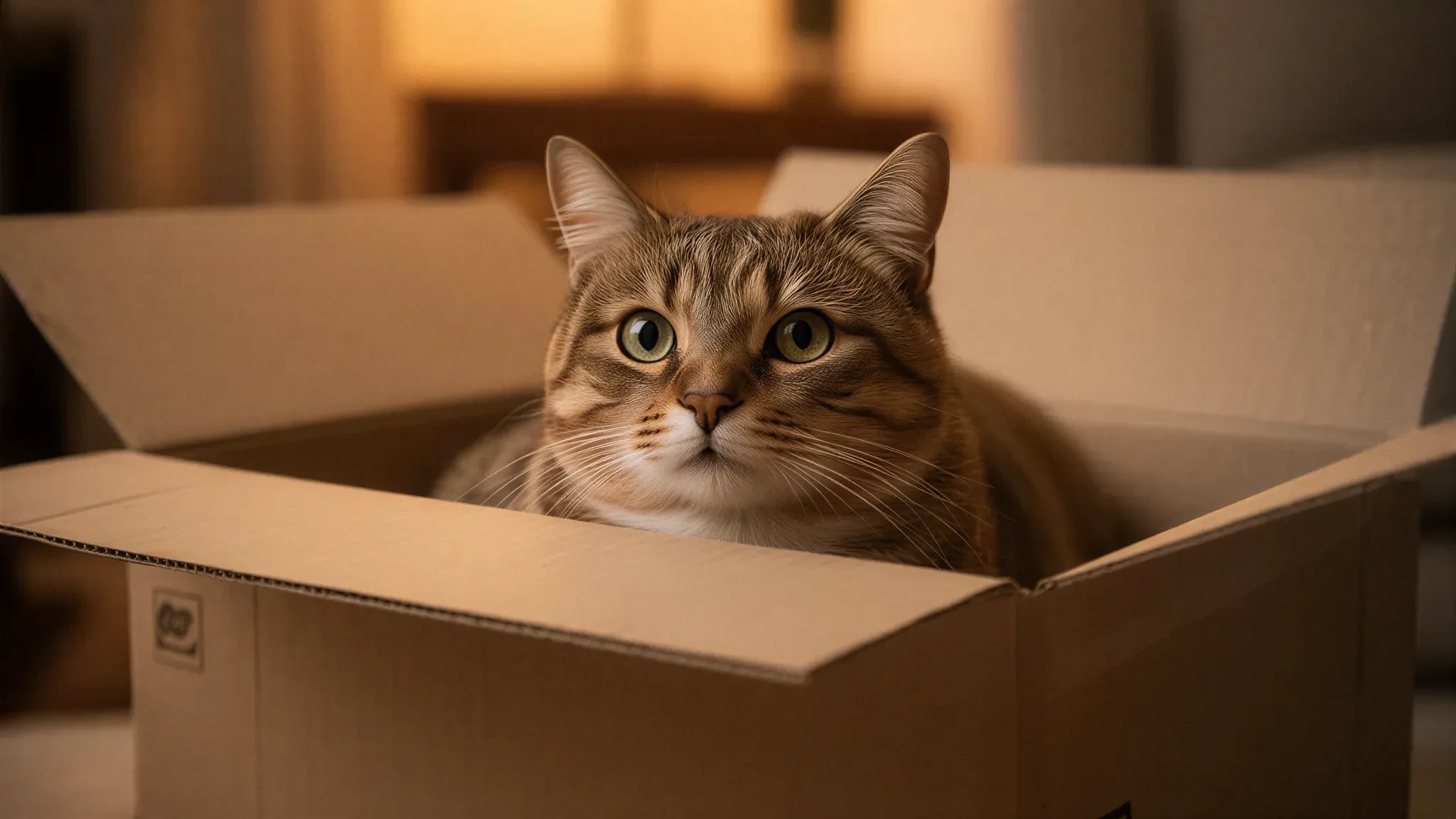
Cats and boxes have an undeniable connection. Give a cat a box and they’ll immediately investigate, then likely settle inside for hours. It isn’t just cute behavior; there is real science behind why cats love boxes. Boxes provide security, stress reduction, hunting opportunities, warmth, and territory marking. Understanding the draw helps you provide better enrichment for your cat. This guide explains the science behind box love and how to use boxes for stress relief, play, and rest.
The Science Behind Box Love
Security and Stress Reduction
Boxes provide enclosed spaces where cats feel secure. In the wild, enclosed spaces protect from predators. Cats can observe their environment while remaining hidden. This creates a sense of safety that reduces stress.
Research from Utrecht University studied shelter cats and box access. Cats with boxes showed significantly lower stress levels than cats without boxes. They adapted to new environments faster and showed fewer stress behaviors. Box access improved welfare in stressful situations.
The security of boxes helps cats cope with environmental changes. New homes, new pets, or routine changes all cause stress. Boxes provide safe retreats during adjustment periods. Shelter cats particularly benefit from box access.
Cats who feel secure are healthier. Chronic stress suppresses immune function. Reducing stress through box access supports overall health. This is especially important for cats in multi-cat households or stressful environments.
Hunting and Ambush Behavior
Boxes serve as perfect ambush points for hunting. Cats can hide inside while watching for prey. They can pounce from the safety of their box. This satisfies natural hunting instincts.
Even well-fed domestic cats retain hunting instincts. Box play mimics hunting behavior. Cats wait in boxes then pounce on passing toys, other pets, or unsuspecting feet. This play is practice for hunting.
The element of surprise is key to hunting success. Boxes provide concealment for stalking. Cats can observe without being seen. This makes box ambushes more successful and satisfying.
Multiple boxes create hunting territories. Cats can move between boxes while stalking. This simulates territory patrol behavior. Multi-box setups provide complex hunting environments.
Warmth and Comfort
Boxes provide insulation that helps cats stay warm. Cardboard is a natural insulator. The enclosed space traps body heat. Cats maintain body temperature more efficiently in boxes.
Cats prefer temperatures warmer than humans. Their comfort zone is 86-97°F while humans prefer 68-72°F. Boxes help cats achieve their preferred temperature without expending energy.
Small boxes maximize warmth retention. The snug fit reduces air circulation and heat loss. Cats curl up tightly in small boxes to conserve heat. This is especially appealing in cooler environments.
The texture of cardboard may also appeal to cats. Cardboard provides traction for claws. Cats can scratch box edges, combining comfort with claw maintenance.
Territory and Scent Marking
Boxes become part of cats’ territories. Cats mark boxes with facial glands when they rub against edges. This claims the box as part of their safe space.
Scent marking creates familiarity. Cats feel more secure in spaces that smell like them. Boxes absorb cat scent over time, becoming increasingly appealing.
Multiple boxes create territory networks. Cats can move between marked boxes throughout their territory. This provides security throughout their environment.
New boxes are investigated thoroughly. Cats rub, scratch, and sleep in new boxes to mark them. This process makes unfamiliar boxes feel like home.
Box Preferences
Size Preferences
Cats prefer boxes that fit snugly. The box should allow turning around but not much more. Snug boxes provide maximum security and warmth.
Different cats prefer different sizes. Small cats prefer small boxes. Large cats need larger boxes. Match box size to your cat’s size.
Some cats prefer boxes they can barely fit into. The tight squeeze provides maximum security. Don’t worry — cats will leave if truly uncomfortable.
Provide multiple sizes for choice. Some cats prefer different boxes at different times. Variety allows cats to choose based on mood.
Material Preferences
Cardboard is the classic box material: insulating, scratchable, and disposable. Cardboard boxes are readily available and inexpensive.
Plastic containers work well for some cats. They’re more durable and easier to clean. Some cats prefer the smooth texture of plastic.
Fabric boxes provide soft comfort. Collapsible fabric boxes work well for cats who prefer soft surfaces. These are washable and portable.
Avoid boxes with toxic materials. Some boxes are treated with chemicals. Use plain cardboard or pet-safe boxes only.
Location Preferences
Quiet locations are preferred for box placement. Cats use boxes for retreat and rest. High-traffic areas reduce box appeal.
Multiple locations provide options. Place boxes in different rooms throughout your home. This gives cats choices based on their activities.
Elevated boxes appeal to some cats. Boxes on cat trees or shelves provide security with height. Some cats prefer observing from above.
Avoid placing boxes near loud appliances. Washing machines, dryers, and dishwashers can startle cats. Quiet locations encourage box use.
Using Boxes for Enrichment
Stress Reduction
Provide boxes during stressful times. Moves, new pets, or visitors all cause stress. Boxes give cats safe retreats during adjustment.
Shelter cats particularly benefit from boxes. The shelter environment is inherently stressful. Box access improves welfare and adoption success.
Multi-cat households benefit from multiple boxes. Each cat should have access to secure retreats. This reduces competition and stress.
Senior cats appreciate box access. Older cats may feel more vulnerable. Boxes provide security for aging cats.
Play and Hunting
Create box mazes for exploration. Connect multiple boxes with holes cut between them. Cats can move through the maze while hunting.
Hide treats in boxes for scavenging. This combines box love with food enrichment. Cats hunt through boxes to find treats.
Use boxes for interactive play. Dangle wand toys into boxes for ambush play. This satisfies hunting instincts while using the box.
Rotate box setups regularly. New configurations maintain interest. Change box locations and connections weekly.
Comfort and Rest
Place comfortable bedding in boxes. Soft blankets make boxes even more appealing. Cats enjoy the combination of security and comfort.
Position boxes near windows for entertainment. Cats can watch birds from the safety of their box. This combines security with stimulation.
Create box stations throughout your home. Boxes in multiple rooms provide rest options wherever cats are. This encourages box use throughout the day.
Replace boxes when worn. Soiled or damaged boxes lose appeal. Fresh boxes are more inviting.
DIY Box Projects
Simple Box Modifications
Cut entry holes for easy access. Large holes on multiple sides provide options. Cats prefer boxes with multiple exits.
Stack boxes for vertical spaces. Connect boxes at different levels. This creates climbing opportunities within box structures.
Line boxes with soft bedding. Blankets or towels add comfort. Wash bedding regularly to maintain cleanliness.
Combine boxes with other enrichment. Add toys, treats, or catnip to boxes. This increases box appeal and provides stimulation.
Complex Box Structures
Create multi-level box castles. Stack and connect multiple boxes. Cut windows and doors for access. This provides complex exploration opportunities.
Build box tunnels. Connect boxes with cardboard tubes. Cats can run through tunnel systems. This satisfies both box love and exploration instincts.
Design box mazes with dead ends and multiple paths. Cats enjoy navigating complex spaces. This provides mental stimulation along with security.
Incorporate scratching surfaces. Attach sisal rope or cardboard scratchers to box exteriors. This combines box love with claw maintenance.
Safety Considerations
Remove staples, tape, and glue before giving boxes to cats. These can be swallowed or cause injuries. Inspect boxes carefully before use.
Supervise cats with boxes initially. Some cats may chew and swallow cardboard. Monitor for any destructive behavior.
Replace boxes when soiled or damaged. Wet cardboard can mold. Damaged boxes may have sharp edges. Maintain box quality for safety.
Avoid boxes that held toxic materials. Chemical residues can harm cats. Use only clean, food-grade or plain cardboard boxes.
Frequently Asked Questions
Why does my cat prefer boxes to expensive beds?
Boxes provide security, warmth, and scent-marking opportunities that an open bed may not. The enclosed space makes a cat feel safe, and they can watch the room from cover. It is less about cost and more about meeting an instinct.
Should I buy a cat bed or just use boxes?
Both have value. Boxes offer excellent security and are disposable, while a cat bed provides cushioning and washes easily. Many cats use both, picking whichever suits the moment.
How many boxes should I provide?
Aim for at least one box per cat, plus one extra, and place them in different rooms. More boxes mean more options, which matters most in multi-cat homes where resources need to be abundant.
My cat doesn’t use boxes. Is this normal?
Plenty of cats love boxes, but individual preferences vary. Some prefer other hiding spots or a high perch. Try different sizes and locations to see what appeals to your cat.
Are cardboard boxes safe for cats?
Plain cardboard is safe. Remove staples, tape, and glue first. Avoid boxes that held toxic materials, and supervise initially in case your cat chews and swallows the cardboard.
How often should I replace boxes?
Replace a box when it is soiled, damaged, or the cat loses interest. Cardboard absorbs odors and wears out over time, and a fresh box is far more inviting than a soggy one.
Can boxes help with cat introductions?
Yes. Boxes give each cat a safe retreat during introductions, so one can break eye contact and decompress when overwhelmed. That reduces stress and makes the slow introduction process easier.
Want to understand more cat behaviors? Read our Indoor Cat Enrichment guide for more enrichment ideas or explore Do Cats Get Lonely for social behavior insights.