
Why Do Cats Sleep So Much? What's Normal
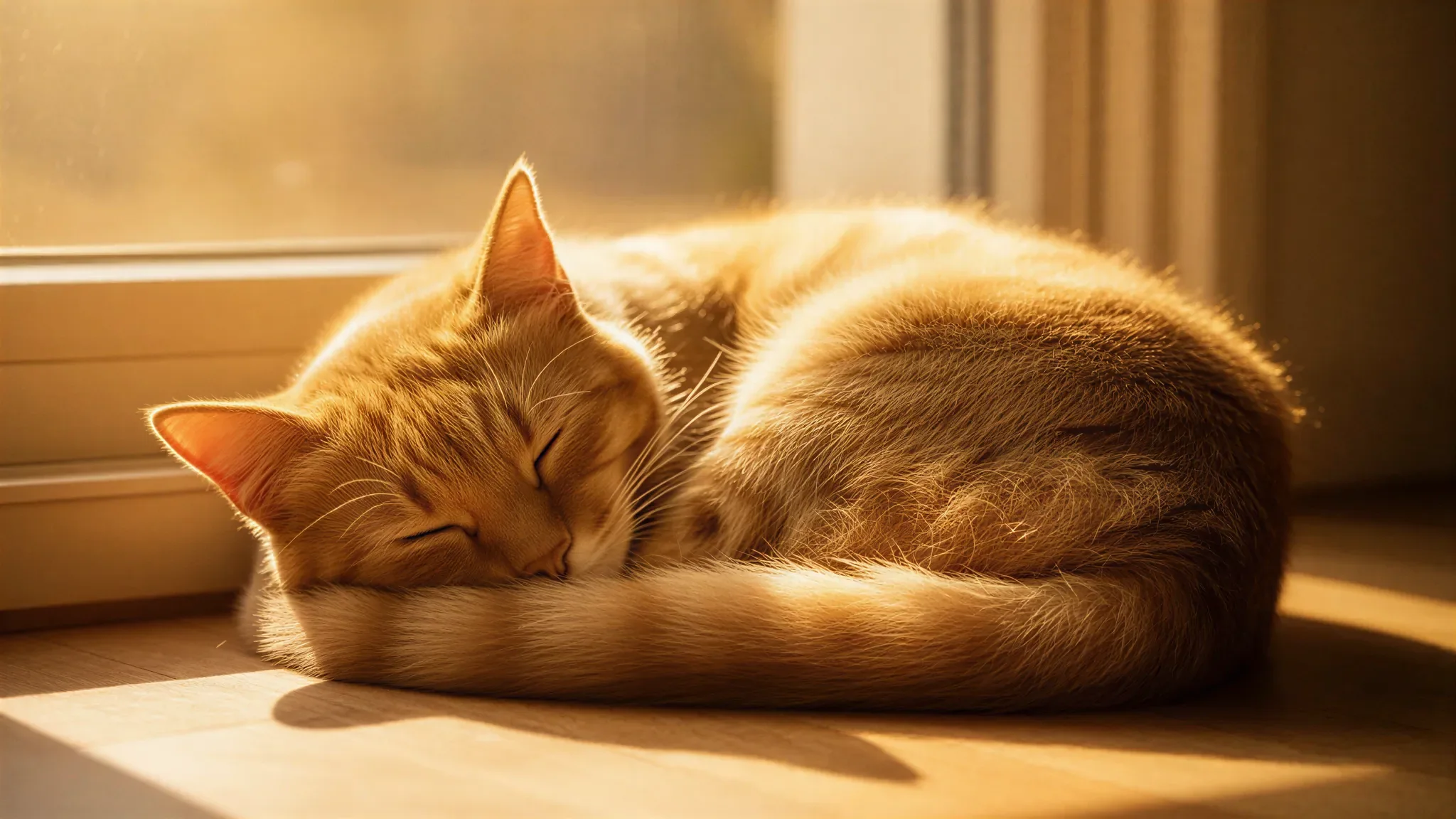
Cats sleep 12-16 hours daily on average, with some seniors sleeping up to 20 hours. This extensive sleeping is normal feline behavior rooted in their evolutionary history as hunters. Cats conserve energy between hunting bursts through frequent napping. However, excessive sleeping beyond normal ranges can signal health problems. Understanding normal cat sleep patterns helps you recognize when sleeping becomes concerning. This guide explains why cats sleep so much, what’s normal by age, sleep cycle differences, and warning signs that warrant veterinary attention.
Why Cats Sleep So Much
Evolutionary History
Cats evolved as hunters who expend bursts of energy catching prey. Hunting requires intense focus and physical exertion. Sleeping conserves energy between hunting sessions. This evolutionary adaptation persists in domestic cats even though they don’t hunt for survival.
Wild cats sleep 16-20 hours daily. Domestic cats retain this pattern even with regular meals. The instinct to conserve energy remains strong. Your house cat sleeps like their wild ancestors.
Cats are crepuscular, meaning most active at dawn and dusk. This is when their natural prey is most active. Sleeping during day and night aligns with hunting schedules. Your cat’s zoomies at 5 AM reflects natural hunting instincts.
The hunting sequence explains sleep patterns. Cats hunt, eat, groom, then sleep. This cycle repeats throughout 24 hours. Domestic cats follow this pattern even with bowl-fed meals.
Energy Conservation
Cats sleep to conserve energy for hunting bursts. Unlike endurance animals, cats are sprint hunters. They need stored energy for quick, intense activity. Sleeping preserves this energy.
Indoor cats sleep more than outdoor cats. They don’t expend energy on territory patrol or hunting. Extra sleep fills time that would be spent on survival activities. Boredom can increase sleep time.
Age affects sleep needs significantly. Kittens and seniors sleep more than adults. Growing kittens need sleep for development. Seniors have less energy and sleep more.
Health status influences sleep. Cats who are ill or in pain often sleep more. Sleep helps the body heal. Increased sleeping can be the first sign of health problems.
Normal Sleep by Age
Kittens (0-6 Months)
Kittens sleep 18-22 hours daily. This is normal and necessary for development. Growth hormone is released during sleep. Kittens need extensive sleep for proper growth.
Newborn kittens sleep almost constantly. They wake only to nurse. Their eyes are closed and they can’t regulate body temperature. Mother cats keep kittens warm during this period.
Kittens 4-8 weeks sleep 18-20 hours daily. They have brief active periods for play and learning. Sleep supports rapid brain development. Play sessions are short followed by naps.
Kittens 2-6 months sleep 16-18 hours daily. Active periods lengthen as they grow. Play becomes more coordinated and energetic. Sleep remains essential for development.
Adult Cats (1-7 Years)
Adult cats sleep 12-16 hours daily. This is the normal range for healthy adults. Sleep is distributed throughout 24 hours in multiple naps. Adults have longer active periods than kittens or seniors.
Active adults may sleep closer to 12 hours. Cats with regular play sessions and enrichment sleep less. Bored cats may sleep more from lack of stimulation.
Indoor adults sleep more than outdoor adults. Outdoor cats patrol territory and hunt. Indoor cats don’t have these energy expenditures. Extra sleep fills time.
Individual variation is normal. Some cats naturally sleep more than others. Know your cat’s baseline to recognize changes.
Senior Cats (7+ Years)
Senior cats sleep 16-20 hours daily. Increased sleep is normal with aging. Seniors have less energy and tire more easily. Sleep helps conserve limited energy.
Very senior cats (15+) may sleep up to 22 hours. This is normal for advanced age. Active periods become shorter. Sleep becomes the primary activity.
Cognitive dysfunction can affect sleep patterns. Seniors with cognitive decline may sleep more during day and less at night. Night-time vocalization is common with cognitive decline.
Health conditions increase sleep in seniors. Arthritis, kidney disease, and other conditions cause fatigue. Increased sleep may signal health problems needing attention.
Understanding Cat Sleep Cycles
Light Sleep vs. Deep Sleep
Cats experience two types of sleep: light sleep and deep sleep. Light sleep makes up about 75% of cat sleep time. During light sleep, cats remain alert to their environment. Ears twitch toward sounds and eyes may open slightly.
Deep sleep makes up about 25% of cat sleep time. During deep sleep, cats are fully unconscious. Muscles relax completely and breathing slows. This is when dreaming occurs.
Cats cycle between light and deep sleep every 30 minutes. This allows them to remain alert to threats even while sleeping. In the wild, this protects from predators.
REM sleep occurs during deep sleep phases. Cats dream during REM sleep. You may see twitching whiskers, paws, or tail during dreaming. This is normal and healthy.
Sleep Positions and What They Mean
Curled up in a ball protects vital organs. This is a defensive position from wild ancestors. Cats who sleep this way may not feel completely secure.
Stretched out on side indicates deep relaxation. Cats only sleep this way when they feel safe. Exposed belly shows trust in the environment.
Loaf position with paws tucked allows quick rising. Cats can spring into action from this position. This is a semi-alert resting position.
On back with belly exposed shows ultimate trust. Cats are vulnerable in this position. Only sleep this way when feeling completely secure.
On or near humans indicates bonding. Cats choose to sleep near trusted family members. This is a sign of affection and security.
When Sleeping Becomes a Problem
Signs of Excessive Sleeping
Sleeping more than 20 hours daily for adults may indicate problems. Context matters — seniors naturally sleep more. Compare to your cat’s normal baseline.
Difficulty waking is concerning. Cats should wake easily for food or interaction. Cats who are hard to rouse may have health problems.
Sleeping instead of eating is a red flag. Cats should wake for meals. Skipping meals to sleep indicates serious problems.
Hiding while sleeping can signal illness. Cats who hide are often trying to protect themselves when vulnerable. This behavior warrants attention.
Medical Causes of Excessive Sleep
Pain causes increased sleeping. Cats with arthritis, dental disease, or injuries sleep more to cope with pain. They may also show decreased activity and appetite changes.
Anemia reduces oxygen delivery to tissues. Cats with anemia are lethargic and sleep more. Gums may appear pale. Blood tests diagnose anemia.
Hypothyroidism slows metabolism. Cats with low thyroid function are lethargic and sleep more. Weight gain and coat changes accompany lethargy. Blood tests diagnose thyroid function.
Kidney disease causes fatigue. Toxins build up in bloodstream affecting energy. Increased drinking and urination accompany lethargy. Blood and urine tests diagnose kidney function.
Diabetes affects energy levels. Cats with diabetes may sleep more due to inability to use glucose properly. Increased drinking, urination, and appetite changes accompany lethargy.
Heart disease reduces oxygen delivery. Cats with heart problems tire easily and sleep more. Coughing or difficulty breathing may accompany lethargy.
Behavioral Causes of Excessive Sleep
Boredom increases sleep time. Cats with inadequate enrichment sleep from lack of stimulation. Provide puzzle feeders, toys, and interactive play to reduce boredom-related sleeping.
Depression can cause increased sleeping. Cats who have lost companions or experienced major changes may sleep more. Behavioral changes accompany increased sleep.
Stress affects sleep patterns. Some cats sleep more when stressed. Others sleep less. Watch for other stress signals like hiding or changes in eating.
When to See a Vet
Urgent Signs
Not eating for 24+ hours with increased sleeping needs immediate attention. Cats who don’t eat risk liver problems. This is especially urgent for overweight cats.
Difficulty breathing with increased sleeping is an emergency. Labored breathing, open-mouth breathing, or blue gums require immediate veterinary care.
Collapse or inability to stand with increased sleeping needs emergency care. This indicates serious systemic problems.
Unresponsiveness or difficulty waking is an emergency. Cats should wake easily for food or interaction. Unresponsive cats need immediate care.
Non-Urgent Signs
Gradual increase in sleeping over weeks warrants a vet visit. Schedule an appointment to rule out medical causes. Blood work identifies underlying conditions.
Sleeping changes with other symptoms need evaluation. Changes in eating, drinking, litter box habits, or behavior accompanying increased sleep indicate problems.
Senior cats with new excessive sleeping should be evaluated. Age-related conditions often manifest as increased sleep. Early detection improves outcomes.
Sleeping changes after medication changes need attention. Some medications cause lethargy. Your vet can adjust medications if needed.
Encouraging Healthy Activity
Environmental Enrichment
Provide puzzle feeders for mental stimulation. These make cats work for food, simulating hunting. Mental stimulation reduces boredom-related sleeping.
Create vertical spaces for climbing. Cat trees and shelves encourage activity. Climbing provides exercise and mental stimulation.
Offer window perches for entertainment. Bird watching provides passive stimulation. This reduces boredom without requiring physical exertion.
Rotate toys regularly to maintain interest. Novel toys are more interesting than familiar ones. Weekly rotation keeps toys engaging.
Interactive Play
Schedule daily play sessions. Plan for 15-20 minutes of active play. This provides exercise and strengthens bonds.
Use wand toys to simulate hunting. Move toys like prey — darting, hiding, and jumping. This triggers hunting instincts.
End play sessions with treats. This completes the hunting sequence. Cats feel satisfied after “catching” and “eating.”
Multiple short sessions work better than one long session. Cats have bursts of energy followed by rest. Match play to natural energy patterns.
Routine and Schedule
Maintain consistent feeding schedules. Predictable routines help regulate sleep-wake cycles. Cats thrive on consistency.
Schedule play at consistent times. Morning and evening sessions align with natural hunting instincts. Consistency helps cats anticipate activity.
Don’t reinforce night-time activity. Ignore cats who wake you at night. Reward calm behavior during desired hours.
Create calm sleeping environments. Quiet, comfortable areas encourage restful sleep. Cats sleep better in secure locations.
Frequently Asked Questions
How much should my cat sleep?
Adult cats sleep 12-16 hours daily. Kittens sleep 18-22 hours. Seniors sleep 16-20 hours. Individual variation is normal. Know your cat’s baseline.
Is it normal for cats to sleep all day?
Cats sleep much of the day, but should have active periods. Cats who sleep constantly without waking for food or play may have health problems.
Why does my cat sleep more in winter?
Some cats sleep more in winter due to reduced daylight and activity. This is normal if your cat still eats, plays, and uses the litter box normally.
Do cats dream?
Yes. Cats experience REM sleep where dreaming occurs. Twitching whiskers, paws, or tail during sleep indicate dreaming. This is normal and healthy.
Why does my cat sleep on me?
Cats sleep on trusted humans for bonding and warmth. This indicates your cat feels safe with you. It’s a sign of affection and trust.
My cat sleeps more after vaccination. Is this normal?
Mild lethargy for 24-48 hours after vaccination is normal. Vaccines stimulate the immune system which can cause temporary fatigue. Contact your vet if lethargy persists beyond 48 hours.
When should I worry about my cat’s sleeping?
Worry if sleeping increases suddenly, if your cat is hard to wake, skips meals to sleep, or shows other symptoms like vomiting or diarrhea. Contact your vet for concerning changes.
Want to understand more cat behaviors? Read our Do Cats Get Lonely for social behavior insights or explore Cat Body Language Guide for communication tips.