
Kitten Socialization Window: The Complete Guide
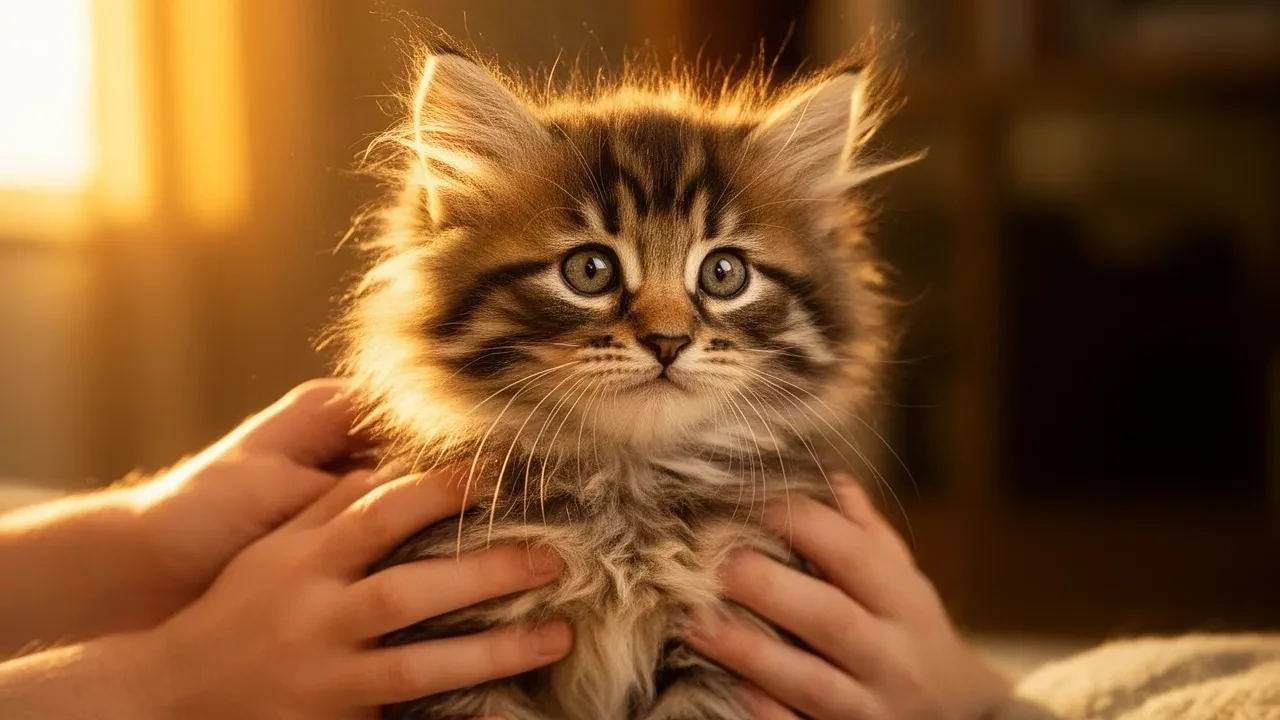
The primary kitten socialization window opens at 2 weeks of age and closes between 7 and 9 weeks. During this brief developmental phase, a kitten’s brain creates permanent neural pathways that categorize novel humans, animals, sounds, textures, and handling as safe rather than threatening. Positive exposure during this window prevents chronic fear and defensive aggression in adult cats. You can estimate your kitten’s developmental stage with our Cat Age Calculator or use our checklist and behavioral protocols below to raise a calm, confident companion.
The Science of Feline Neurological Socialization
Feline brain development follows a rigid evolutionary schedule. In pioneering ethological studies conducted by Eileen Karsh and Dennis Turner, researchers demonstrated that the primary window for human attachment and social habituation in cats occurs earlier and closes faster than in dogs. While puppies remain receptive to primary socialization until 14 to 16 weeks, a kitten’s core receptive window begins to close at just 9 weeks of age.
During weeks 2 through 7, the kitten’s amygdala and prefrontal cortex process novelty without triggering intense fear responses. Sensory inputs experienced during this period—gentle hands stroking their fur, the hum of a vacuum in another room, or the scent of a calm dog—are cataloged as normal environmental baselines.
Around week 9, a survival mechanism called neophobia (innate fear of the unfamiliar) activates. In the wild, this instinct protects weaning kittens from predators and toxic hazards once they leave the nest. In a domestic home, an unsocialized 9-week-old kitten will view unfamiliar people, loud appliances, and veterinary handling as life-threatening dangers. While cats can still learn new behaviors after 9 weeks, reshaping an older cat’s fear response requires months of counter-conditioning rather than simple, passive exposure.
Primary vs. Secondary Socialization: The Timeline
Understanding the stages of behavioral development allows foster caregivers and adopters to prioritize the right experiences at the right age.
| Developmental Stage | Age Range | Neurological Focus | Caregiver Action Plan |
|---|---|---|---|
| Primary Socialization | Weeks 2 to 7 | Bonding with humans; tactile comfort; nest curiosity | Gentle daily handling (30–60 mins); soft voices; multiple human handlers |
| Sensory Broadening | Weeks 7 to 9 | Environmental bolding; sound habituation; carrier prep | Introducing household appliances, textures, car rides, and veterinary mock exams |
| Secondary Socialization | Weeks 10 to 16 | Confidence reinforcement; boundary testing; bite control | Sibling play; interactive wand toys; gradual introductions to visitors |
| Adolescence & Maturity | Months 4 to 12 | Temperament stabilization; territorial security | Consistent routines; clicker training; ongoing positive environmental enrichment |
The “100-Experiences” Kitten Socialization Checklist
A truly socialized cat is unbothered by everyday household events. Rather than overwhelming a kitten with everything at once, introduce three to five items from this checklist daily, always paired with a savory treat or gentle chin scratch.
1. Household Sounds & Appliances
Kittens should hear standard domestic sounds at low volumes before experiencing them up close. Run the vacuum in an adjacent room, cycle the food processor and blender in the kitchen, and let the television and music with varied bass play in the background. Work in the sounds of a doorbell, loud knocking, and phone ringtones, then introduce thunderstorm and firework audio tracks at gradually increasing volume. Everyday clatter—dropped plastic lids, clattering utensils, a running bath faucet, the washing machine’s spin cycle, and the dryer’s buzz—rounds out a kitten who won’t flinch at normal household noise.
2. Diverse People & Appearances
Cats distinguish between human voices, silhouettes, and body sizes, so expose kittens to diverse appearances before an unfamiliar visitor triggers hiding. Introduce adults of various genders and vocal pitches, along with children of different ages who are shown how to sit quietly on the floor with treats. Hats, beanies, and caps, dark sunglasses and prescription glasses, and bulky winter coats, boots, and hoods all belong in the rotation. Delivery workers glimpsed through a window and a handful of calm, gentle visitors offering meat puree complete the picture.
3. Physical Handling & Veterinary Exam Preparation
Daily body handling makes routine nail trims, ear cleaning, and veterinary exams stress-free for life. Touch each toe bean and gently press the pads to extend the claws, look inside both ear flaps, and lift the lips to view the teeth and gums. Run your hands along the belly, tail, and hind legs, and lift the kitten into different positions—on a lap, in arms, against the chest. Wrap them briefly in a soft fleece towel, and let them stand calmly on a smooth digital scale.
4. Textures, Surfaces & Exploration
Walking across different surfaces builds feline proprioception and physical confidence. Let the kitten explore hardwood, laminate, and cool ceramic tile, then deep plush carpet and woven jute rugs. Crinkly packing paper, cardboard boxes, and paper shopping bags with the handles removed offer cheap, safe novelty, and wire cooling racks laid flat on the floor challenge their footing. Soft faux-fur blankets, fleece throws, cotton towels, clean plastic storage totes, and open laundry baskets all give them new terrain to map.
5. Travel & Containment Habituation
Travel anxiety starts when a carrier appears only for stressful veterinary visits, so make the carrier part of everyday life long before the first trip. Leave it open 24/7 in the living room with soft bedding and treats inside, and feed the kitten meals in it so stepping in and out becomes voluntary. Close the door for two minutes while they eat, then lift the carrier and walk smoothly through the house. Graduate to sitting in a parked car with the engine idling for five minutes, and finish with a gentle five-minute drive around the block followed by dinner at home.
Food-Paired Positive Conditioning: The Golden Rule of Socialization
The golden rule of feline socialization is simple: novelty must always predict something wonderful.
Whenever you introduce a new sound, person, or surface, immediately offer a high-value reward, such as a lickable chicken or salmon puree treat. This creates a positive emotional response in the brain, linking novel stimuli to safety and pleasure.
Always respect a kitten’s comfort threshold, and learn to read the subtle signs that a kitten is approaching their limit. Dilated pupils in normal light, ears rotated sideways or flattened back, and a tail tucked tight or twitching rapidly all say the same thing: back off. Freezing in place and refusing a favorite treat is the clearest signal of all.
If a kitten freezes or backs away, you have moved too fast. Stop immediately, increase the distance between the kitten and the novel object, lower the volume, and return to a level where the kitten accepts treats comfortably. Never force a frightened kitten to be held or petted while in a state of panic, as forced exposure (flooding) deepens fear pathways.
The “Hiss-to-Purr” Protocol for Feral and Stray Kittens
Feral and stray kittens rescued from outdoor colonies between 4 and 8 weeks of age require a structured, step-by-step socialization protocol. With patience, spicy hissing kittens can transform into loving lap cats within 7 to 14 days.
Follow this five-step rehabilitation process:
Step 1: Secure Quarantine & The Safe Crate Setup
House feral kittens in a quiet bathroom or large wire dog crate fitted with a small litter box, soft bedding, and a covered hide box. Cover three sides of the crate with a sheet to create a secure cave. Never release unsocialized kittens into an open room, where they will hide behind inaccessible appliances or under furniture.
Step 2: Food Only from Human Hands
Remove free-choice dry kibble. Every meal must be associated with your presence. Sit quietly by the crate with a long spoon dipped in meat puree treat. Offer the spoon through the crate bars. Even the angriest hissing 5-week-old kitten will eventually lick the treat.
Step 3: Transition to Fingertip and Head Strokes
Once kittens lick from the spoon without hesitation, place the puree on your index finger. As the kitten licks your finger, use your other hand to gently stroke the cheeks and chin. Felines have scent glands on their cheeks; stroking these areas releases soothing pheromones and triggers instinctual purring.
Step 4: The Warm Towel Lap Session
Wrap the kitten gently in a soft towel, leaving their head exposed, and lift them into your lap. Continue feeding puree while softly speaking and stroking behind their ears. Keep initial sessions short (10 to 15 minutes) and always end on a positive, calm note.
Step 5: Graduate to Interactive Wand Play
As kittens begin seeking your touch, introduce interactive wand toys on the floor. Chasing a feather teaser shifts the brain from defensive survival mode to playful predatory joy. Once kittens run toward you for play and food, open the door to a larger kitten-proofed room.
For single orphans without siblings to practice gentle boundaries, read our guide on single kitten syndrome to prevent play biting.
Carrier Habituation: Ending Travel Anxiety Before It Starts
Most adult cats panic at the sight of a carrier because it appears only once a year before an uncomfortable car ride and veterinary exam.
To raise a cat that loves their carrier, make the carrier a permanent piece of home furniture in a sunny living room corner. Remove the top half or secure the door open with a bungee cord so it cannot swing shut accidentally, tuck a washable fleece blanket inside, and drop crunchy treats or catnip toys into the back every day. Feeding the kitten their regular canned meals inside the carrier turns it into a place of good things rather than a pre-vet panic box.
When the carrier becomes a preferred daytime nap spot, car travel and vet visits lose their terror.
Common Socialization Mistakes to Avoid
Well-meaning caregivers frequently make four mistakes that quietly undermine early socialization. Roughhousing with bare fingers or toes teaches predatory biting, and by six months of age those playful nibbles become painful puncture wounds, so always use wand toys and fabric kickers instead. Forcing interactions—chasing a hiding kitten or dragging them out from under a blanket—reinforces fear, when the better move is to lure them out with high-value food so that approaching humans is always their own choice. Petting only the top of the head leaves the paws, ears, mouth, and belly sensitive to touch, which makes future veterinary exams and claw trims a fight. And keeping a kitten in a completely silent back bedroom leaves them unprepared for normal household noise, so let soft radio or television chatter play from week 3 onward.
Prepare your kitten’s environment fully with our new kitten checklist and track their milestones with our week-by-week kitten development guide.
When Behavioral Fear Requires Professional Veterinary Help
While most kittens socialize rapidly between 2 and 8 weeks, severe behavioral abnormalities occasionally indicate underlying medical or neurological issues.
Schedule a veterinary evaluation if a kitten shows a complete lack of curiosity and extreme hiding past 10 weeks despite consistent positive conditioning. Hyper-reactivity to gentle touch, flinching, or crying out can point to musculoskeletal pain or spinal trauma, and disorientation, circling, a head tilt, or a lack of pupil response to light suggest a neurological problem. A sudden regression from friendly behavior back into intense fear and defensive aggression is also worth investigating. Veterinarians and certified feline behavior consultants can assess whether sensory deficits or pain are driving these fear responses.
If you notice any of these signs, consult your veterinarian. This article is for informational purposes and does not replace professional veterinary advice.
Frequently Asked Questions
Can you socialize a kitten after 8 weeks of age?
Yes. While the primary window peaks between 2 and 9 weeks, older kittens (10 to 16 weeks) can still be socialized using structured positive conditioning with high-value food rewards. It requires significantly more patience, as kittens past 9 weeks naturally exhibit higher levels of fear toward unfamiliar humans.
How many hours a day should you handle a young kitten?
Young kittens in the primary window benefit from 30 to 60 minutes of gentle, positive handling every day. Spread this across multiple short 10-to-15-minute sessions involving gentle petting, paw holding, and hand-feeding rather than one long, exhausting session.
Why is my new kitten hissing at me?
Hissing is a defensive communication cue expressing fear and overwhelm, not spite or malice. When a kitten hisses, they are asking for space. Back up slightly, avoid direct eye contact, lower your body to the floor, and offer a savory puree treat on a spoon to show you are safe.
Can feral cats ever become affectionate lap cats?
Feral kittens rescued before 8 to 10 weeks almost always become fully tame, affectionate indoor lap cats with proper socialization. However, adult feral cats who grew up completely wild past 6 months of age rarely adapt to indoor living and are best cared for through Trap-Neuter-Return (TNR) colony management.