
10 Longest-Living Cat Breeds: Which Cats Live the Longest?
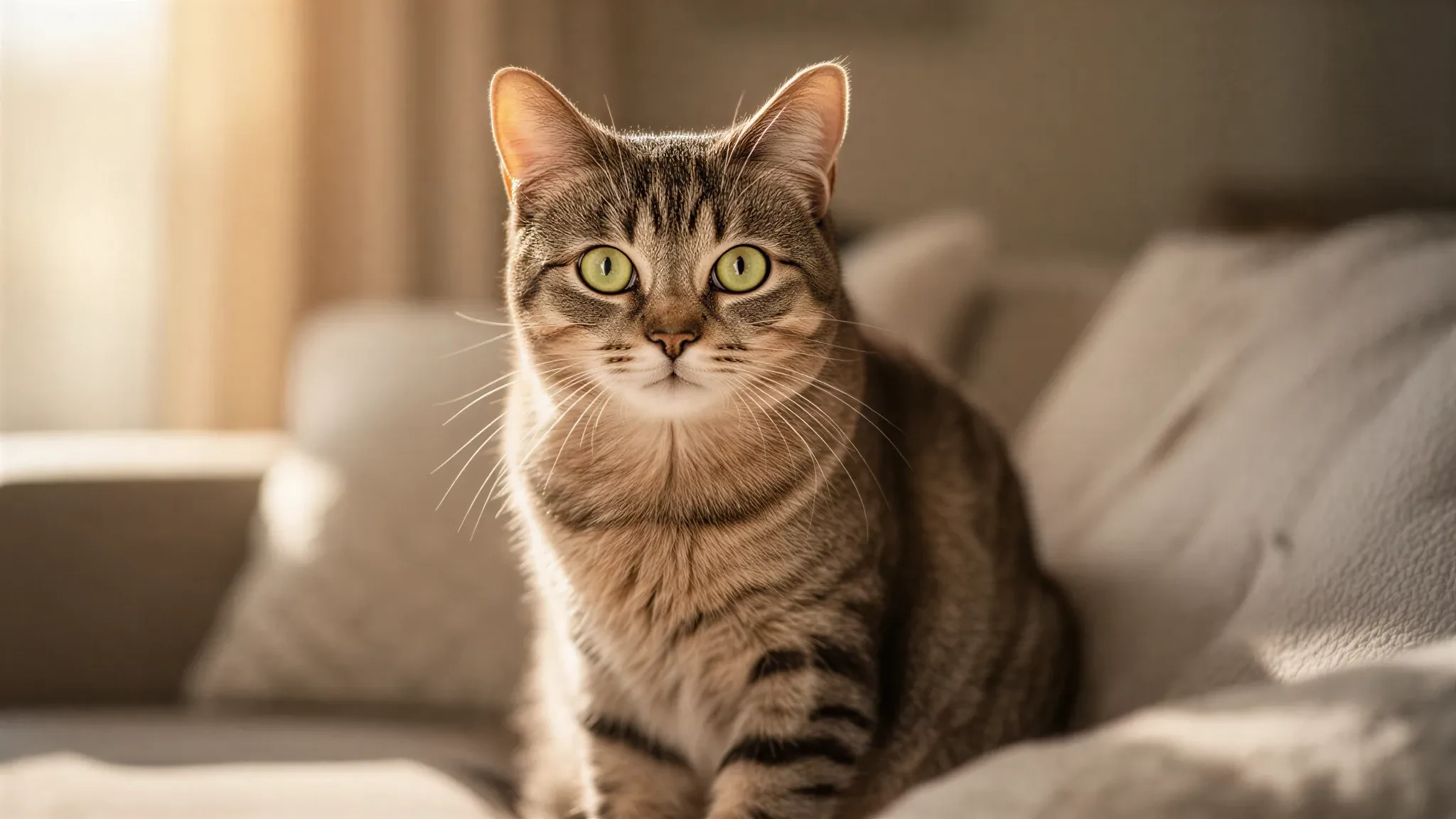
Some cat breeds consistently outlive others, with lifespans regularly reaching 15-20+ years. Genetics, size, and breed-specific health issues all influence longevity. This guide ranks the 10 longest-living cat breeds based on veterinary data and breed club records, plus tips for maximizing your cat’s lifespan regardless of breed.
Quick Picks: Our Top 5 Longest-Living Breeds
Siamese — 15-20 years, often reaching early 20s
Burmese — 16-18 years, robust health
Russian Blue — 15-20 years, hardy breed
Balinese — 18-22 years, Siamese relative
Savannah — 17-20 years, hybrid ancestry
1. Siamese (15-20+ Years)
Siamese cats are among the longest-living breeds, regularly reaching their late teens and early twenties. Their slender build and active lifestyle contribute to their longevity.
Why they live long: Siamese have few breed-specific health issues. Their slender build reduces stress on joints and organs. Active lifestyle keeps them fit throughout life.
Health considerations: Siamese can be prone to dental disease and respiratory issues. Regular dental care and veterinary checkups help prevent these problems.
Care tips: Provide plenty of interactive play to keep them active. Maintain dental hygiene with regular brushing. Schedule annual veterinary checkups.
2. Burmese (16-18 Years)
Burmese cats are known for their robust health and longevity. These muscular cats often live into their late teens with proper care.
Why they live long: Burmese have strong genetic health. Their muscular build supports overall health. Few breed-specific health issues affect them.
Health considerations: Burmese can be prone to diabetes and low potassium levels. Regular veterinary screening helps catch these issues early.
Care tips: Monitor weight to prevent obesity. Provide balanced diet to prevent diabetes. Schedule regular veterinary checkups.
3. Russian Blue (15-20 Years)
Russian Blue cats are hardy breeds with impressive longevity. These elegant cats often live into their late teens and early twenties.
Why they live long: Russian Blue have strong genetic health. Their moderate size reduces stress on organs. Few breed-specific health issues affect them.
Health considerations: Russian Blue are generally healthy with few breed-specific issues. Regular veterinary care maintains their health.
Care tips: Provide balanced diet to maintain healthy weight. Provide plenty of interactive play. Schedule annual veterinary checkups.
4. Balinese (18-22 Years)
Balinese cats are long-haired Siamese with similar longevity. These elegant cats often reach their early twenties with proper care.
Why they live long: Balinese share Siamese genetics for longevity. Their slender build reduces stress on organs. Active lifestyle keeps them fit.
Health considerations: Balinese can be prone to dental disease and respiratory issues. Regular dental care and veterinary checkups help prevent these problems.
Care tips: Provide plenty of interactive play. Maintain dental hygiene with regular brushing. Schedule annual veterinary checkups.
5. Savannah (17-20 Years)
Savannah cats are hybrids with impressive longevity. These exotic-looking cats often live into their late teens with proper care.
Why they live long: Hybrid vigor contributes to longevity. Their active lifestyle keeps them fit. Strong genetic health from wild ancestors.
Health considerations: Savannah can be prone to heart issues. Regular cardiac screening helps catch issues early.
Care tips: Provide plenty of space for exercise. Provide balanced diet to maintain healthy weight. Schedule regular veterinary checkups.
6. Manx (14-18 Years)
Manx cats are tailless breeds with good longevity. These sturdy cats often live into their mid-to-late teens with proper care.
Why they live long: Manx have strong genetic health. Their sturdy build supports overall health. Few breed-specific health issues affect them.
Health considerations: Manx can be prone to spinal issues due to tailless gene. Regular veterinary screening helps catch these issues early.
Care tips: Monitor for spinal issues. Provide balanced diet to maintain healthy weight. Schedule regular veterinary checkups.
7. Egyptian Mau (15-18 Years)
Egyptian Mau cats are ancient breeds with impressive longevity. These spotted cats often live into their mid-to-late teens with proper care.
Why they live long: Egyptian Mau have strong genetic health from ancient lineage. Their athletic build supports overall health. Few breed-specific health issues affect them.
Health considerations: Egyptian Mau are generally healthy with few breed-specific issues. Regular veterinary care maintains their health.
Care tips: Provide plenty of interactive play. Provide balanced diet to maintain healthy weight. Schedule annual veterinary checkups.
8. Turkish Angora (15-18 Years)
Turkish Angora cats are elegant breeds with good longevity. These graceful cats often live into their mid-to-late teens with proper care.
Why they live long: Turkish Angora have strong genetic health. Their elegant build supports overall health. Few breed-specific health issues affect them.
Health considerations: Turkish Angora can be prone to deafness in white cats. Regular hearing screening helps catch issues early.
Care tips: Monitor for hearing issues. Provide balanced diet to maintain healthy weight. Schedule regular veterinary checkups.
9. Persian (15-17 Years)
Persian cats are popular breeds with decent longevity. These fluffy cats often live into their mid-teens with proper care.
Why they live long: Persian have been bred for health in recent years. Their calm lifestyle reduces stress. Improved breeding practices have increased longevity.
Health considerations: Persian can be prone to respiratory issues and dental disease. Regular veterinary care helps manage these problems.
Care tips: Maintain dental hygiene with regular brushing. Provide balanced diet to maintain healthy weight. Schedule regular veterinary checkups.
10. Maine Coon (12-15 Years)
Maine Coon cats are large breeds with decent longevity for their size. These gentle giants often live into their mid-teens with proper care.
Why they live long: Maine Coon have been bred for health in recent years. Their sturdy build supports overall health. Improved breeding practices have increased longevity.
Health considerations: Maine Coon can be prone to heart issues and hip dysplasia. Regular cardiac and orthopedic screening helps catch issues early.
Care tips: Monitor for heart issues. Provide balanced diet to maintain healthy weight. Schedule regular veterinary checkups.
Tips for Maximizing Your Cat’s Lifespan
Regular Veterinary Care
Annual checkups catch health issues early. Senior cats need semi-annual checkups. Vaccinations and parasite prevention maintain health.
Balanced Nutrition
High-quality food supports overall health. Avoid overfeeding to prevent obesity. Fresh water should always be available.
Exercise and Enrichment
Regular play keeps cats fit and mentally stimulated. Provide climbing structures and toys. Interactive play strengthens your bond.
Dental Care
Regular dental care prevents disease. Brush teeth regularly with cat-safe toothpaste. Professional cleanings may be needed annually.
Stress Reduction
Minimize stress to support immune function. Provide safe spaces for retreat. Maintain consistent routines.
Frequently Asked Questions
What cat breed lives the longest?
Siamese and Balinese cats typically live the longest, often reaching 18-22 years. However, individual cats vary regardless of breed.
Do indoor cats live longer than outdoor cats?
Yes. Indoor cats live significantly longer than outdoor cats. Outdoor cats face risks from cars, predators, and disease. Indoor cats live 10-15 years on average.
How can I help my cat live longer?
Regular veterinary care, balanced nutrition, exercise, dental care, and stress reduction all contribute to longevity. Spaying and neutering also increases lifespan.
Do mixed-breed cats live longer than purebreds?
Mixed-breed cats can live long lives, and so can well-bred purebreds with health testing. Mixed heritage avoids some closed-registry risk but often means unknown parents, so it is not a longevity guarantee either way.
What’s the oldest cat on record?
The oldest cat on record lived to 38 years. However, this is exceptional. Most cats live 12-18 years with proper care.
Does size affect cat lifespan?
Generally, smaller cats live longer than larger cats. However, breed-specific health issues have more impact than size alone.
Do female cats live longer than males?
Spayed females often live slightly longer than neutered males. However, the difference is minimal with proper care.
Want to learn more about cat health? Read our Senior Cat Care guide or explore Cost of Owning a Cat for budget planning including veterinary care.