
What Is a Tabby Cat? Patterns, the M & Facts
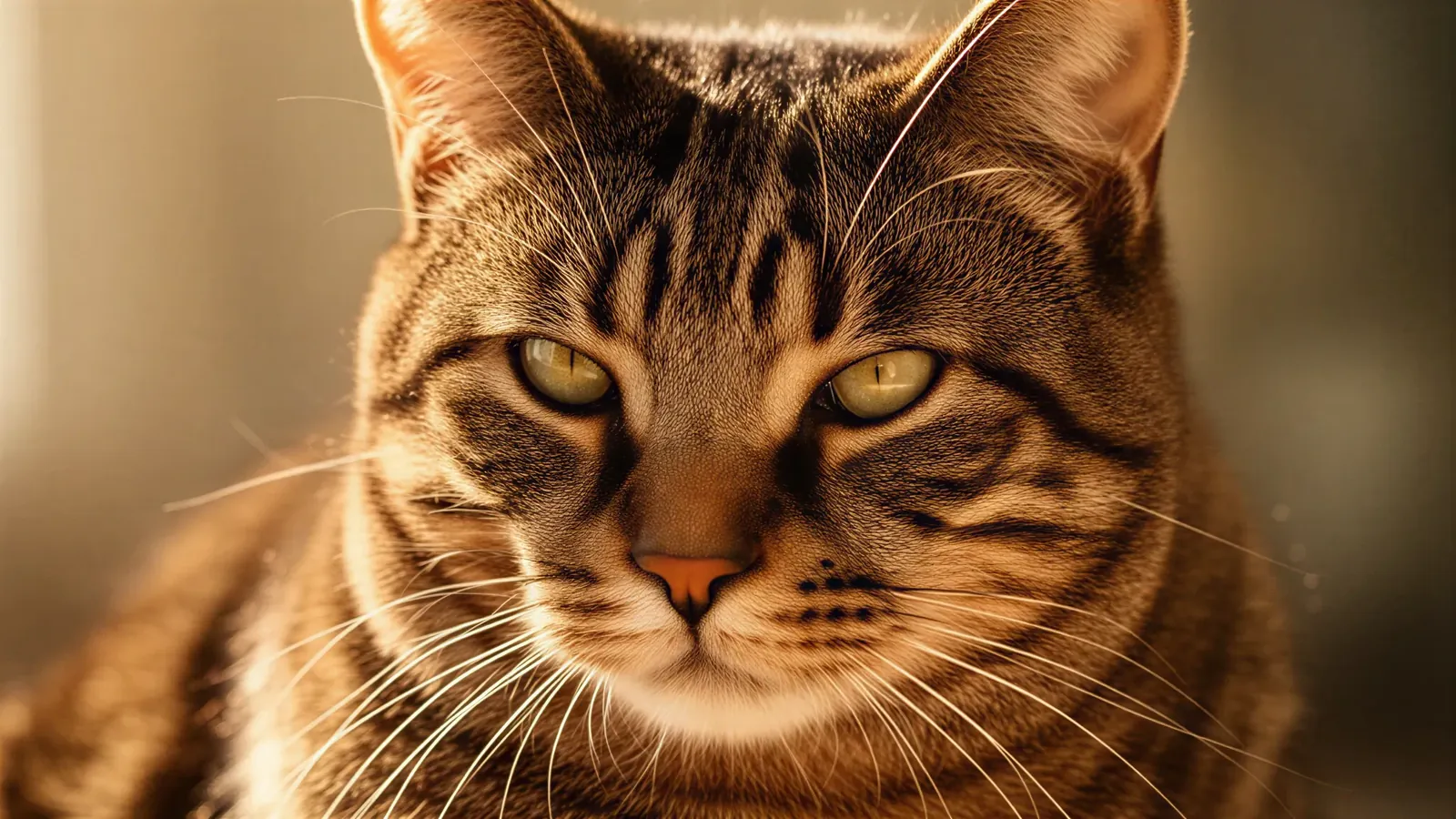
If you’ve been calling your striped cat a “tabby breed,” here’s the twist: tabby isn’t a breed at all — it’s a coat pattern. A tabby can be a pedigreed Maine Coon or the moggy from down the street. It’s the single most common coat pattern in cats, and it comes in four distinct types with one shared signature: the mark of the M. Here’s everything the tabby pattern actually means.
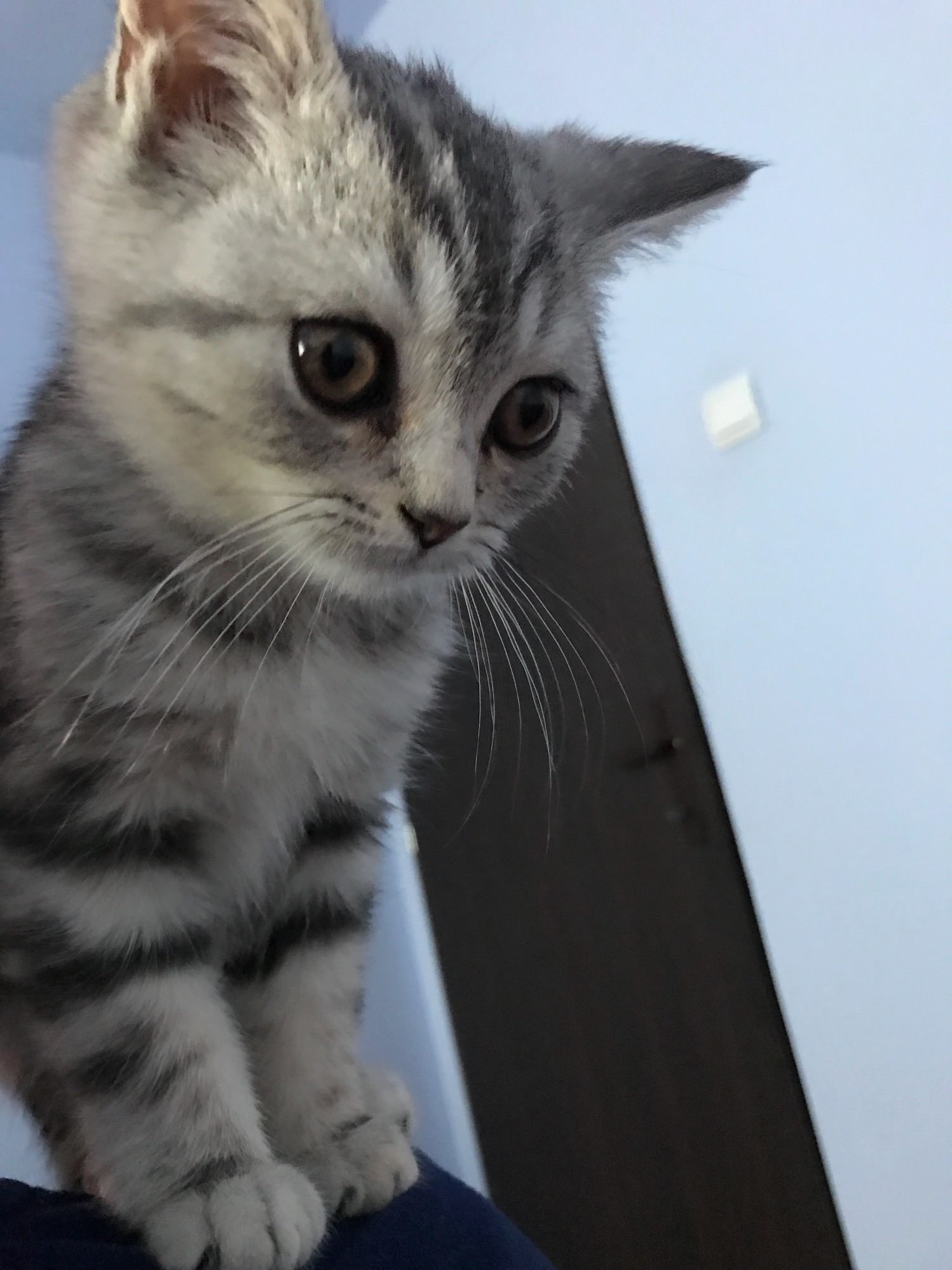
Tabby Is a Pattern, Not a Breed
The word “tabby” describes the markings on a cat’s coat, not its lineage. Dozens of breeds can be tabby — Maine Coons, Bengals, American Shorthairs, and countless mixed-breed cats — and so can cats of almost any color. It’s the ancestral pattern, too: wildcats are tabby, which is why the look runs so deep in domestic cats.
The Four Tabby Patterns
- Mackerel tabby. The classic “tiger” look — narrow vertical stripes running down the sides like fish bones (hence “mackerel”). This is the most common tabby pattern.
- Classic (blotched) tabby. Bold, swirling stripes that form a marbled or “bullseye” pattern on the flanks. Think of it as the mackerel’s swirlier cousin.
- Spotted tabby. Stripes broken up into spots, as seen on the Bengal and the Egyptian Mau.
- Ticked (agouti) tabby. No stripes on the body at all — each hair is banded with color, giving a speckled, “salt-and-pepper” look. The Abyssinian is the poster cat for this one.
The Mark of the M
Every tabby, regardless of pattern, wears a distinctive “M” on the forehead — a set of lines above the eyes that really does look like a letter M. Folklore has fun with it: one legend says the M honors Mary, another credits the prophet Muhammad’s fondness for cats, and a third ties it to the Egyptian word mau. The real reason is simply genetics — it’s part of the tabby pattern — but the myths are lovely.
Why (Almost) All Orange Cats Are Tabby
Here’s a fun fact: there’s no such thing as a solid orange cat. The gene that produces orange fur doesn’t fully suppress the tabby pattern, so ginger cats always show some striping — you’ll spot faint stripes on the legs, tail, and face even on a cat that looks mostly solid orange. So every orange cat is, technically, a tabby.
The “Ghost” Tabby
Look closely at a solid-colored kitten in bright light and you may see faint stripes that fade as it grows. These ghost markings are the tabby pattern showing through before the solid color fully develops — proof of how deeply the pattern is baked into cats.
Tabby Coat Colors
Tabby patterns come in many color varieties, including:
- Brown tabby — the classic warm brown-and-black
- Grey / silver tabby — cool grey stripes on a pale ground
- Orange (red) tabby — the ginger cat
- Cream tabby — a soft, diluted orange
- Torbie — a tortoiseshell cat with tabby striping (“tortie + tabby”)
Frequently Asked Questions
Is a tabby cat a breed?
No. Tabby is a coat pattern, not a breed. Many different breeds — and countless mixed-breed cats — can be tabby.
What does the M on a tabby’s forehead mean?
The M is simply part of the tabby genetic pattern, present on every tabby. Folklore links it to Mary, Muhammad, or the Egyptian word mau, but genetically it’s just a feature of the markings.
Are all orange cats tabby?
Yes. The orange gene doesn’t fully hide the tabby pattern, so every orange cat shows at least faint striping — meaning there’s no truly solid orange cat.
What are the four tabby patterns?
Mackerel (narrow stripes), classic (swirled/blotched), spotted, and ticked (banded hairs with no body stripes, like the Abyssinian).
Curious about other coats? Read what is a calico cat and cat eye colors explained, or find a name in the cat name generator.