
Best Hypoallergenic Cat Breeds: Do They Really Work?
The truth about hypoallergenic cats: no cat is truly hypoallergenic. However, some breeds produce less Fel d 1 protein, the primary allergen in cats. Breeds like Siberian, Balinese, and Devon Rex may be better tolerated by some allergy sufferers. This guide explains the science behind cat allergies, which breeds produce less allergen, and how to test your tolerance before bringing a cat home.
Understanding Cat Allergies
What Causes Cat Allergies
Cat allergies are caused by proteins, not fur. The primary allergen is Fel d 1, produced in cats’ salivary and sebaceous glands. When cats groom, they spread this protein on their fur. When the fur sheds, the allergen becomes airborne.
Fel d 1 is microscopic and sticky. It clings to clothing, furniture, and walls. It can remain in a home for months after a cat is gone. This is why some people react to cat allergens even in cat-free environments.
Not all cats produce the same amount of Fel d 1. Individual variation exists within breeds. Some cats naturally produce less allergen than others. This is why some allergy sufferers tolerate specific cats better than others.
Common Allergy Symptoms
Cat allergy symptoms include sneezing, runny or stuffy nose, itchy or watery eyes, skin rash or hives, coughing or wheezing, and difficulty breathing. Symptoms can appear within minutes of exposure or develop over hours.
Severe allergies can trigger asthma attacks. People with asthma and cat allergies are at higher risk for severe reactions. Consult an allergist if you have asthma and are considering a cat.
Symptoms vary by individual. Some people experience mild sneezing while others have severe reactions. The severity of your allergies should guide your breed choice.
Breeds That May Produce Less Allergen
Siberian
Siberians are often cited as the most hypoallergenic breed. Studies suggest some Siberians produce less Fel d 1 protein than other breeds. However, individual variation exists within the breed.
Siberians have triple coats that may trap allergens. Their long fur holds the allergen close to the body rather than releasing it into the air. Regular grooming helps remove allergens from the coat.
Not all Siberians are low-allergen. Some produce normal levels of Fel d 1. Ask breeders about allergy testing. Some breeders test their cats for Fel d 1 production.
Balinese
Balinese cats are long-haired Siamese with similar personalities. Despite their long coats, they may produce less Fel d 1 than other breeds. Their single-layered coat may trap allergens effectively.
Balinese are intelligent and vocal like their Siamese relatives. They form strong bonds with their families. Their moderate size makes them manageable for most households.
Individual variation exists within the breed. Some Balinese produce normal levels of allergen. Spend time with a specific cat before committing to ensure you tolerate them.
Devon Rex
Devon Rex cats have curly coats that may trap allergens. Their unique coat texture holds the allergen close to the body. Regular grooming helps remove allergens from the coat.
Devon Rex are playful and mischievous. They have large ears and elfin faces. Their small to medium size makes them suitable for apartments.
Their curly coats require minimal grooming. However, regular bathing helps remove allergens from the coat. This makes them more manageable for allergy sufferers.
Cornish Rex
Cornish Rex cats have curly coats similar to Devon Rex. Their unique coat texture may trap allergens effectively. Regular grooming helps remove allergens from the coat.
Cornish Rex are active and playful. They have slender builds and elegant appearances. Their moderate size makes them suitable for most households.
Their curly coats require minimal grooming. However, regular bathing helps remove allergens from the coat. This makes them more manageable for allergy sufferers.
Sphynx
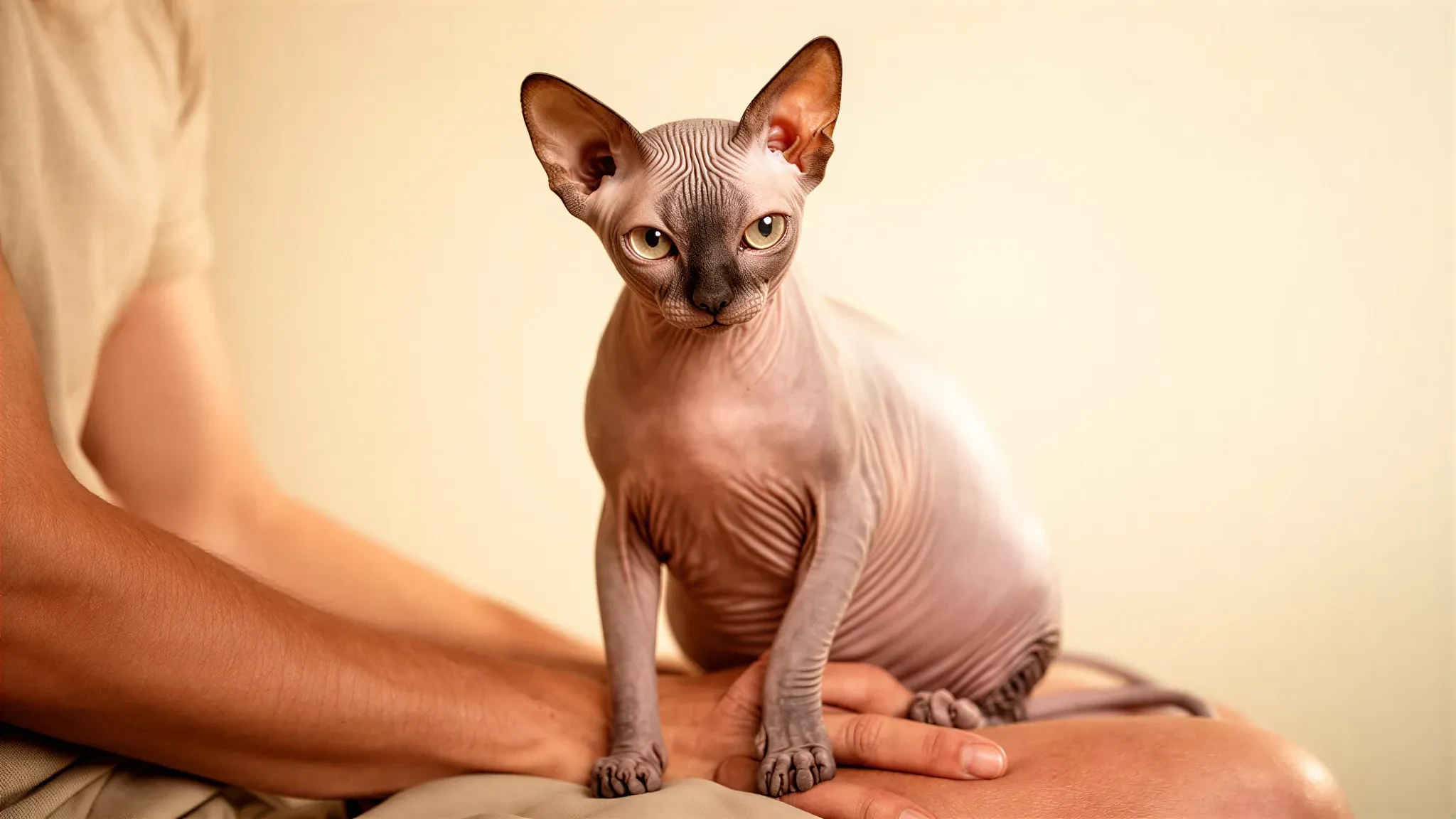
Sphynx cats are hairless but still produce allergens. However, without fur to trap and spread the allergen, they may be better tolerated. Regular bathing removes allergens from their skin.
Sphynx are affectionate and people-oriented. They seek warmth and will cuddle with their owners. Their unique appearance makes them conversation starters.
Sphynx require regular bathing to remove oil buildup. This frequent bathing also removes allergens. This makes them more manageable for allergy sufferers.
Other Breeds to Consider
Bengal — Short coat may trap less allergen
Burmese — Short coat with minimal shedding
Russian Blue — Dense coat may trap allergens
Siamese — Short coat with minimal shedding
Singapura — Small size means less allergen overall
Ocicat — Short coat with minimal shedding
Egyptian Mau — Short coat with minimal shedding
Abyssinian — Short coat with minimal shedding
Oriental Shorthair — Short coat with minimal shedding
Tonkinese — Short coat with minimal shedding
Testing Your Tolerance
Spend Time with the Breed
Before bringing a cat home, spend time with the specific breed. Visit breeders or shelters that have the breed you’re considering. Spend at least 30 minutes with the cat.
Pay attention to your symptoms during and after the visit. Note any sneezing, itching, or breathing difficulties. If you have no reaction, you may tolerate the breed.
Visit multiple times if possible. Allergy reactions can be cumulative. A single visit may not reveal your true tolerance level.
Consider Allergy Testing
Allergy testing can identify your specific triggers. Skin prick tests or blood tests can confirm cat allergies. This information helps you make informed decisions.
Some allergists offer Fel d 1 testing. This test measures your sensitivity to the specific cat allergen. This information helps you understand your risk level.
Discuss immunotherapy options with your allergist. Allergy shots can reduce sensitivity over time. This may allow you to tolerate cats better.
Trial Periods
Some breeders offer trial periods for allergy sufferers. This allows you to test your tolerance in your own home. Take advantage of these opportunities if available.
Start with short visits and gradually increase time spent with the cat. Monitor your symptoms throughout the trial period. If symptoms worsen, the cat may not be suitable.
Have a backup plan if the trial doesn’t work. Not all cats will be suitable for allergy sufferers. Be prepared to return the cat if necessary.
Managing Cat Allergens
Regular Grooming
Regular grooming reduces allergen levels. Brush your cat outdoors to remove loose fur and dander. Bathe your cat regularly to remove allergens from the coat.
Use allergen-reducing shampoos. These shampoos neutralize Fel d 1 protein. They’re available from veterinarians and pet supply stores.
Consider professional grooming. Professional groomers have equipment to capture allergens. This reduces the allergen load in your home.
Home Environment
Create cat-free zones in your home. Bedrooms should be cat-free to provide allergen-free sleeping areas. This gives your body a break from allergen exposure.
Use HEPA air purifiers. These filters capture airborne allergens. Place purifiers in rooms where you spend the most time.
Vacuum frequently with HEPA-filter vacuums. Regular vacuuming removes allergens from carpets and furniture. Vacuum at least twice weekly.
Personal Care
Wash your hands after handling your cat. This prevents transferring allergens to your eyes and nose. Wash your face if you’ve been cuddling your cat.
Change clothes after extended cat contact. Allergens cling to clothing. Changing clothes reduces allergen exposure.
Consider allergy medications. Antihistamines can reduce symptoms. Discuss options with your doctor or allergist.
Frequently Asked Questions
Are hypoallergenic cats real?
No cat is truly hypoallergenic. Some breeds produce less Fel d 1 protein, but all cats produce some allergen. Individual tolerance varies.
Which cat breed is best for allergies?
Siberian, Balinese, and Devon Rex are often cited as best for allergies. However, individual variation exists. Spend time with specific cats before committing.
Do male or female cats produce less allergen?
Neutered males and females produce similar amounts of allergen. Intact males produce more Fel d 1 than neutered males. Spaying and neutering reduces allergen production.
Do light-colored cats produce less allergen?
No. Coat color doesn’t affect allergen production. Fel d 1 production is independent of coat color. Choose based on breed, not color.
Can I build tolerance to cat allergies?
Some people build tolerance over time. Regular exposure can reduce sensitivity. However, this doesn’t work for everyone. Consult an allergist for personalized advice.
Should I get a hairless cat for allergies?
Hairless cats like Sphynx may be better tolerated. However, they still produce allergens. Regular bathing is essential to remove allergens from their skin.
How do I reduce cat allergens in my home?
Regular grooming, HEPA air purifiers, frequent vacuuming, and cat-free zones all help reduce allergens. Combine multiple strategies for best results.
Want to learn more about cat breeds? Read our Siberian Cat Guide for breed information or explore Cat Allergies for allergy management tips.