
When to Spay or Neuter a Kitten: Best Age & Timing
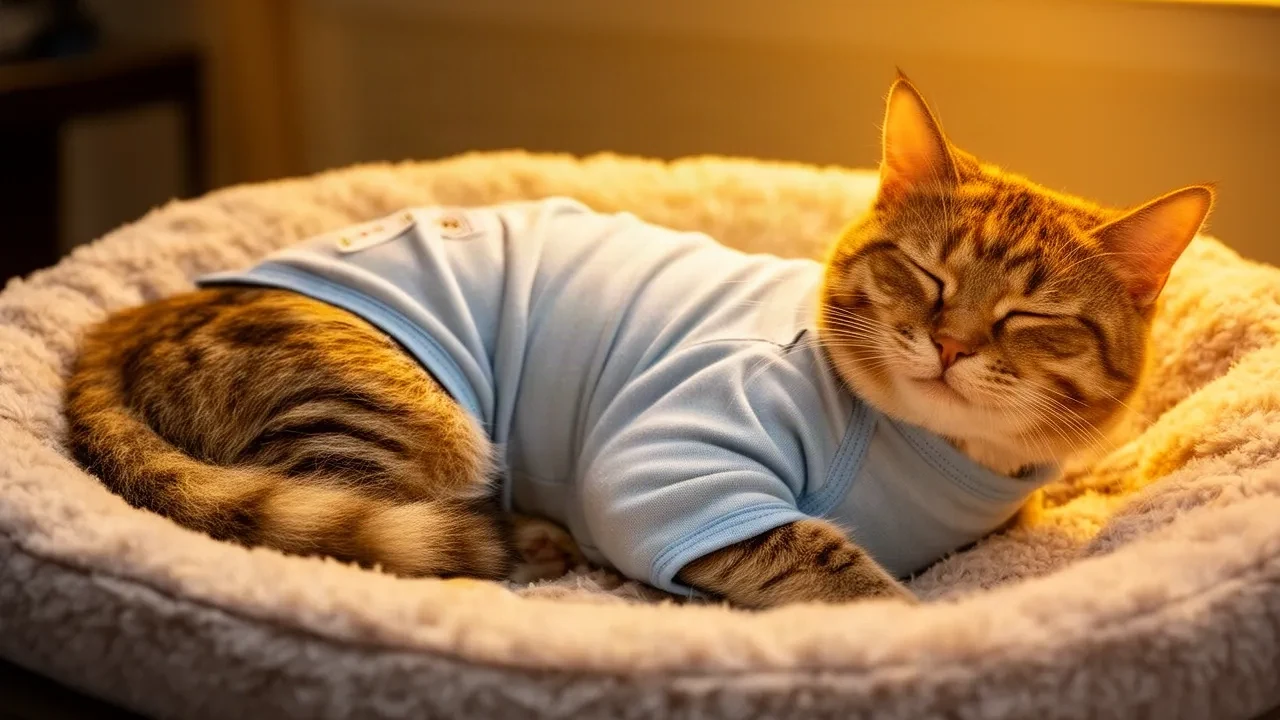
The optimal age to spay or neuter a kitten is before five months of age, ideally between four and five months old (or as early as eight weeks and two pounds in rescue shelters). Major veterinary organizations—including the American Veterinary Medical Association (AVMA) and the American Association of Feline Practitioners (AAFP)—endorse this “Fix by Five” standard because it prevents unwanted pregnancies before the first heat cycle, eliminates spraying, and reduces mammary cancer risks by over ninety percent. Track your kitten’s growth timeline with our Cat Age Calculator, or read our surgical guide below to understand benefits, procedure differences, and post-operative home recovery.
The Veterinary Shift: Why “Fix by Five” Is the Modern Standard
For decades, pet owners were told to wait until a cat reached six months of age before scheduling sterilization. That historical recommendation was based on outdated anesthesia protocols from the mid-twentieth century rather than modern feline physiology.
Female cats can enter their first estrus (heat) cycle as early as four months of age, particularly during spring and summer when increasing daylight triggers reproductive hormones. Once a female enters heat, she can become pregnant immediately, contributing to shelter overpopulation.
To close this gap, a coalition of veterinary bodies established the Veterinary Task Force on Feline Sterilization, launching the national “Fix by Five” initiative. Sterilizing cats by twenty weeks of age ensures surgery occurs before puberty arrives.
Younger kittens experience smoother surgical procedures: their blood vessels are smaller, internal tissue layers are thinner, and anesthesia recovery takes hours rather than days. Pediatric sterilization—performed in animal shelters on kittens at eight to twelve weeks weighing at least two pounds—has been safely practiced for over thirty years with zero long-term negative effects on skeletal growth or urinary tract development.
The Sterilization Timing Matrix
Veterinary timing balances physiological maturity, vaccination status, and shelter logistics. Below is how the three primary age windows compare:
| Age Window | Primary Medical Setting | Clinical Advantages | Considerations & Notes |
|---|---|---|---|
| 8–12 Weeks (Pediatric) | Shelters, Rescues, Adoption Programs | Rapid recovery, minimal anesthesia time, zero adoption delay | Standard practice in shelter medicine; requires minimum 2 lb body weight |
| 4–5 Months (“Fix by Five”) | Private Veterinary Practices | Complete prevention of first heat, 91% cancer risk drop | The veterinary gold standard for private pet homes |
| 6+ Months (Traditional/Delayed) | Delayed Home Appointments | Completed core vaccine series prior to surgery | High risk of accidental litter, heat distress, or established urine spraying |
Timing also shifts a little by sex and breed. Female kittens can enter their first heat as early as four months, which is why many veterinarians recommend spaying on the earlier side of the four-to-five-month window. Male kittens can be neutered a touch later without the same urgency, since they cannot become pregnant, but neutering before six months still prevents spraying before the habit starts. Large or slow-maturing breeds do not need to wait: there is no evidence that later sterilization improves skeletal development in cats the way some owners believe it does for large dog breeds. Brachycephalic breeds such as Persians may face slightly higher anesthesia risk because of their airway shape, so their timing is best decided with the veterinarian who will perform the surgery.
Medical & Health Benefits of Early Sterilization
Sterilization provides major lifelong medical benefits that dramatically extend a cat’s life expectancy.
Benefits for Female Cats (Spaying)
Spaying, clinically known as an ovariohysterectomy (removal of ovaries and uterus) or ovariectomy (removal of ovaries), eliminates several life-threatening reproductive illnesses:
Mammary neoplasia (breast cancer) is the third most common feline cancer, and approximately eighty-five to ninety percent of feline mammary tumors are highly malignant adenocarcinomas that metastasize rapidly. Spaying a female cat before her first heat cycle reduces her lifetime risk of developing mammary cancer by ninety-one percent. After one heat cycle, the risk reduction drops to eighty-six percent, and after two years of age, spaying provides zero protective reduction against mammary tumor formation.
Spaying completely eliminates pyometra, an acute, life-threatening bacterial infection of the uterus that affects up to twenty-five percent of intact female cats over their lifespan. Pyometra fills the uterine horns with toxic pus and requires emergency surgery carrying high mortality risks.
The numbers behind these benefits come from long-standing veterinary research. Studies following cats spayed before and after their first estrus have repeatedly shown the protective effect against mammary cancer, and both the Cornell Feline Health Center and the AVMA cite sterilization as the single most effective way to reduce reproductive disease and unwanted litters. For males, neutering removes the source of testosterone that drives roaming and the fight-related spread of FIV and FeLV, which is why shelters treat early neutering as standard preventive care.
Benefits for Male Cats (Neutering)
Neutering, or orchiectomy (castration), involves the surgical removal of both testicles:
Neutering eliminates testicular cancer and drastically lowers the incidence of painful prostate conditions.
Intact male cats are driven by potent testosterone surges to wander miles away from home seeking females in heat, exposing them to vehicular collisions, predator attacks, and territorial fights with stray cats. Cat bite wounds during territorial battles are the primary transmission route for Feline Immunodeficiency Virus (FIV) and Feline Leukemia Virus (FeLV). Neutering removes the hormonal compulsion to wander and fight.
Behavioral Benefits & Debunking Common Myths
Beyond physical health, sterilization creates a calmer, safer home environment for both cats and human families.
Eliminating Territorial Spraying & Estrus Calling
Intact male cats reach sexual maturity by six months and begin marking furniture, walls, and curtains with pungent, concentrated territorial urine. Neutering before sexual maturity prevents this habit from forming in over ninety percent of male cats. Even in older males who have already begun spraying, neutering eliminates or significantly reduces the behavior in the vast majority of cases.
Intact female cats in heat vocalize with loud, piercing yowls at all hours of the night, pace nervously, and rub aggressively against doors in an attempt to escape outside to find a mate. Spaying permanently prevents estrus distress.
Debunking Persistent Sterilization Myths
Several enduring misconceptions continue to misinform pet owners:
The belief that a female cat should experience one heat cycle or nurse one litter before spaying is biologically false. There is zero physiological, emotional, or behavioral benefit to allowing a cat to give birth. Pregnancy strains a young queen’s body and increases her lifetime risk of reproductive cancers.
Another common myth is that neutering makes cats lazy and overweight. While metabolic energy requirements decrease by roughly twenty to twenty-five percent following sterilization due to reduced hormonal output, obesity is entirely preventable by measuring daily food portions and providing interactive playtime.
Finally, historical claims that early neutering causes urinary blockages in male cats have been thoroughly disproven by multi-year veterinary studies, which confirmed that adult urethral diameter is identical regardless of whether a cat was neutered at seven weeks or seven months.
Surgical Differences: Spay vs. Neuter
Understanding the anatomical difference between procedures helps owners prepare for post-operative recovery:
A spay is a major internal abdominal surgery. The veterinarian makes an incision through the ventral midline of the abdomen, locates the reproductive tract, ligates the ovarian and uterine blood vessels, removes the organs, and closes the muscle wall and skin in multiple suture layers. Surgery takes twenty to forty minutes and requires general anesthesia with endotracheal intubation.
A neuter is a quick, minimally invasive external procedure. The veterinarian makes two tiny incisions directly in the scrotal sac, exteriorizes the testicles, ties off the spermatic cords and blood vessels, and removes the testicles. The scrotal incisions are so small that they are typically left to heal naturally without external stitches. The entire surgery takes under ten minutes.
What Spaying and Neutering Costs
Cost varies widely by region and setting, but knowing the ranges helps you budget before scheduling. Private veterinary practices typically charge between $150 and $300 for a spay and $100 to $200 for a neuter, with spays costing more because they are a longer abdominal surgery. Low-cost clinics and nonprofit programs often perform the same procedures for $40 to $100, and many shelters include sterilization in the adoption fee. The final price also shifts with your cat’s age and size, whether the surgery happens during a heat cycle, and any pre-surgical blood work or microchipping you add. Call a few local providers to compare, and ask what the quoted fee covers—some estimates include anesthesia, pain medication, and a follow-up exam, while others add them separately.
7-Day Post-Operative Home Recovery Protocol
Providing conscientious home care ensures your kitten’s surgical site heals cleanly without complications.
When your kitten comes home from surgery, expect them to be groggy, wobbly, and possibly a little vocal or restless as the anesthesia wears off. They may not want to eat until the next morning, which is normal, and their first trips to the litter box might look unsteady. Keep them in one small, warm room where you can watch the incision and where they cannot jump, and everything else tends to fall into place.
1. Establish a Quiet Recovery Sanctuary
Set up a small, quiet room—such as a warm bathroom or spare bedroom—away from other pets and active children for the first forty-eight hours. Remove high cat trees, elevated furniture, and step stools to prevent jumping, which can tear internal sutures.
2. Restrict Physical Activity
Keep your kitten calm and contained for seven to ten days. Avoid vigorous wand play, sprinting, and roughhousing with other household pets.
3. Switch to Dust-Free Paper Pellet Litter
Standard clay clumping litter produces fine silica dust and granules that can stick directly to fresh surgical incisions, causing painful bacterial infections. Replace clay litter with dust-free recycled paper pellet litter for seven to ten days post-surgery. Prepare your setup with our guide to the best cat litter for kittens.
4. Prevent Incision Licking with Recovery Wear
Licking is the primary cause of post-operative incision breakdown and infection. Use a soft fabric recovery suit (a cat onesie) or an Elizabethan collar (e-collar) for seven to ten days until the incision has sealed completely.
| Recovery Day | Expected Healing Milestones | Required Care & Monitoring |
|---|---|---|
| Days 1–2 | Mild grogginess from anesthesia, reduced appetite, light incision redness | Keep kitten warm and quiet; offer half-sized meals; check incision twice daily |
| Days 3–5 | Energy returns to normal; incision edges seal; swelling subsides | Enforce rest strictly; keep recovery suit on; prevent jumping onto furniture |
| Days 6–7 | Skin incision nearly healed; normal appetite and litter box habits | Final incision inspection; gradual reintroduction to full household |
When to Call the Veterinarian
Inspect your kitten’s incision site twice daily in good lighting. Minor redness and slight skin firming along the incision line are normal aspects of healing.
Contact your veterinarian immediately if you notice active bleeding or dripping from the incision, yellow or green foul-smelling discharge, or significant swelling, gaping, or missing sutures. Persistent vomiting, refusing water for twenty-four hours, or extreme lethargy that leaves the kitten unable to stand are equally urgent, and pale or white gums can point to internal hemorrhage.
If you notice any of these signs, consult your veterinarian. This article is for informational purposes and does not replace professional veterinary advice.
Before surgery day, ensure your home is fully equipped by reviewing our new kitten checklist.
Frequently Asked Questions
Can a kitten in heat be spayed safely?
Yes, a kitten in active heat can be spayed safely, though the surgery requires extra surgical care. During estrus, uterine blood vessels become enlarged and engorged with blood, slightly increasing surgical time and potential bleeding risks. Some veterinarians charge a modest additional fee for in-heat spays.
Will neutering calm down an hyperactive kitten?
Neutering removes hormonal behaviors like urine marking, territorial aggression, and mating-related pacing, but it does not change a kitten’s natural playfulness, curiosity, or energetic temperament. A high-energy kitten will remain playful and fun-loving after surgery.
How long does a kitten stay groggy after anesthesia?
Most kittens recover from the primary sedative effects of general anesthesia within twelve to twenty-four hours. By the morning following surgery, your kitten should be alert, walking steadily, and eager for breakfast.
Do post-op stitches need to be removed by a vet?
Most modern veterinary spay surgeries use absorbable subcutaneous sutures placed beneath the skin, along with surgical skin glue, which dissolve on their own over several weeks and do not require removal. If your veterinarian used non-absorbable external skin sutures or staples, they will schedule a brief removal appointment ten to fourteen days post-surgery.
How much does it cost to spay or neuter a kitten?
Costs vary by region and setting. Private veterinary practices typically charge $150 to $300 for a spay and $100 to $200 for a neuter, while low-cost clinics and nonprofits often charge $40 to $100. Many shelters include the procedure in the adoption fee, so ask what is covered before you book.
Can I spay or neuter an 8-week-old kitten?
Yes, if the kitten is healthy and weighs at least two pounds. Pediatric sterilization at eight to twelve weeks has been standard practice in shelter medicine for decades and carries no known long-term negative effects on growth or urinary health. Most private practices, however, prefer the four-to-five-month window unless the kitten is being adopted from a shelter.
How long does it take for a kitten to recover fully?
Most kittens are back to normal energy within two to three days, but the incision takes about seven to ten days to fully seal, which is why activity restriction and recovery wear should stay in place that long. The internal layers of a spay can take longer to reach full strength, so follow your veterinarian’s specific instructions on when to resume jumping and rough play.
Will my kitten gain weight after being fixed?
It is common for a cat’s metabolism to slow after sterilization, but weight gain is not inevitable. Spayed and neutered cats need roughly twenty to twenty-five percent fewer calories than intact cats, so trimming portions slightly and keeping up interactive play usually prevents any gain. If the scale starts to creep up, adjust the food before it becomes a habit.
Do I need to wait for my kitten to finish all their vaccines first?
You do not need to wait for the full vaccine series. Veterinary bodies including the AVMA and the Veterinary Task Force on Feline Sterilization support sterilizing kittens before the series is complete, provided the kitten is healthy at the time of surgery. Your veterinarian may time the procedure around a vaccination visit, but an incomplete series is not a barrier.