
Why Do Cats Hiss? What Your Cat Is Really Saying
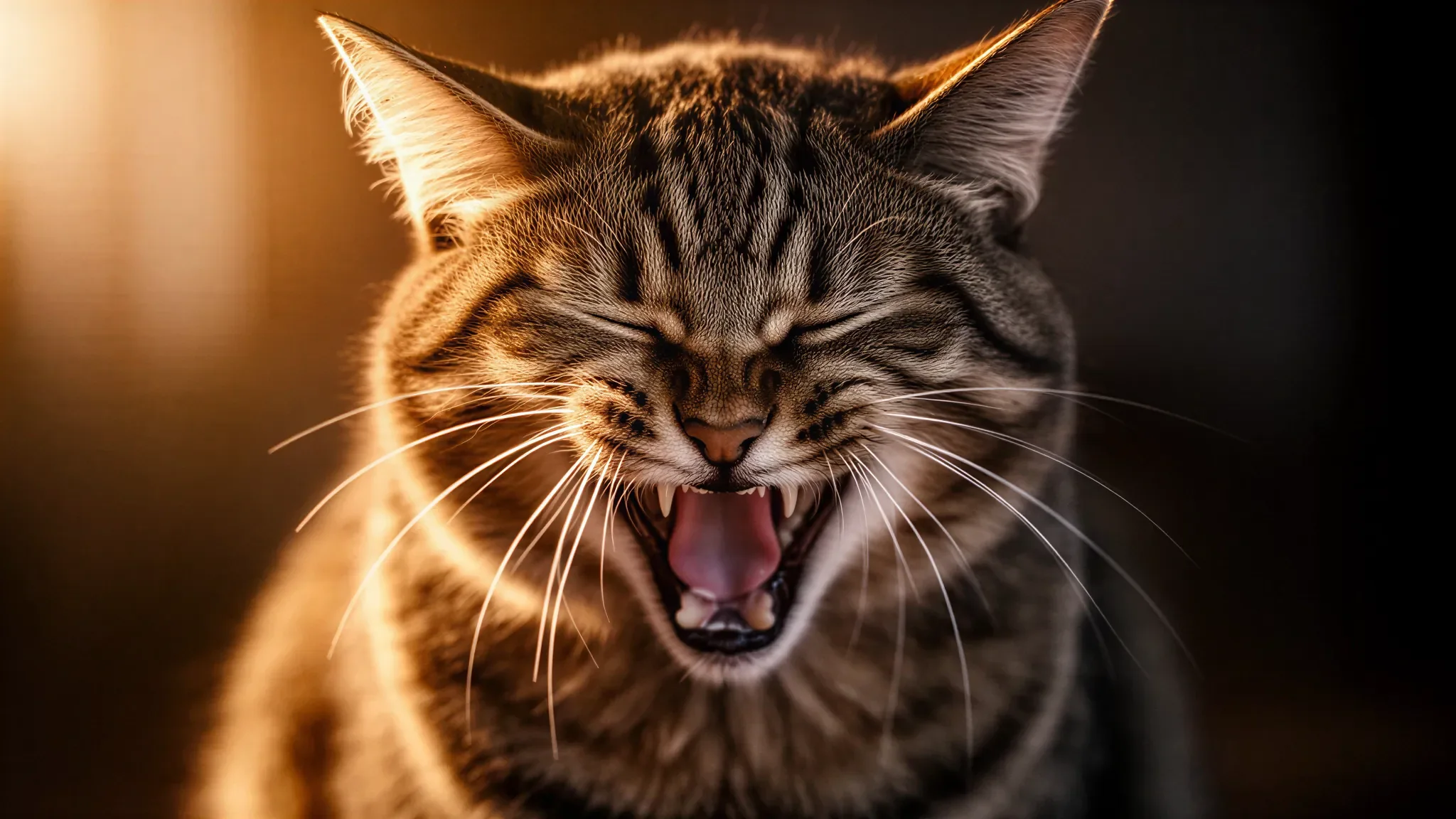
Cats hiss as a defensive warning signal, not an act of aggression. Hissing communicates fear, discomfort, or the desire to be left alone. When your cat hisses, they’re saying “back off” or “I’m scared.” Understanding the difference between defensive hissing and true aggression helps you respond appropriately. This guide explains why cats hiss, what different hissing situations mean, and when hissing warrants veterinary attention.
Reason 1: Fear and Self-Defense
Hissing is primarily a fear response. Cats hiss when they feel threatened or cornered. The hiss warns potential threats to back off before the cat escalates to physical defense. It’s a communication tool, not an attack.
Cats who hiss from fear display other body language signals. Ears flatten against the head, pupils dilate, and the body crouches low. The cat may arch their back and puff their fur to appear larger. These signals combined with hissing clearly communicate fear.
Fear-based hissing is common in new environments. Cats brought to new homes may hiss at family members, other pets, or visitors. This is normal adjustment behavior that typically resolves as the cat becomes comfortable.
Cats who have had negative experiences may hiss preemptively. A cat who was mishandled may hiss when approached. This is learned defensive behavior that requires patience and positive experiences to overcome.
Reason 2: Pain and Medical Issues
Cats in pain may hiss when touched or approached. This protects painful areas from further discomfort. A cat who suddenly starts hissing when handled may be experiencing pain.
Common medical causes of hissing include dental disease, arthritis, injuries, and internal pain. Cats hide pain well, and hissing may be the only visible sign. Sudden hissing in a previously friendly cat warrants veterinary evaluation.
Senior cats who start hissing may be experiencing age-related pain. Arthritis, dental disease, and other chronic conditions cause pain-related hissing. Veterinary evaluation rules out medical causes.
Cats with urinary issues may hiss while using the litter box or shortly after. The discomfort from urinary tract infections, bladder stones, or other urinary problems triggers defensive behavior. This type of hissing warrants immediate veterinary attention.
Reason 3: Territorial Defense
Cats may hiss to defend territory from intruders. This includes other cats, unfamiliar animals, or even unfamiliar humans. The cat is protecting their space.
Territorial hissing is common when introducing new cats to established cats. The resident cat is defending their territory from the newcomer. Proper introductions reduce territorial hissing during introductions.
Outdoor cats visible through windows may trigger territorial hissing. Your indoor cat is defending their territory from the perceived intruder. Blocking window access or using deterrents can reduce this trigger.
Resource guarding can trigger territorial hissing. Cats may hiss to guard food bowls, litter boxes, or favorite sleeping spots. Providing multiple resources reduces competition and hissing.
Reason 4: Overstimulation During Petting
Some cats hiss when petting becomes overstimulating. What starts as enjoyable contact becomes uncomfortable. The hiss communicates “stop now” before the cat escalates to biting.
Overstimulation hissing is often preceded by warning signals. Tail twitching, skin rippling, ear flattening, and tension indicate the cat is reaching their limit. Learning to read these signals prevents hissing incidents.
Different cats have different tolerance levels for petting. Some cats enjoy extended petting while others prefer brief contact. Respect individual preferences.
Petting-sensitive cats may need shorter, more frequent sessions. Focus on preferred areas like the head and chin. Avoid the belly and tail base which are common overstimulation triggers.
Reason 5: Maternal Protection
Mother cats hiss to protect their kittens. This maternal hissing warns potential threats to stay away from the nest. It’s a natural protective instinct that ensures kitten safety.
Maternal hissing is most intense during the first weeks after birth. Mother cats may hiss at familiar humans during this period. This is normal protective behavior that typically resolves as kittens grow.
Handling kittens too frequently may trigger maternal hissing. Limit handling during the first weeks unless necessary. Allow the mother cat to establish security with her kittens.
Female cats who have lost kittens may continue protective behaviors. They may hiss at imaginary threats or protect objects as if they were kittens. This typically resolves with time.
When to See a Vet
Sudden onset hissing warrants veterinary evaluation. Medical causes should be ruled out before assuming behavioral issues. Sudden changes often indicate health problems.
Hissing accompanied by other symptoms needs attention. Changes in appetite, litter box habits, or activity level indicate medical issues. Multiple symptoms together suggest a medical problem.
Senior cats with new hissing should be evaluated for age-related conditions. Pain, cognitive decline, and medical issues cause hissing in seniors. Early detection of age-related conditions improves outcomes.
Hissing that doesn’t improve with environmental changes needs professional help. If you’ve tried multiple solutions without improvement, consult your vet or a behaviorist.
How to Respond to Cat Hissing
Give your cat space when they hiss. Don’t force interaction or punish the behavior. Hissing is communication, and respecting it builds trust. Forcing contact after hissing damages your relationship.
Identify and remove triggers when possible. If your cat hisses at specific stimuli, limit exposure. Gradual desensitization can help cats become comfortable with triggers over time.
Use positive reinforcement for calm behavior. Reward non-hissing behavior with treats and praise. Never reward hissing, but do reward when your cat remains calm in previously triggering situations.
Consult professionals for persistent hissing. Veterinarians can rule out medical causes. Behaviorists can develop modification plans for behavioral hissing. Don’t wait for the situation to escalate.
Frequently Asked Questions
Is a hissing cat aggressive?
Not necessarily. Hissing is usually defensive, not aggressive. It communicates fear or discomfort rather than intent to attack. True aggression includes growling, swatting, and biting.
Should I punish my cat for hissing?
No. Punishment makes fear-based hissing worse. Hissing is communication, and punishing it teaches your cat not to warn before escalating. Respect the hiss and address the underlying cause.
Why does my cat hiss at me suddenly?
Sudden hissing may signal pain, illness, or fear. Medical causes should be ruled out first. If your cat was previously friendly and suddenly hisses, see your vet.
How do I stop my cat from hissing at visitors?
Provide safe spaces where your cat can retreat. Use pheromone diffusers to reduce stress. Gradually introduce visitors with positive associations. Never force interaction.
Can stress cause hissing?
Yes. Stress is a common cause of hissing. Changes in routine, new pets, moves, and renovations all cause stress-related hissing. Address underlying stress causes.
How long does it take to stop hissing behavior?
Medical issues resolve with treatment. Behavioral issues take 2-4 weeks of consistent effort. Patience and consistency are essential.
When should I see a behaviorist for hissing?
If hissing poses safety risks or doesn’t improve with management, consult a behaviorist. Some conflicts require professional intervention. Don’t wait for serious injuries.
Want to understand more cat behaviors? Read our Cat Body Language Guide or explore Cat Aggression for more behavior insights.