
Why Do Cats Purr When Dying? Signs & What It Means
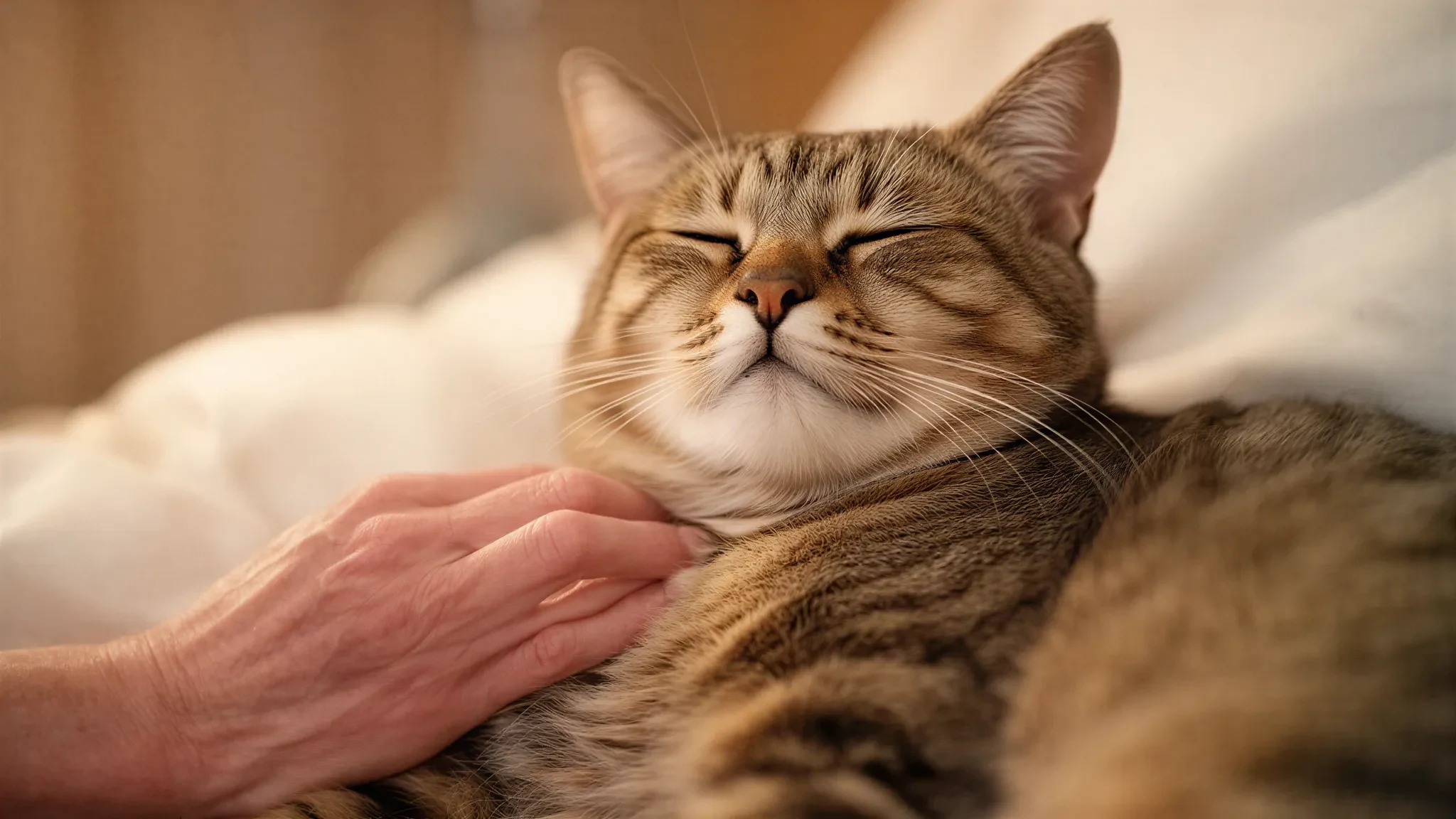
Cats may purr when dying, which can be confusing and emotionally difficult for owners. This purring isn’t necessarily a sign of contentment — it can be self-soothing, pain management, or a final communication. Understanding why cats purr at end of life helps owners make sense of this behavior during an already difficult time. This guide explains the reasons cats purr when dying, how to interpret end-of-life purring, and how to provide comfort during your cat’s final days.
Why Cats Purr When Dying
Self-Soothing Behavior
Purring is a self-soothing mechanism that cats use throughout their lives. When stressed, frightened, or in pain, cats purr to calm themselves. This is similar to how humans might hum or rock themselves when upset. At end of life, purring serves this same self-soothing function.
Dying is a stressful experience for cats. They sense that something is wrong even if they don’t understand death. Purring helps them cope with the stress and fear of dying. It’s a natural comfort mechanism.
The vibration of purring releases endorphins that make cats feel better. This neurochemical response provides genuine comfort during difficult times. Your cat is literally comforting themselves through purring.
Self-soothing purring at end of life is normal and healthy. It indicates your cat is using natural coping mechanisms. This behavior should be respected and supported.
Pain Management
Purring has documented healing and pain-relieving properties. Research shows that vibrations at 25-150 Hz — the range of cat purrs — can reduce pain, promote tissue healing, and ease breathing. Cats may purr when dying to manage pain naturally.
Cats hide pain as a survival instinct. Purring allows them to manage pain without showing vulnerability. This is consistent with how cats handle discomfort throughout their lives.
End-of-life purring may indicate your cat is experiencing pain but coping through purring. This doesn’t mean they’re suffering unbearably — it means they’re using natural pain management. Work with your vet on appropriate pain medication.
The healing properties of purring may provide genuine comfort at end of life. Even if curing isn’t possible, purring can make the process more comfortable. This is your cat’s natural palliative care.
Communication with Family
Cats may purr when dying to communicate with their family. Purring maintains connection with trusted humans during the transition. It’s a way of saying “I’m still here, I still trust you.”
Some cats purr to reassure their humans. They sense your distress and respond with comforting purrs. This is a final gift of love from your cat.
Purring can be a request for continued presence. Your cat may purr to encourage you to stay close. They want family near during this transition.
The purring may be gratitude for care provided. Cats who have been well-cared for may purr as a final thank you. This is a peaceful end to your relationship.
Physiological Changes
As cats approach death, bodily functions change. Purring may occur due to changes in breathing patterns or muscle relaxation. This is a physiological response rather than intentional communication.
The dying process affects the nervous system. Purring may be a reflex response to these changes. This isn’t conscious behavior but a natural physiological process.
Some cats purr due to changes in consciousness. As awareness fades, purring may continue as an automatic behavior. This is similar to how humans may make sounds during unconscious states.
Understanding that some purring is physiological helps owners interpret the behavior. Not all end-of-life purring has emotional meaning. Some is simply the body’s natural processes.
Interpreting End-of-Life Purring
Signs of Peaceful Passing
Purring combined with relaxed body language indicates peaceful passing. Soft purring with loose muscles, half-closed eyes, and slow breathing suggests your cat is comfortable. This is a good sign.
Cats who purr while being petted are likely comfortable. They’re accepting touch and responding positively. This indicates trust and relative comfort.
Purring that gradually decreases as breathing slows indicates natural transition. This is the normal dying process. Your cat is peacefully transitioning.
Cats who seek contact and purr are communicating trust. They want to be near family during the transition. This is a sign of a strong bond.
Signs of Discomfort
Purring combined with tense body language may indicate discomfort. Tight muscles, dilated pupils, or flattened ears alongside purring suggest your cat is using purring to cope with pain or stress.
Purring that stops when touched may indicate pain. Cats who purr alone but stop when handled may be experiencing pain from touch. This warrants pain medication adjustment.
Rapid or labored breathing with purring indicates respiratory distress. This is uncomfortable for cats. Discuss breathing support with your vet.
Restlessness combined with purring suggests discomfort. Cats who can’t get comfortable despite purring may need medication adjustment. Discuss options with your vet.
When to Consult Your Vet
If you’re unsure whether your cat is comfortable, consult your vet. They can assess pain levels and adjust medications. Palliative care can improve end-of-life quality.
Sudden changes in purring patterns warrant attention. Increases or decreases in purring may indicate changing comfort levels. Your vet can help interpret these changes.
Difficulty breathing, inability to get comfortable, or signs of severe pain need immediate attention. These indicate your cat may be suffering. Euthanasia may be the kindest option.
Discuss quality of life assessments with your vet. They can help you determine when it’s time to consider euthanasia. This is one of the hardest but most loving decisions you’ll make.
Providing Comfort at End of Life
Pain Management
Work with your vet on appropriate pain medication. Cats need different pain management than humans. Veterinary-prescribed medications are safest and most effective.
Monitor for signs of pain despite medication. Hiding, not eating, vocalizing, or tension may indicate inadequate pain control. Contact your vet if you observe these signs.
Comfortable positioning helps reduce pain. Provide soft bedding in your cat’s preferred positions. Support arthritic joints with pillows or rolled towels.
Maintain consistent medication schedules. Pain medication works best when blood levels are consistent. Don’t skip doses even if your cat seems comfortable.
Environmental Comfort
Create a quiet, calm space for your cat. Reduce noise, traffic, and stress in their area. Peaceful environments support comfortable passing.
Maintain comfortable temperature. Dying cats may have trouble regulating body temperature. Provide warmth without overheating.
Provide easy access to resources. Place food, water, and litter boxes near your cat’s resting area. Minimize the need to move.
Spend time with your cat if they want it. Some cats want constant presence while others prefer quiet. Follow your cat’s cues.
Emotional Support
Your presence matters even if your cat seems unaware. Cats can sense family presence even when unresponsive. Your voice and touch provide comfort.
Speak softly and reassuringly. Your cat can hear you even if they don’t respond. Tell them you love them and thank them for being part of your life.
Maintain routines as much as possible. Familiar patterns provide comfort. Feed, medicate, and interact at consistent times.
Take care of yourself during this difficult time. Grief support is important. Reach out to friends, family, or pet loss support groups.
Making Difficult Decisions
Quality of Life Assessment
Use quality of life scales to assess your cat’s status. These tools help evaluate pain, hunger, hydration, hygiene, happiness, mobility, and more good days vs. bad. The HHHHHMM scale is commonly used.
Track daily observations in a journal. Note eating, drinking, mobility, comfort, and engagement. Patterns over time help inform decisions.
Discuss quality of life with your vet regularly. They can provide objective assessment of your cat’s condition. Veterinary input helps guide difficult decisions.
Consider your cat’s perspective, not just yours. It’s natural to want more time but consider whether more time benefits your cat. Quality matters more than quantity.
When Euthanasia Is Kindest
Euthanasia is appropriate when suffering outweighs quality of life. Cats who can’t eat, move comfortably, or engage with family may be ready. This is a loving choice to prevent suffering.
Discuss euthanasia timing with your vet before crisis occurs. Having a plan reduces stress when the time comes. Know what to expect and how to prepare.
Home euthanasia is available in many areas. This allows your cat to pass peacefully at home. Discuss options with your vet.
Aftercare options include burial, cremation, and memorial services. Decide what feels right for your family. Many communities have pet cemeteries and cremation services.
Grief and Healing
Grief after losing a cat is real and valid. Allow yourself to feel and process your loss. Pet loss is significant and deserves acknowledgment.
Create memorials that honor your cat. Photos, paw prints, or memory boxes help process grief. Rituals provide closure.
Support groups for pet loss are available. Sharing with others who understand helps healing. Many veterinary schools and animal welfare organizations offer support groups.
Remember that choosing euthanasia to prevent suffering is an act of love. You’re sparing your cat pain. This is the final gift you can give.
Frequently Asked Questions
Do all cats purr when dying?
No. Some cats purr when dying while others don’t. Individual variation exists. Purring or not purring doesn’t indicate anything about the quality of passing.
Is a purring cat in pain at end of life?
Not necessarily. Purring can indicate comfort or pain management. Look at the whole picture — body language, breathing, and overall condition tell you more than purring alone.
Should I wake my dying cat if they’re sleeping?
No. Let your cat rest. Wake them only for medication or if they need to move for comfort. Sleep is natural and comfortable at end of life.
How do I know if my cat is ready for euthanasia?
When bad days outnumber good days, when pain can’t be controlled, or when your cat can’t engage in activities they enjoy, it may be time. Discuss with your vet using quality of life assessments.
Can I be present during euthanasia?
Yes. Most vets encourage owners to be present. You can pet and talk to your cat during the procedure. This provides comfort during the transition.
What happens during euthanasia?
Your cat receives an injection that peacefully stops the heart. It’s quick and painless. Your cat will drift into sleep and pass peacefully within minutes.
How do I cope with losing my cat?
Allow yourself to grieve. Seek support from friends, family, or pet loss groups. Create memorials. Remember that grief is the price of love and it does get better with time.
Want to understand more cat behaviors? Read our Senior Cat Care guide for aging-cat guidance and the signs worth a vet visit.