
Why Do Cats Meow? Understanding Feline Vocalization
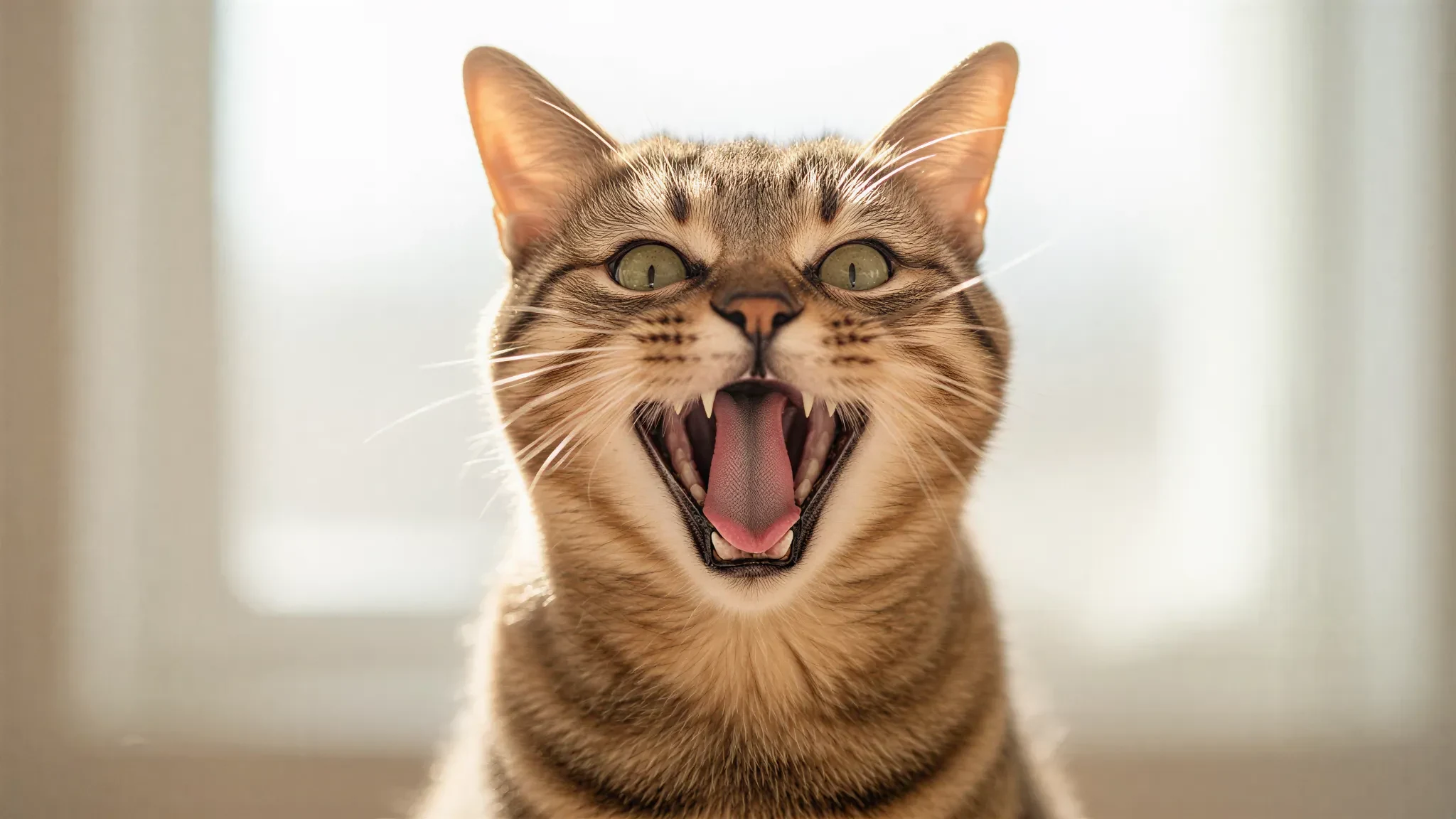
Cats meow to communicate with humans, not with other cats. Adult cats rarely meow at each other — they’ve developed this vocalization specifically for human interaction. Different meows convey different messages from greeting to demanding to distress. Understanding what your cat’s meows mean helps you respond appropriately to their needs. This guide explains why cats meow, what different types of meows communicate, and when excessive meowing warrants veterinary attention.
Why Cats Meow at Humans
Learned Communication
Kittens meow at their mothers to signal needs. They meow when hungry, cold, or in distress. Mother cats respond to these vocalizations. This is natural kitten-to-mother communication.
As cats mature, they stop meowing at other cats. Adult cats communicate through body language, scent, and other vocalizations like hisses and growls. Meowing is reserved for human interaction.
Cats learn that humans respond to vocalization. When kittens meow at humans and get responses, they continue the behavior. This operant conditioning shapes adult cat communication.
Individual cats develop unique meow repertoires. Your cat has specific meows for specific purposes. You learn to recognize these over time. This is personalized human-cat communication.
Attention-Seeking
Cats meow to get human attention. This is one of the most common reasons for meowing. Your cat wants interaction, petting, or play. The meow says “notice me.”
Attention-seeking meows are often persistent and repetitive. Cats will continue meowing until they get the desired response. Some cats develop specific attention meows that are hard to ignore.
Some cats meow more than others based on personality. Social breeds like Siamese are naturally more vocal. Individual cats also vary in vocalization regardless of breed.
Cats who are left alone frequently may meow more for attention. They maximize interaction time when humans are available. This is normal behavior for social cats.
Requesting Resources
Food-related meowing is extremely common. Cats learn that meowing at meal times produces food. They also meow when they see you near food areas. This is request behavior.
Water requests are less common but occur. Cats may meow near empty water bowls or fountains. Some cats meow to request fresh water.
Litter box issues can trigger meowing. Cats may meow near dirty boxes or when boxes need scooping. Some cats vocalize to request clean boxes.
Access requests are common. Cats meow at closed doors wanting entry or exit. They’re requesting access to specific spaces. This is territorial behavior.
Types of Meows and Their Meanings
Short, High-Pitched Meows
Short, high-pitched meows typically indicate greeting. Your cat is saying hello when you come home or enter a room. This is a friendly, welcoming vocalization.
These meows are often accompanied by tail-up posture. The combination signals friendly greeting. Your cat is happy to see you.
Multiple short meows in succession indicate excitement. Your cat is particularly happy to see you. This is common after absences.
Kittens use short, high-pitched meows frequently. They’re greeting and requesting attention from mother cats. Adult cats retain this greeting style with humans.
Prolonged, Drawn-Out Meows
Prolonged meows indicate specific requests. Your cat wants something specific — food, access, or attention. The extended vocalization emphasizes the request.
These meows are often repetitive. Cats will repeat prolonged meows until their request is fulfilled. Persistence is part of the communication strategy.
The tone can indicate urgency. More urgent requests have more insistent tones. Cats modulate their meows to communicate priority.
Some cats develop “complaint” meows that are prolonged and low-pitched. These express dissatisfaction with something. Your cat is registering a protest.
Multiple Meows in Sequence
Multiple meows in happy succession indicate excitement. Your cat is particularly pleased about something. This is common when you come home with groceries or after absences.
Excitement meows are often accompanied by active body language. Tail up, rubbing against legs, and circling all indicate happy excitement.
Some cats “talk” in sequences when you talk to them. This is conversational behavior. Your cat is engaging in back-and-forth communication.
Multiple meows can also indicate frustration. Cats who aren’t understood may repeat meows with increasing intensity. They’re trying to make themselves clear.
Silent Meows
Silent meows appear to be vocalization without sound. Cats open their mouths in meowing motion but no sound emerges. This is actually a very high-pitched meow that humans can’t hear.
Silent meows are often greeting or request vocalizations. Your cat is communicating but the frequency is outside human hearing range. Some people can hear faint sounds.
Cats who silent meow may also produce regular meows. They have a range of vocalizations for different purposes. Silent meows are just one type.
Some cats silent meow more as they age. Vocal cord changes can affect sound production. Silent meowing in seniors is usually normal.
Excessive Meowing Causes
Medical Causes
Cognitive dysfunction in senior cats causes excessive vocalization. Cats with cognitive decline may meow loudly at night, seem disoriented, or vocalize without apparent reason. This is similar to dementia in humans.
Hyperthyroidism increases vocalization. Overactive thyroid speeds metabolism and affects behavior. Affected cats may meow more frequently and seem restless. Weight loss despite good appetite is a key symptom.
Hearing loss can cause louder meowing. Cats who can’t hear themselves may vocalize more loudly. This is similar to humans who speak loudly when they can’t hear well.
Pain causes increased vocalization. Cats in pain may meow more frequently or differently. Sudden changes in vocalization warrant veterinary evaluation.
Behavioral Causes
Boredom causes excessive meowing. Cats with inadequate stimulation vocalize from lack of engagement. This is common in indoor cats without adequate enrichment.
Attention-seeking can become excessive. Cats who learn that meowing gets attention may meow constantly. This behavior is reinforced by owner responses.
Stress and anxiety increase vocalization. Cats under stress may meow more frequently. Changes in routine, new pets, or moves all cause stress-related meowing.
Habit can perpetuate excessive meowing. Cats who have meowed excessively for years continue the behavior. Breaking established habits takes time and consistency.
Environmental Causes
Hunger triggers meowing. Cats who are fed inconsistently may meow more around meal times. Regular feeding schedules reduce hunger-related vocalization.
Loneliness increases vocalization. Cats left alone frequently may meow more when humans are home. They’re maximizing interaction time.
Temperature discomfort can cause meowing. Cats who are too hot or cold may vocalize. Ensure comfortable temperatures for your cat.
Changes in environment trigger vocalization. New furniture, moved items, or renovations can cause temporary increases in meowing. Cats vocalize about changes to their territory.
Managing Excessive Meowing
Rule Out Medical Causes
See your vet for sudden changes in vocalization. Medical causes should be ruled out before assuming behavioral issues. Sudden changes often indicate health problems.
Senior cats with new excessive meowing need evaluation. Cognitive decline, thyroid issues, and other age-related conditions cause vocalization. Blood work identifies underlying causes.
Pain-related meowing needs attention. Cats who meow when touched or in specific situations may be in pain. Veterinary evaluation identifies pain sources.
Follow veterinary recommendations for medical causes. Treating underlying conditions often resolves excessive meowing. Medication may be needed for some conditions.
Behavioral Modification
Don’t reward demanding meows. Ignore attention-seeking vocalization. Respond only when your cat is quiet. This teaches that quiet behavior gets attention.
Provide regular scheduled attention. Set aside dedicated play and petting times daily. This reduces attention-seeking meowing between sessions.
Use positive reinforcement for quiet behavior. Reward silent periods with treats and attention. This reinforces the behavior you want.
Be consistent across all family members. Everyone should respond the same way to meowing. Inconsistent responses confuse cats and perpetuate the behavior.
Environmental Modifications
Provide adequate enrichment. Puzzle feeders, toys, and climbing structures reduce boredom-related meowing. Mentally stimulated cats vocalize less.
Maintain consistent routines. Predictable feeding, play, and interaction times reduce anxiety-related meowing. Cats thrive on consistency.
Create comfortable environments. Ensure appropriate temperatures, comfortable resting spots, and adequate resources. Comfortable cats vocalize less.
Use calming products for stressed cats. Feliway diffusers, calming treats, and prescription medications can help. Discuss options with your vet.
Frequently Asked Questions
Why does my cat meow at night?
Night meowing can signal boredom, hunger, cognitive decline, or medical issues. Young cats may be bored and want play. Seniors may be confused or experiencing cognitive decline. Rule out medical causes with your vet.
Do cats meow more as they age?
Yes. Senior cats often meow more due to cognitive decline, sensory loss, or medical conditions. Hearing loss can cause louder meowing. Veterinary evaluation helps identify the cause.
Why does my cat meow at closed doors?
Cats meow at doors to request access or express curiosity about what’s outside. Some cats meow at doors as territorial announcements. They want to control access to spaces.
Can cats learn to meow on command?
Yes. Cats can learn to meow on command through positive reinforcement training. Clicker training and treats can shape this behavior. Some cats naturally meow when asked.
Why does my cat meow after using the litter box?
Post-litter box meowing can signal discomfort from urinary issues or can be a territorial announcement. Persistent meowing after litter box use warrants veterinary evaluation.
Do different cat breeds meow differently?
Yes. Siamese cats are famously vocal with loud, distinctive voices. Some breeds like Russian Blues are typically quiet. Individual personality also affects vocalization regardless of breed.
Can excessive meowing be trained away?
Often yes. Don’t reward demanding meows with attention or food. Provide regular scheduled attention. Use positive reinforcement for quiet behavior. Consistency is key to changing vocal patterns.
Want to understand more cat behaviors? Read our Why Do Cats Meow at Humans for human-directed vocalization or explore Cat Body Language Guide for non-vocal communication.