
Kittens Napping: How Much Sleep Is Normal & When to Worry
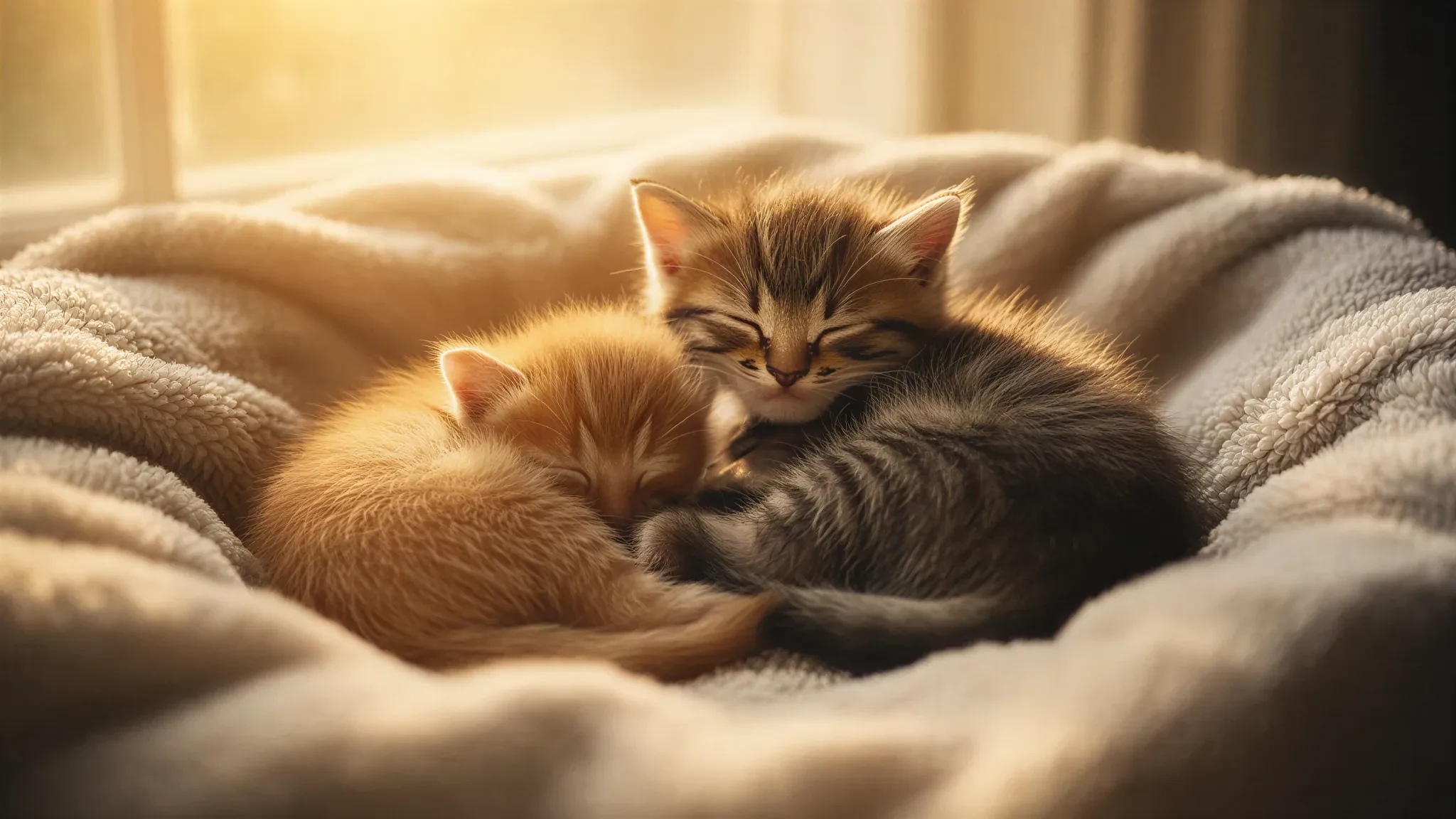
If you just brought home a kitten, you might be wondering whether something is wrong — because it seems to do nothing but sleep. In almost every case, that is exactly what a healthy kitten is supposed to do. After 30 years of living with cats, I’ve raised plenty of kittens, and the constant napping is one of the most normal (and most adorable) parts of those first few months. Here’s how much sleep is normal at each age, what all those napping positions actually mean, how to set up a cozy spot, and the handful of signs that mean a nap is worth a second look.
How Much Do Kittens Sleep?
Newborn kittens sleep around 90% of the day — roughly 20 to 22 hours. As they grow, that number drifts down toward the 12 to 16 hours an adult cat sleeps, but a young kitten napping most of the day and playing in short, intense bursts is completely typical.
The reason is growth. During deep sleep, a kitten’s body releases growth hormone and its nervous system does the wiring that turns a wobbly newborn into a coordinated hunter. Sleep isn’t downtime for a kitten — it’s when most of the development actually happens. The Cornell Feline Health Center describes this heavy sleep demand as a normal feature of feline development, not a warning sign.
Kitten Sleep by Age
Use this as a rough guide — every kitten is a little different.
| Age | Typical sleep | What’s going on |
|---|---|---|
| Newborn (0–4 weeks) | ~20–22 hrs/day | Rapid growth; can’t yet regulate body temperature |
| 4–12 weeks | ~18–20 hrs/day | Short bursts of play between long naps; learning coordination |
| 3–6 months | ~16–18 hrs/day | Longer awake windows, more mischief, still growing fast |
| Adult (1 yr+) | ~12–16 hrs/day | Settled into the classic cat “nap, hunt, repeat” rhythm |
Why Kittens Nap So Much
Three things drive all that sleeping:
- Growth and brain development. Growth hormone is released during deep sleep, and much of a kitten’s neurological development happens while it’s out cold.
- Energy conservation. Kittens play hard. Cats are crepuscular — most active at dawn and dusk — so they bank energy with long daytime naps between those bursts.
- They’re still babies. Just like human infants, the youngest kittens simply need far more sleep than they will as adults.
Napping Positions and What They Mean
Half the fun of a napping kitten is the ridiculous shapes. A few you’ll see constantly:
- Curled in a ball (the “cat loaf” with a tuck). Conserves heat and protects the belly — the default when a kitten feels a little cool or cautious.
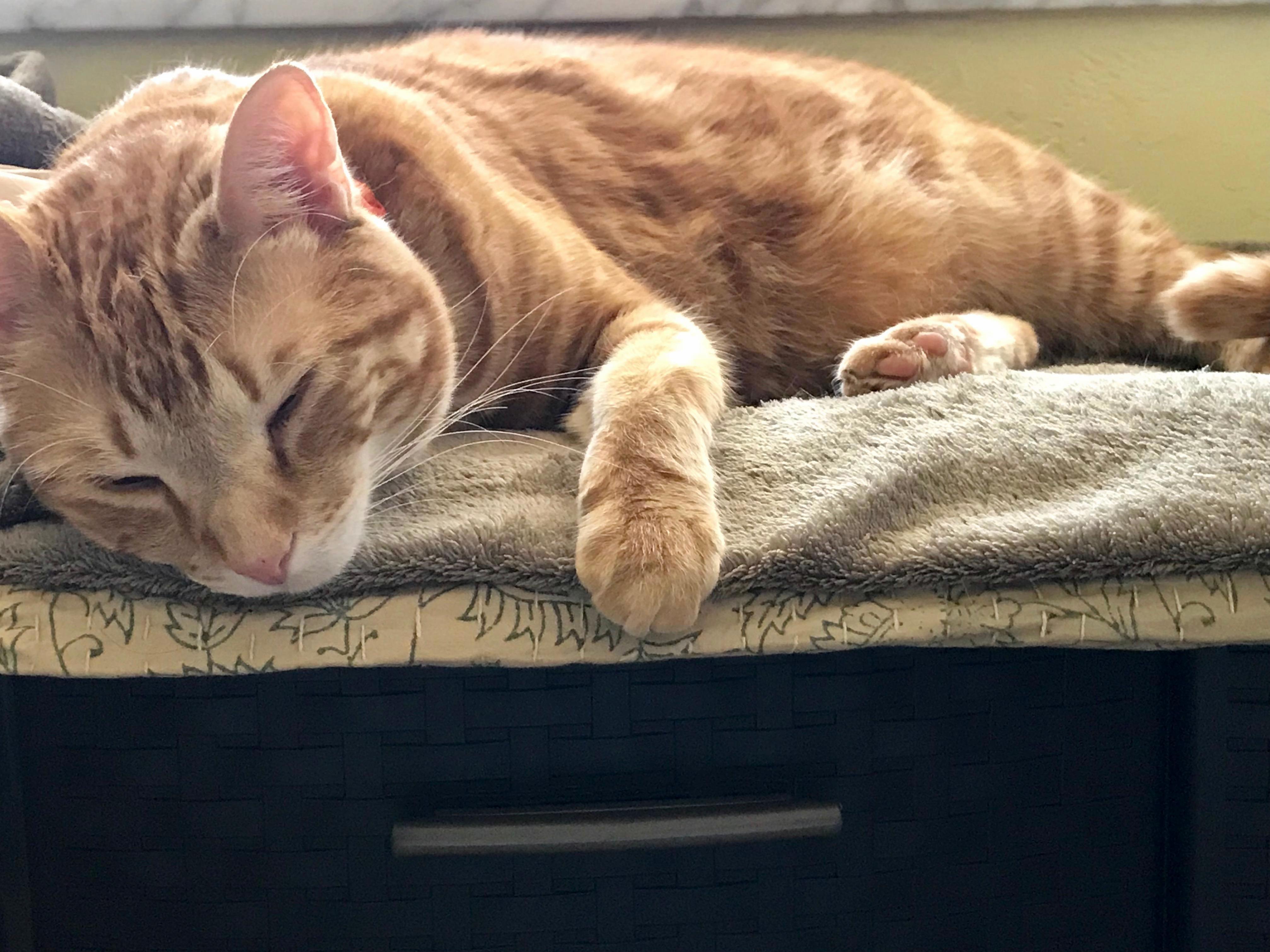
- Belly-up, paws in the air. A vulnerable position a kitten only takes when it feels completely safe. If your kitten sleeps like this, take it as a compliment.
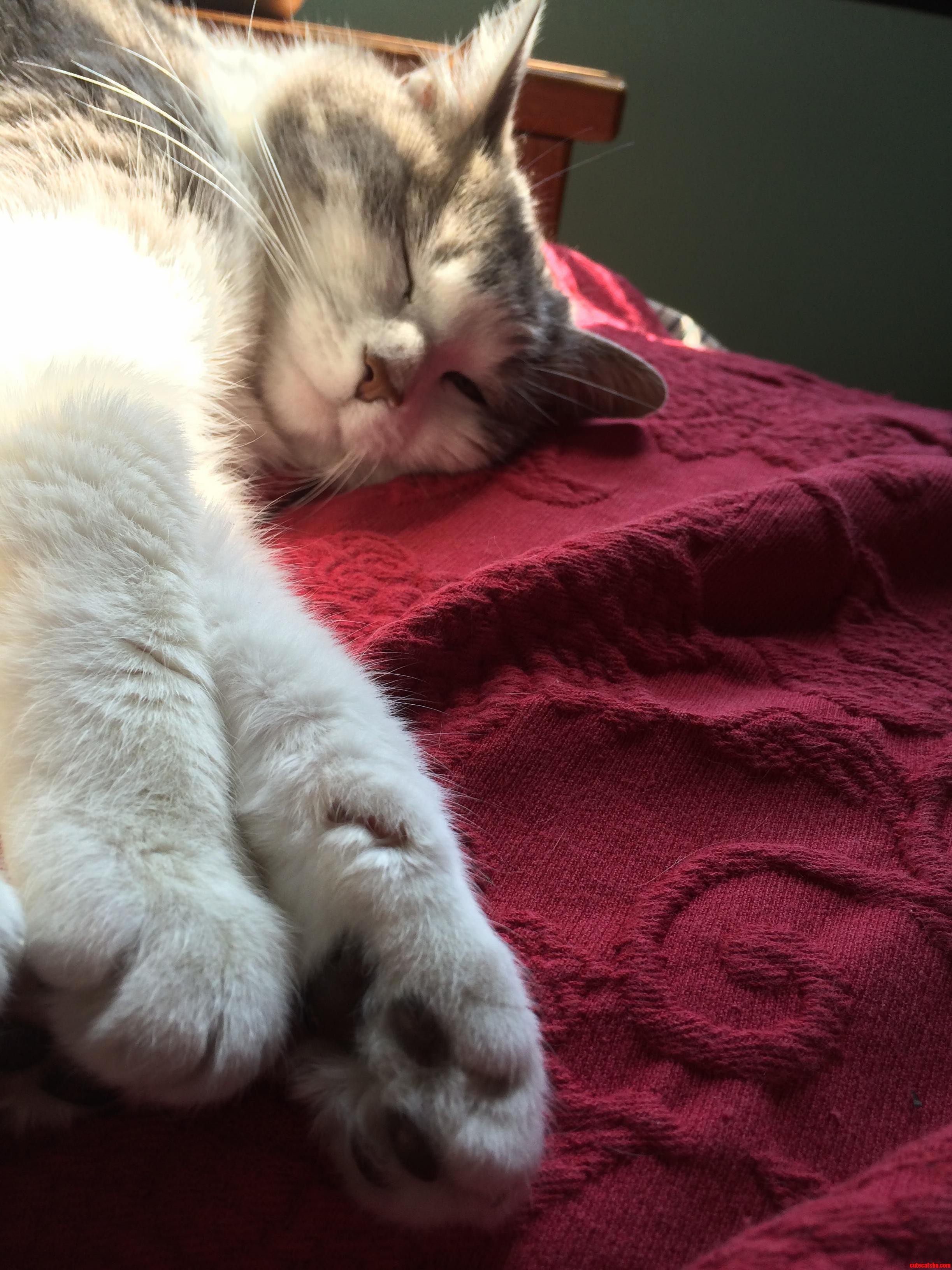
- Face-down / “head too heavy.” Kittens flop wherever sleep catches them, often mid-play. Harmless and hilarious.
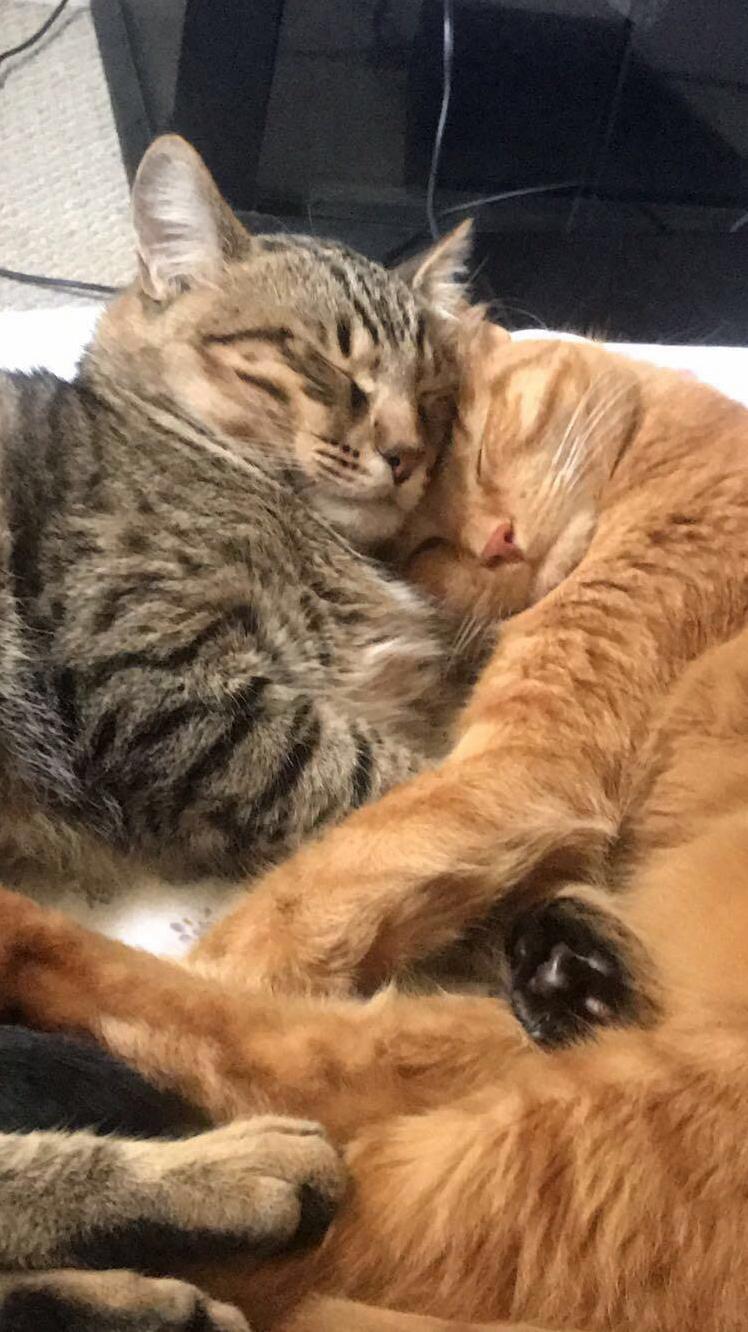
- Piled on a sibling or on you. Warmth plus security. Very young kittens especially seek out a warm body because they can’t fully regulate their own temperature yet.
How to Create a Safe Nap Spot
Kittens will sleep anywhere, but a good nap space helps them feel secure and stay healthy:
- Keep it warm. Kittens under about four weeks can’t regulate their own body temperature well, so a warm, draft-free spot matters. A soft bed away from cold floors and vents is ideal.
- Make it quiet and slightly enclosed. Cats feel safest napping somewhere they can’t be ambushed — a covered bed, a box on its side, or a quiet corner works better than the middle of a busy room.
- Put it near you, but not underfoot. Kittens want to be close to their people. A bed in the room you use most beats a far-off “cat room” they’ll ignore.
- Skip the hazards. No cords, no reclining-chair mechanisms, no laundry piles they can get shut into. Kittens seek out warm enclosed spaces, so check before you close a drawer, dryer, or door.
If you’re setting up for a brand-new arrival, our new kitten checklist walks through the rest of the gear and the first vet visits.
When a Napping Kitten Is a Concern
Lots of sleep is normal. What matters is how your kitten looks and acts when it’s awake. Sleeping is different from lethargy — a napping kitten wakes easily, eats eagerly, and plays hard. Call your veterinarian if you notice:
- Hard to wake, or unusually limp or unresponsive when roused.
- Not eating or drinking, or noticeably less than usual. Young kittens can go downhill fast without food.
- Pale or bluish gums, labored breathing, vomiting, or diarrhea alongside the sleepiness.
- A sudden change — a normally playful kitten that abruptly sleeps far more and engages far less.
These are the situations where “just sleeping” can mask illness, and with very young kittens it’s always worth a same-day call to the vet. For the normal end of the spectrum, our guide on why cats sleep so much covers adult sleep patterns in more depth.
Frequently Asked Questions
Is it normal for my kitten to sleep all day? Yes. Kittens sleep 16–20+ hours a day depending on age, waking for short, energetic bursts of play and eating. As long as your kitten is alert, eating well, and playful when awake, all-day napping is normal.
Do kittens dream? Almost certainly. Kittens enter REM sleep — you’ll see twitching paws, whiskers, and ears while they’re out. REM is especially important for the developing brain, which is part of why young kittens spend so much time asleep.
Should I wake my kitten to eat or play? Generally no — let a healthy kitten sleep. The exception is very young or bottle-fed kittens on a feeding schedule; follow your vet’s guidance there. Otherwise, they’ll wake up hungry and ready to play on their own.
Where should my kitten sleep? A warm, quiet, slightly enclosed bed near where you spend time is ideal. Many kittens also want to sleep on or next to their people for warmth and security, which is normal and safe once they’re steady on their feet.
Looking for the perfect name for your new napper? Try our cat name generator to find one that fits their personality.