
Cat Body Language: What the Loaf & Other Poses Mean
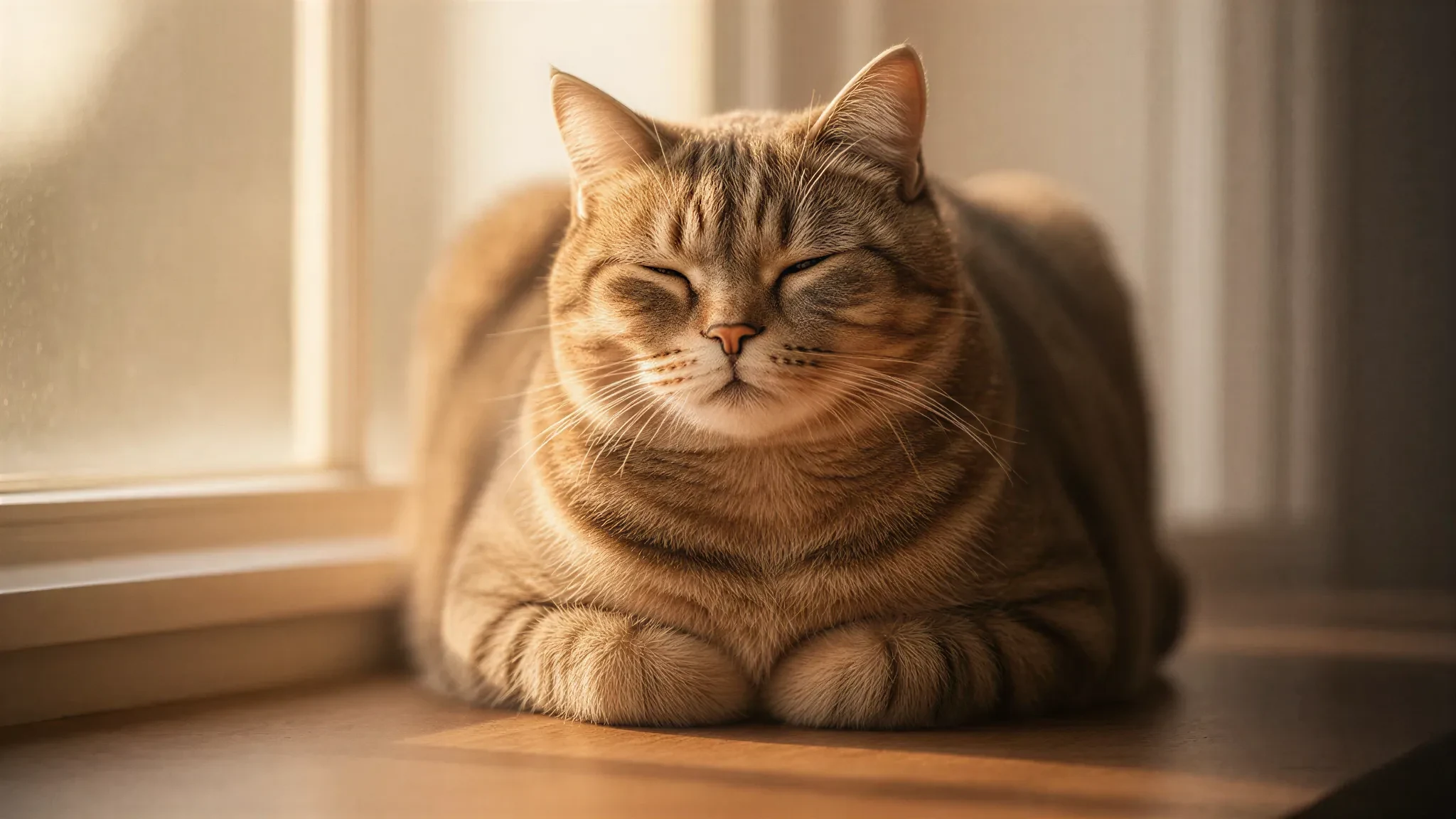
Cats don’t say much out loud, but they’re constantly talking with their bodies — the way they fold up, where they point their ears, what their tail is doing. Once you can read it, you’ll know when your cat is relaxed, when it wants space, and when it’s inviting you in. Here’s what the famous poses actually mean, starting with the most iconic one of all.
The Loaf
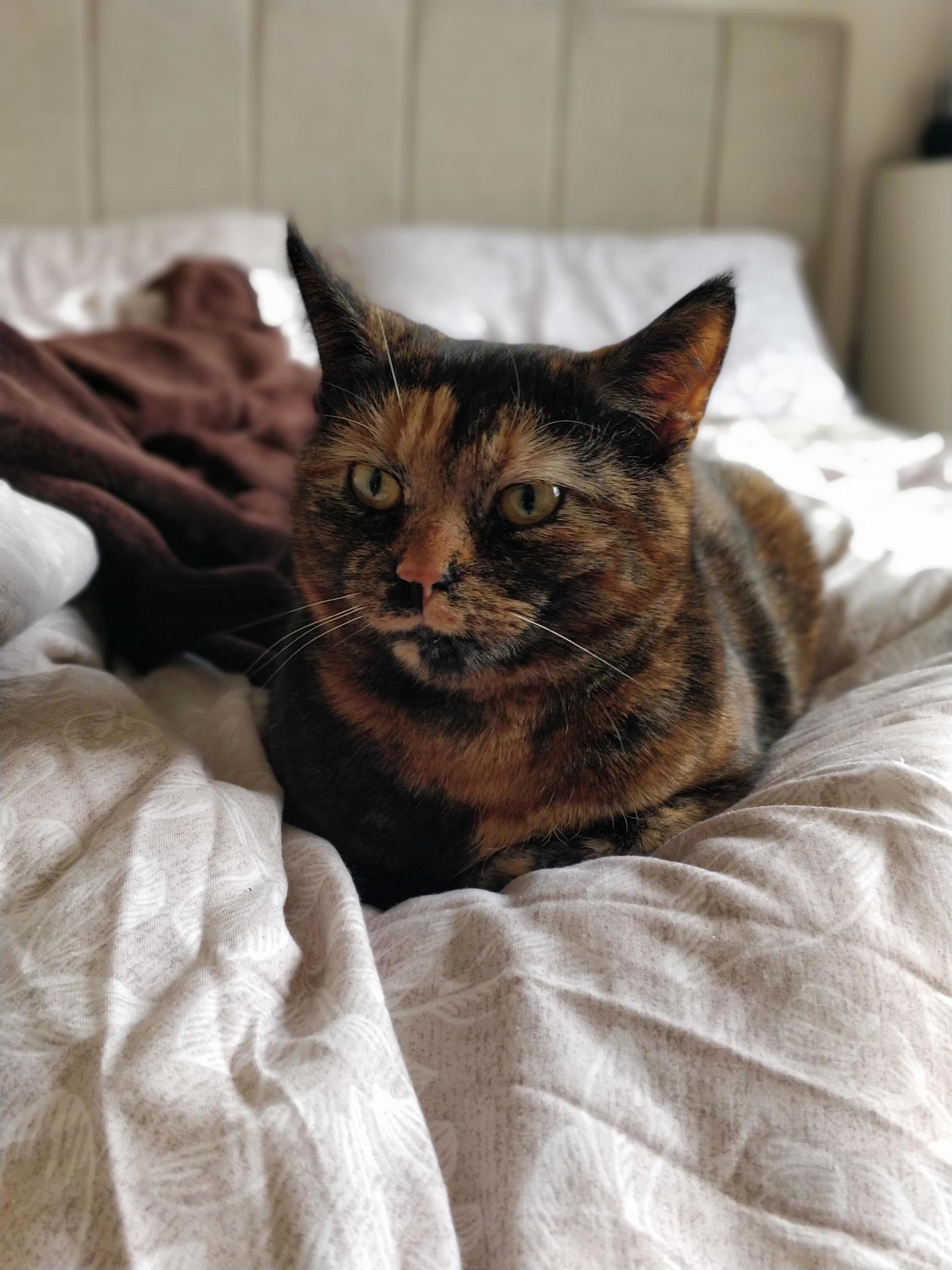
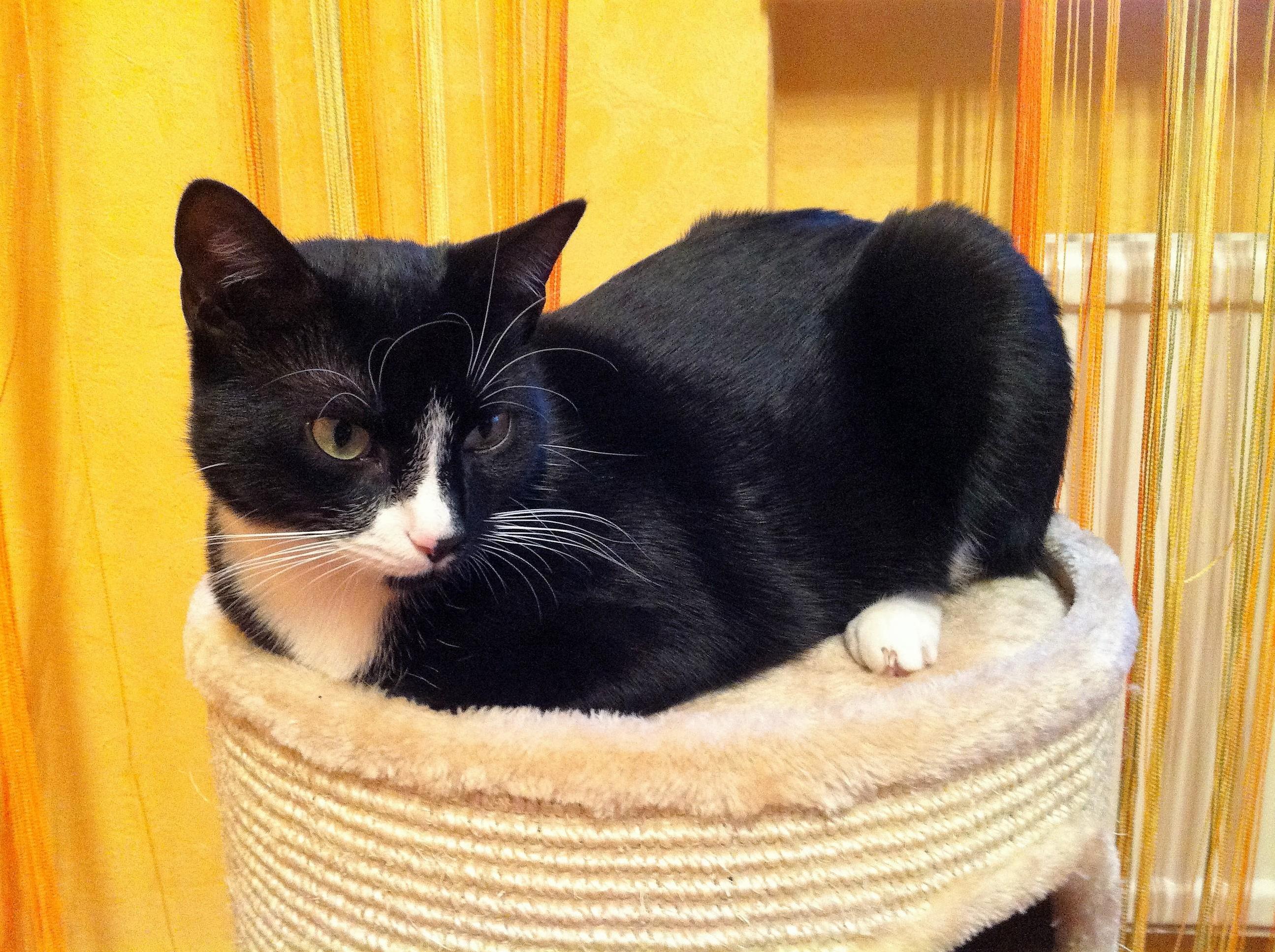
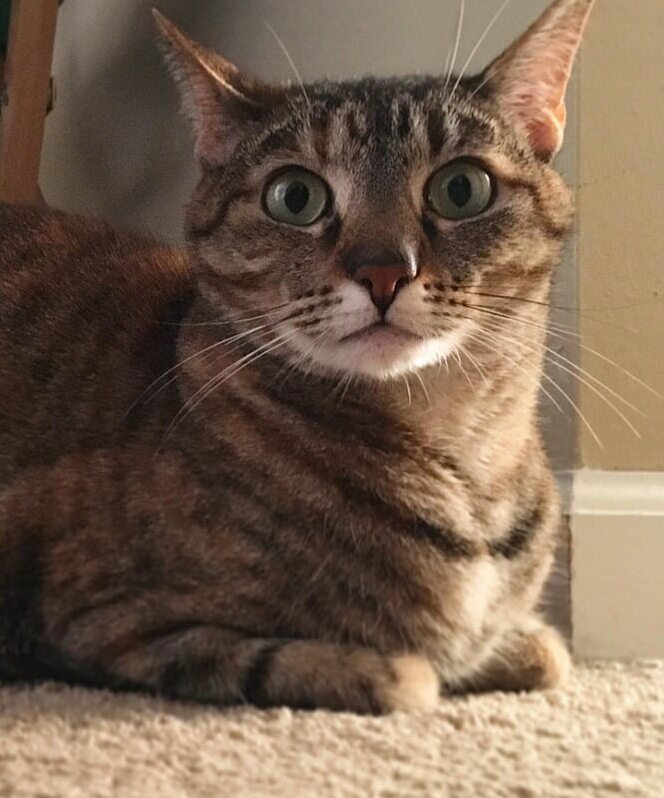
The loaf — paws and tail tucked neatly under the body so the cat looks like a fresh loaf of bread — is one of the most reassuring poses your cat can strike. Tucking the paws away means the cat feels safe enough not to need a quick getaway; it’s settled but still alert, not fully asleep. It also conserves body heat, so you’ll see more loafing when it’s cool. A relaxed loaf is a compliment: your cat is comfortable exactly where it is.
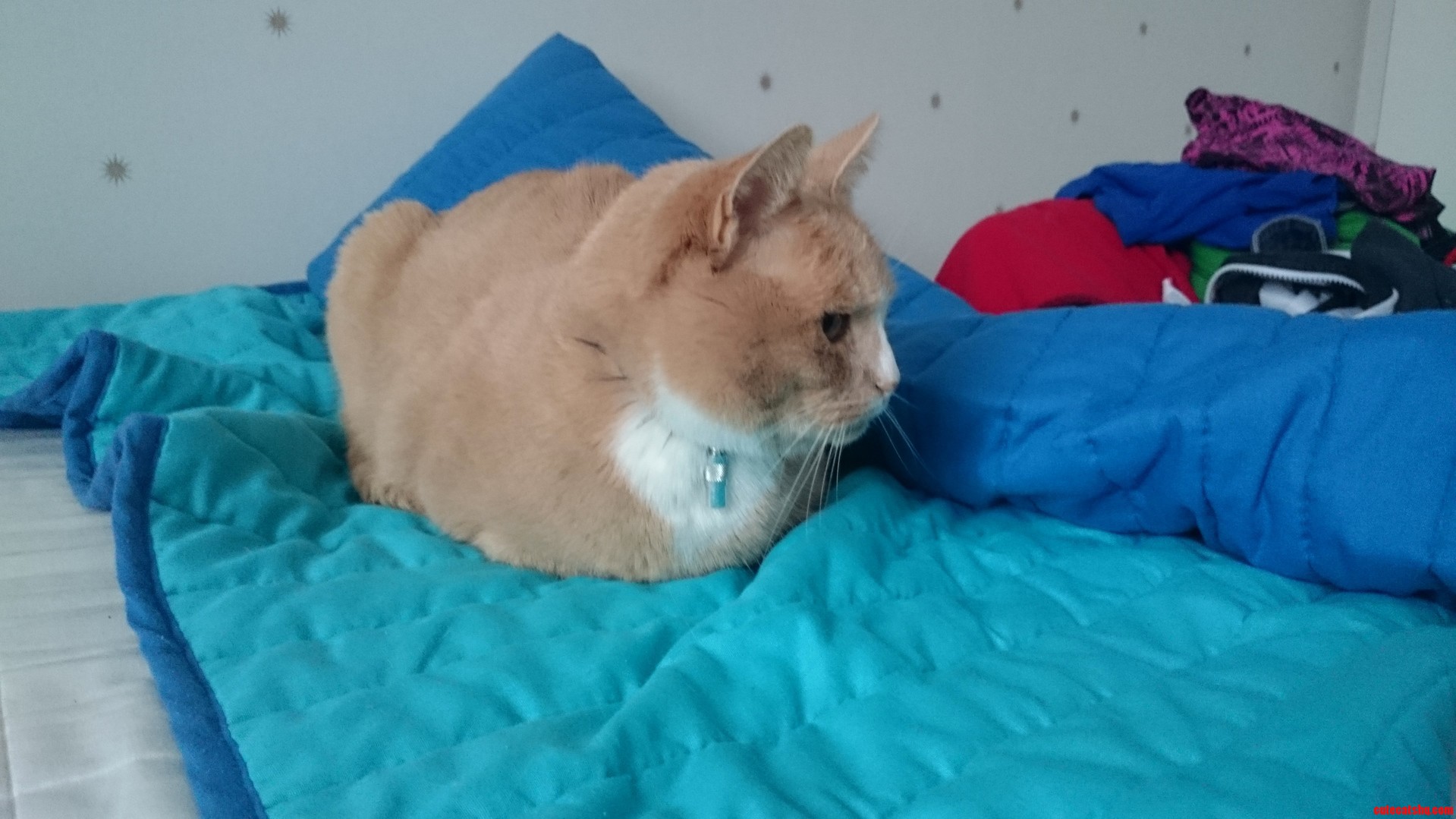
There is one thing worth watching: a cat that suddenly sits in a hunched, tense “loaf” with its eyes half-closed and won’t settle can be signalling discomfort or pain rather than contentment. Context tells you which — a relaxed loaf on a warm windowsill is happy; a tight, withdrawn loaf in a corner from a cat that’s off its food is worth a vet check.
The Turkey Position
The turkey position — sitting upright with the chest out and front legs straight, a bit like the sphinx — is an alert, engaged pose. The cat is comfortable but paying attention, often watching birds, you, or something across the room. It’s the posture of a cat that’s relaxed but ready to get involved.
Belly-Up
Rolling over to show you the belly is the ultimate sign of trust. The belly is a cat’s most vulnerable spot, and exposing it means your cat feels completely safe. Important caveat, though: it is usually not an invitation for a belly rub. Most cats show you the belly as a display of trust and then reflexively grab your hand if you actually touch it. Admire, don’t rub — unless your particular cat has proven otherwise.
Tail Talk
The tail is your cat’s clearest signal flag:
- Straight up, tip curved — a happy, confident greeting. The feline equivalent of a wave.
- Quivering upright tail — excitement, often when you come home.
- Puffed up (bottle-brush) — startled or threatened; the cat is trying to look bigger.
- Tucked under the body — fear or submission.
- Swishing or thumping — irritation or overstimulation. When the tail starts lashing, give the cat space.
Ears and Eyes
- Ears forward — curious, content, engaged.
- Ears swivelled out to the sides (“airplane ears”) — irritated or overstimulated. Time to back off.
- Ears flat back — fear or defensiveness.
- Slow blink — the “cat kiss.” A slow, lazy blink is a sign of affection and trust — and you can slow-blink back to return the sentiment.
Reading the Whole Cat
The trick with cat body language is never to read one signal alone. A cat with wide eyes and forward ears mid-play is excited; the same wide eyes with flattened ears and a lashing tail is a cat asking for space. Put the tail, ears, eyes, and posture together and your cat becomes surprisingly easy to understand.
Frequently Asked Questions
What does it mean when a cat sits in a loaf?
The loaf — paws tucked under the body — means a cat is relaxed and feels safe, since it’s not keeping its feet ready to flee. It also conserves heat. A tense, hunched loaf from an unwell cat is the exception and is worth a vet check.
Why does my cat show me its belly?
Exposing the belly is a sign of deep trust, because it’s a cat’s most vulnerable area. It usually isn’t a request for a belly rub, though — many cats will grab your hand if you touch it.
What do airplane ears mean?
Ears rotated out to the sides (“airplane ears”) signal that a cat is irritated or overstimulated. It’s a request for space, not a happy sign.
For more, see funny cat faces, cat sleeping positions, and cat tail language.